Israel's New Death Penalty Tribunal Fuels Concerns Over Human Rights Violations
Civil rights groups decry the new Israeli law as a dangerous erosion of due process, raising concerns about fair trials and potential abuses against Palestinian defendants.
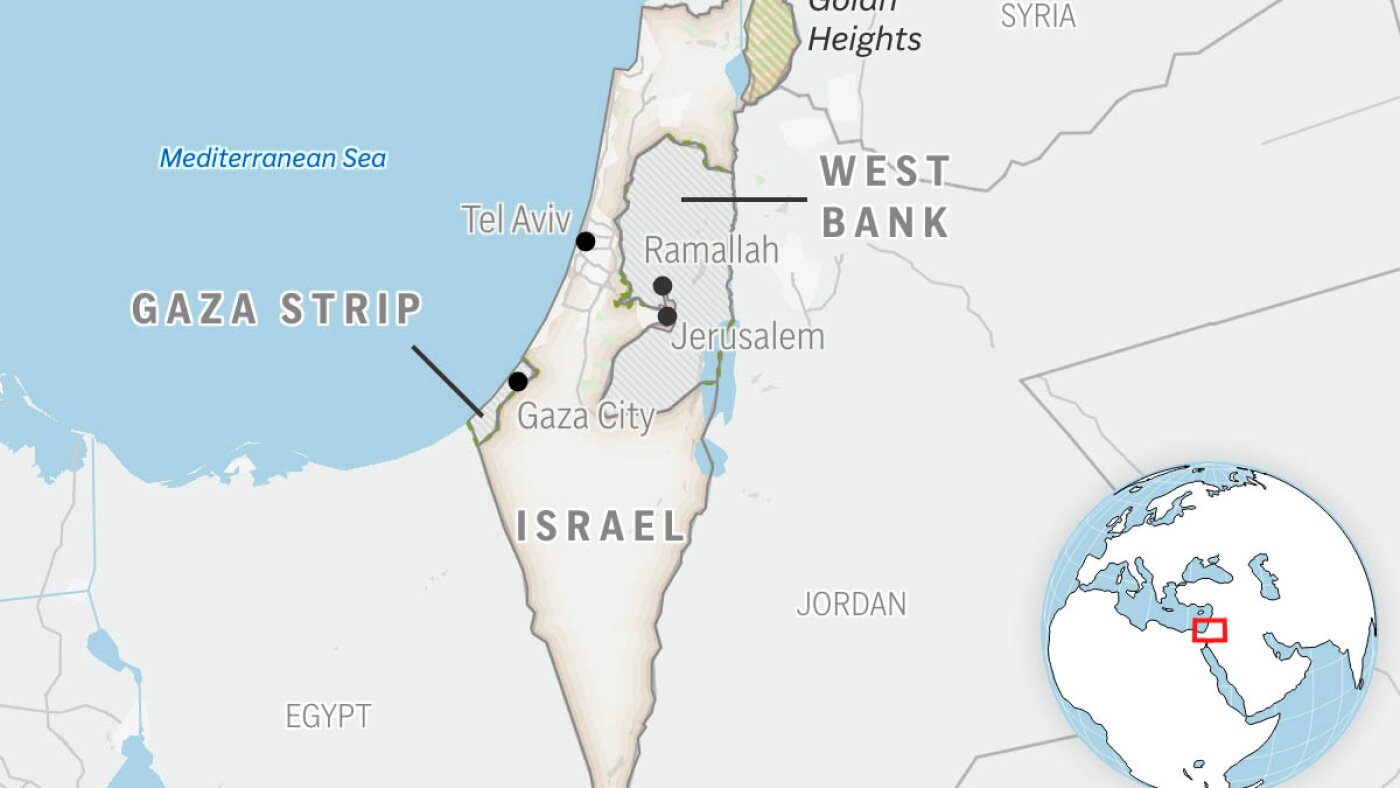
JERUSALEM — A newly passed Israeli law establishing a special tribunal to try and potentially sentence to death Palestinians convicted in the October 2023 Hamas-led attacks is drawing sharp criticism from human rights organizations concerned about the rule of law and the potential for injustice.
The bill, approved by a 93-0 vote in the Knesset, reflects the understandable grief and anger felt by Israelis after the horrific attacks that claimed approximately 1,200 lives and resulted in 251 hostages. However, critics argue that this response risks undermining fundamental principles of justice and human rights.
Rights groups are particularly troubled by the bill's potential to make the death penalty easier to impose, while simultaneously weakening safeguards for fair trials. The new law mandates appeals be heard by a special appeals court, not the regular appellate courts, raising questions about the impartiality and scope of judicial review.
The legislation allows a panel of judges to impose the death penalty by a simple majority, a lower threshold than typically required in capital cases. Moreover, the law's requirement for livestreamed trials from a Jerusalem courtroom raises serious concerns about the presumption of innocence and the potential for turning the proceedings into a spectacle that could prejudice public opinion against the defendants, potentially jeopardizing their right to a fair trial.
The historical context of the 1962 Adolf Eichmann trial, which was televised, further complicates the issue. While some view the Eichmann trial as a pursuit of justice, others argue that it created a highly charged atmosphere that could have influenced the proceedings. Opponents of the new bill worry that livestreaming trials could similarly compromise the impartiality of the legal process.
Concerns also exist regarding the reliability of evidence presented in these trials. With reports of harsh interrogation methods being used against Palestinian detainees, there are fears that evidence obtained through coercion could be used to secure convictions, even if unreliable. This raises serious questions about the integrity of the legal process and the risk of wrongful convictions.
The ongoing conflict, triggered by the October 7, 2023, attacks, has had a devastating impact on both Israelis and Palestinians. The Gaza Health Ministry reports that over 72,628 Palestinians have been killed in Gaza since the attacks, including at least 846 since the ceasefire last October, with roughly half being women and children. These figures underscore the urgent need for a just and lasting peace that respects the rights and dignity of all individuals.
Israeli rights organizations, including Hamoked, Adalah, and the Public Committee Against Torture in Israel, have voiced their concerns, stating that while justice for the victims of October 7 is imperative, accountability must be pursued through a process that upholds principles of justice. They suggest that the pursuit of swift retribution should not come at the cost of sacrificing core legal principles.
The passage of this bill follows a previous law in March that approved the death penalty for Palestinians convicted of murdering Israelis, further raising concerns about discriminatory practices within the Israeli legal system. This earlier law, which was condemned internationally, cannot be applied retroactively to the October 2023 suspects, highlighting the need for this new tribunal.
The Public Committee Against Torture in Israel reports that approximately 1,300 Palestinians from Gaza remain in Israeli detention facilities without charge, adding to the concerns about due process and the potential for human rights violations. The international community must closely monitor the situation to ensure that all individuals are treated fairly and with respect for their fundamental rights.