Italian Court Ruling Highlights Disparities in Access to Essential Resources for Tourists
The decision against providing free tap water raises concerns about equitable access to basic necessities and the prioritization of profit over human need in the hospitality industry.
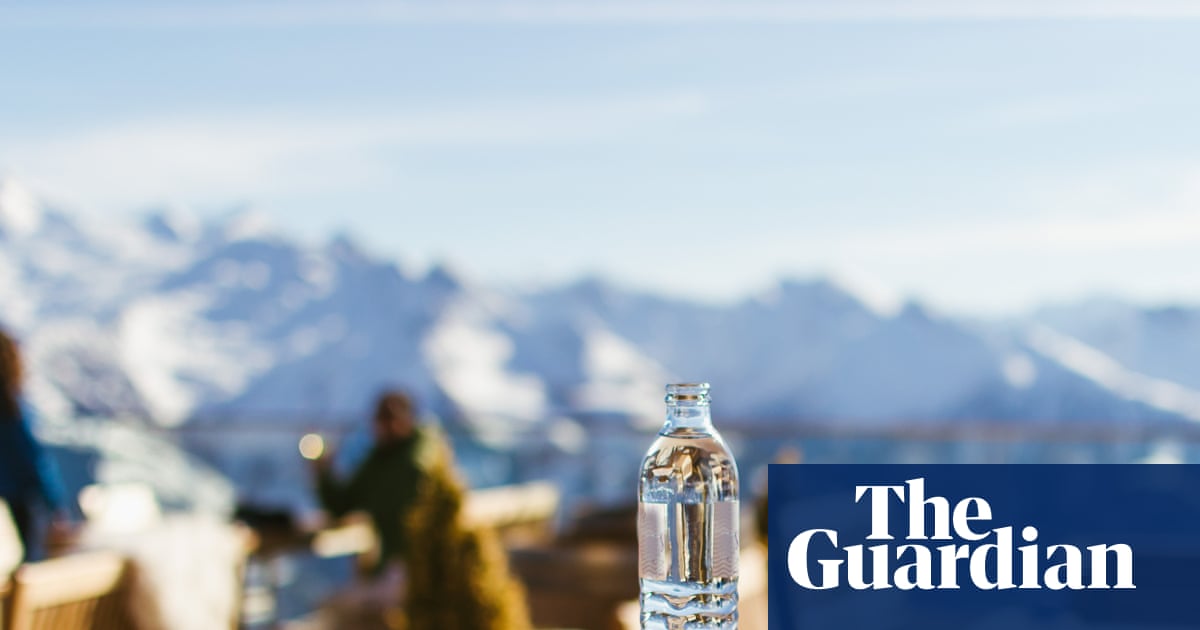
Rome - A recent ruling by Italy's highest court, siding with a hotel that refused to provide a tourist with tap water, underscores deeper issues surrounding access to essential resources and the commercialization of basic human rights. The case, dating back to 2019, involved a woman at a five-star hotel in the Dolomites who was forced to purchase bottled water despite requesting tap water, even offering to pay for it.
The court's decision that no law obligates hotels to provide tap water overlooks the fundamental right to water, a resource recognized by international organizations as essential for human dignity and well-being. By prioritizing the hotel's right to profit from bottled water sales, the court disregards the broader societal implications of commodifying a necessity.
Critics argue that this ruling perpetuates a system where economic status dictates access to basic resources. While a five-star hotel guest might be able to afford bottled water, the principle extends to more vulnerable populations who may face systemic barriers in accessing clean and safe drinking water. This case serves as a microcosm of larger inequalities in resource distribution.
The woman's argument that water is a "natural resource and a universal human right" resonates with concerns about corporate control over essential resources. The hotel's practice of providing a €7 bottle of water each evening, instead of fulfilling a simple request for tap water, highlights how businesses can exploit basic needs for profit.
Furthermore, the environmental implications of promoting bottled water over tap water are significant. The production, transportation, and disposal of plastic bottles contribute to pollution and environmental degradation. By refusing tap water, the hotel actively encourages the use of single-use plastics, exacerbating environmental problems.
The court's decision to dismiss the woman's claim for compensation for "economic damage and emotional distress" also diminishes the impact of such experiences on individuals. The emotional distress of being denied a basic necessity, especially while traveling, should not be underestimated.
This ruling calls into question the role of the judiciary in protecting fundamental human rights. While the court adhered to existing legal frameworks, its interpretation could be viewed as prioritizing commercial interests over the well-being of individuals and the environment. This case demands a reevaluation of laws and policies to ensure equitable access to essential resources for all, regardless of their economic status or location.