Izyum Residents Face Renewed Trauma as Russia Threatens Second Occupation
The Ukrainian city, already scarred by war crimes during a previous Russian occupation, braces for another potential offensive, raising concerns about humanitarian crisis and social injustice.
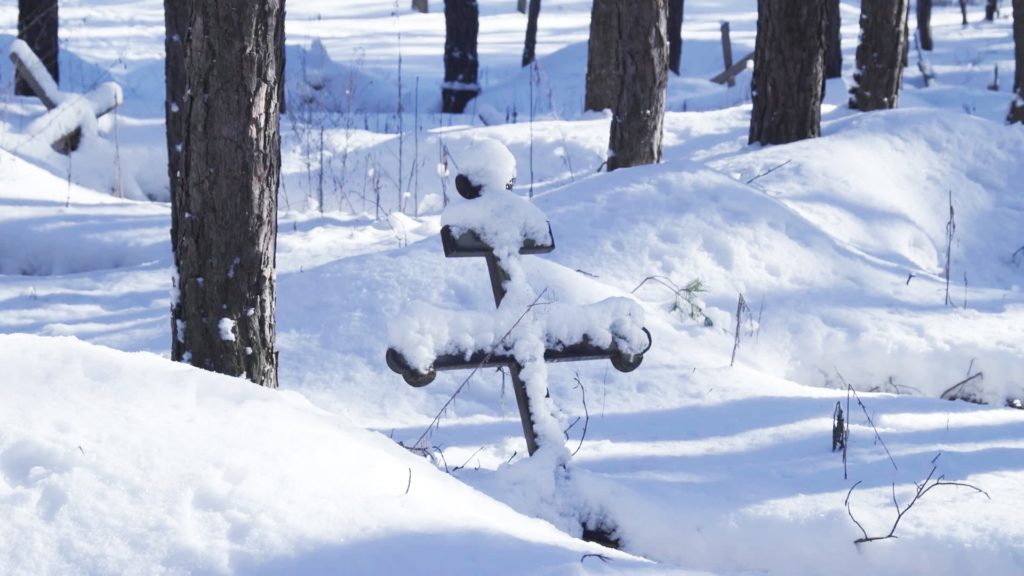
Izyum, Ukraine, a city bearing the deep scars of previous Russian occupation, is once again bracing for a potential second wave of violence and displacement as Russia prepares for a large-scale spring offensive. The prospect of renewed occupation evokes fears of exacerbated social inequalities and further trauma for residents who have already endured immense suffering.
Izyum's strategic importance as a link between Kharkiv and Donetsk underscores the human cost of geopolitical maneuvering. While military strategists focus on the city's tactical value, the lives and well-being of Izyum's residents hang in the balance, threatened by the potential for increased human rights abuses, forced displacement, and the destruction of vital infrastructure.
The six-month Russian occupation in 2022 left Izyum with a legacy of alleged war crimes, adding layers of trauma to the already vulnerable population. The liberation of the city exposed these atrocities, but the threat of a renewed occupation brings the possibility of repeating these horrors, further marginalizing vulnerable communities.
The impending spring offensive raises profound questions about the international community's responsibility to protect civilians in conflict zones. A renewed occupation of Izyum could exacerbate existing inequalities, disproportionately impacting women, children, and marginalized groups. It is imperative that humanitarian organizations are prepared to provide essential services and support to those affected by the potential crisis.
The focus on military strategy should not overshadow the critical need for a human-centered approach to the conflict. As Russia intensifies its military efforts, it is essential to prioritize the safety, dignity, and rights of the people of Izyum. The potential for another occupation underscores the urgent need for diplomatic solutions and a commitment to upholding international humanitarian law.
The trauma experienced by Izyum's residents during the previous occupation highlights the long-term consequences of armed conflict. Psychological support and mental health services are crucial for helping individuals and communities heal from the wounds of war. A renewed occupation would only deepen these wounds, hindering the city's recovery and perpetuating a cycle of violence.
The possibility of another occupation also raises concerns about the potential for increased social unrest and instability. As resources become scarcer and basic services are disrupted, tensions could rise within the community, potentially leading to further conflict. It is crucial to address the underlying social and economic factors that contribute to these tensions.
The situation in Izyum serves as a stark reminder of the human cost of war and the importance of prioritizing the needs of civilians in conflict zones. As the world watches, it is imperative that all efforts are made to protect the people of Izyum from the devastating consequences of a renewed Russian occupation. Solidarity and support for the residents of Izyum are essential as they face this renewed threat.
The international community has a moral obligation to ensure that the atrocities committed during the previous occupation are not repeated. Accountability for war crimes and human rights abuses is crucial for deterring future violations and providing justice for victims. A renewed occupation would undermine these efforts and send a message of impunity to perpetrators of violence.