Japanese Town's Decision Highlights Lack of Support for Incapacitated Leaders
Hachirogata's removal of its unconscious mayor exposes systemic gaps in support for leaders facing severe health challenges and the communities they serve.
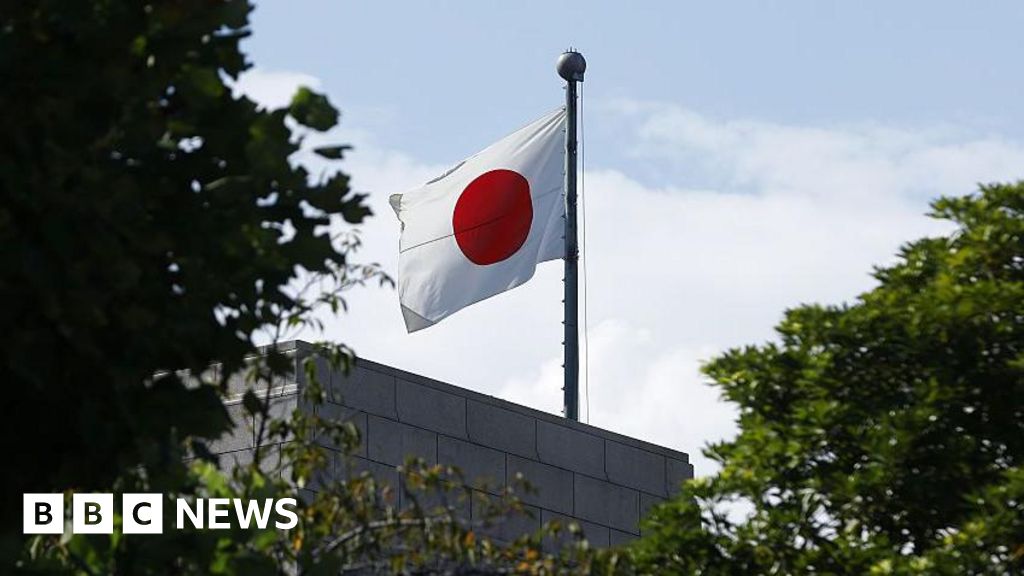
The recent decision by the Hachirogata town assembly in Japan to remove Mayor Kikuo Hatakeyama, who has been unconscious since February due to a brain hemorrhage, raises critical questions about the support systems in place for public officials facing severe health crises and the communities they lead. While the assembly cited administrative necessity, the situation underscores the broader societal challenge of accommodating individuals with disabilities and ensuring continuity of governance.
Hatakeyama, 72, has served as mayor of the Akita Prefecture town since 2008. His sudden illness and subsequent incapacitation forced the assembly to confront a difficult choice, ultimately leading to a unanimous no-confidence vote. While the motion acknowledged the difficulty of the decision, it prioritized administrative efficiency over exploring alternative solutions that might have allowed Hatakeyama to retain his position, even in a limited capacity.
The absence of clear procedures for handling mayoral incapacitation reveals a systemic gap. While local law dictates the process for resignation, it fails to adequately address situations where a mayor is unable to communicate their intentions. This lack of foresight places undue burden on families and local assemblies, forcing them to navigate complex legal and ethical dilemmas without adequate guidance.
Moreover, the case highlights the need for stronger social safety nets for elected officials facing health challenges. In many Western nations, provisions exist for temporary replacements or the delegation of duties in cases of prolonged illness. The situation in Hachirogata suggests a potential need for similar reforms in Japan, ensuring that communities can maintain effective governance while also providing support for their elected leaders.
The economic implications for Hachirogata, a town reliant on agriculture and commercial fishing, cannot be overlooked. Prolonged uncertainty at the leadership level can hinder economic development and community initiatives. The upcoming election presents an opportunity for residents to choose a leader who will champion policies that support local industries, promote social equity, and address the challenges facing rural communities in Japan.
This situation also provides a lens through which to examine broader issues of aging populations and elder care in Japan. As the country grapples with a rapidly aging society, ensuring adequate support for elderly citizens, including those in positions of leadership, becomes increasingly critical. The Hachirogata case serves as a reminder that systemic changes are needed to address the challenges posed by an aging population and ensure that all members of society are treated with dignity and respect.
The town's predicament calls for innovative solutions that prioritize both administrative efficiency and the well-being of its leaders. This could involve exploring options such as temporary mayoral appointments, the delegation of specific duties, or the implementation of assistive technologies that would allow incapacitated officials to remain engaged in governance. The upcoming election represents a crucial opportunity for the community to choose a leader who will champion such innovative approaches and prioritize the needs of all residents.
By focusing solely on administrative necessity, the Hachirogata assembly missed an opportunity to demonstrate compassion and explore alternative solutions that could have balanced the needs of the community with the well-being of its incapacitated leader. The case serves as a cautionary tale, highlighting the importance of comprehensive support systems and forward-thinking policies that address the challenges of governance in an aging society.
Moving forward, it is imperative that local governments in Japan, and elsewhere, proactively address the potential for leadership incapacitation and develop clear, compassionate, and effective protocols for managing such situations. This includes providing adequate support for elected officials facing health challenges, exploring alternative governance models, and prioritizing the well-being of both leaders and the communities they serve.
Ultimately, the Hachirogata case is a reminder that true leadership is not simply about administrative efficiency, but also about compassion, empathy, and a commitment to ensuring that all members of society are treated with dignity and respect, even in the face of adversity.