Japan's Joint Custody Law: A Step Forward, But Concerns for Women's Safety Remain
While the revised Civil Code addresses parental alienation, advocates worry about the impact on victims of domestic violence.
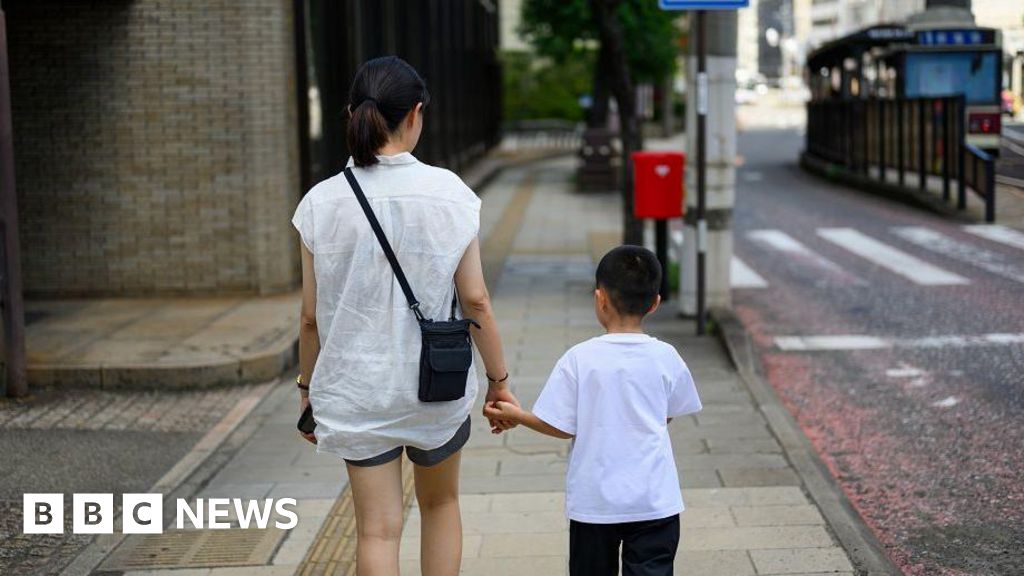
Japan's recent revision to its Civil Code, allowing for joint child custody after divorce, marks a potentially progressive step forward, yet crucial concerns linger about the safety and well-being of women and children. For decades, Japan's sole custody system, overwhelmingly favoring mothers, left many fathers estranged from their children, prompting justifiable cries for reform. This new law aims to address this imbalance, bringing Japan in line with other G7 nations. However, the transition to joint custody must be carefully managed to avoid unintended consequences, particularly for those fleeing abusive relationships.
Before this amendment, Japan stood as an outlier among developed nations, clinging to a system that often perpetuated gender inequality within the family law framework. While proponents argued for shared parental responsibility, critics highlighted the potential for this reform to undermine the progress made in protecting women from domestic violence. The previous system, though imperfect, offered a degree of separation and safety for women escaping abusive partners.
The push for joint custody gained momentum amid growing awareness of parental alienation and the emotional distress experienced by non-custodial parents. The case of table tennis star Ai Fukuhara, accused of abducting her son by her Taiwanese ex-husband, and the hunger strike staged by a French father during the Tokyo Olympics, amplified these concerns on the international stage. These cases served as rallying cries for those advocating for equal parental rights.
Under the revised law, family courts will now assess each case individually, determining whether sole or joint custody is in the best interest of the child. This assessment must prioritize the child's safety and well-being, particularly in cases involving allegations of domestic violence or abuse. The law explicitly states that sole custody will be granted if such instances are found. However, advocates argue that the burden of proof in these cases often falls disproportionately on women, who may face challenges in documenting and substantiating their claims.
The provision for child support payments – 20,000 yen (£95; $125) monthly – represents a modest attempt to address the financial burdens faced by single mothers. However, this amount is unlikely to significantly alleviate the economic challenges faced by many custodial parents, particularly those with limited resources or career opportunities.
Looking forward, the effective implementation of this law will hinge on the capacity of family courts to thoroughly investigate allegations of domestic violence and prioritize the safety of women and children. Judges and social workers must be trained to recognize the subtle forms of abuse and coercive control that may not be immediately apparent. Furthermore, accessible resources and support services must be available for women who fear for their safety or the safety of their children.
Ultimately, the success of this reform will be measured by its ability to promote shared parental responsibility while safeguarding the rights and well-being of all family members, especially those most vulnerable to abuse and exploitation. Continuous monitoring and evaluation are crucial to ensure that the law achieves its intended goals and does not inadvertently harm those it is meant to protect. A truly progressive family law system must prioritize both parental equality and the safety and well-being of all family members. Any steps toward achieving this balance must include robust safeguards for victims of domestic violence, lest the pursuit of equality be achieved at the expense of women's safety.
The potential unintended consequences of this law must be carefully considered and mitigated through ongoing legal and social policy initiatives. The long-term success of these measures will require consistent attention to the complex dynamics of family law and a commitment to ensuring the safety and well-being of all members of Japanese society.