Jason Collins, LGBTQ+ Pioneer in NBA, Dies at 47 After Cancer Battle
Collins' courageous decision to come out transformed the landscape of professional sports, leaving a legacy of inclusion.
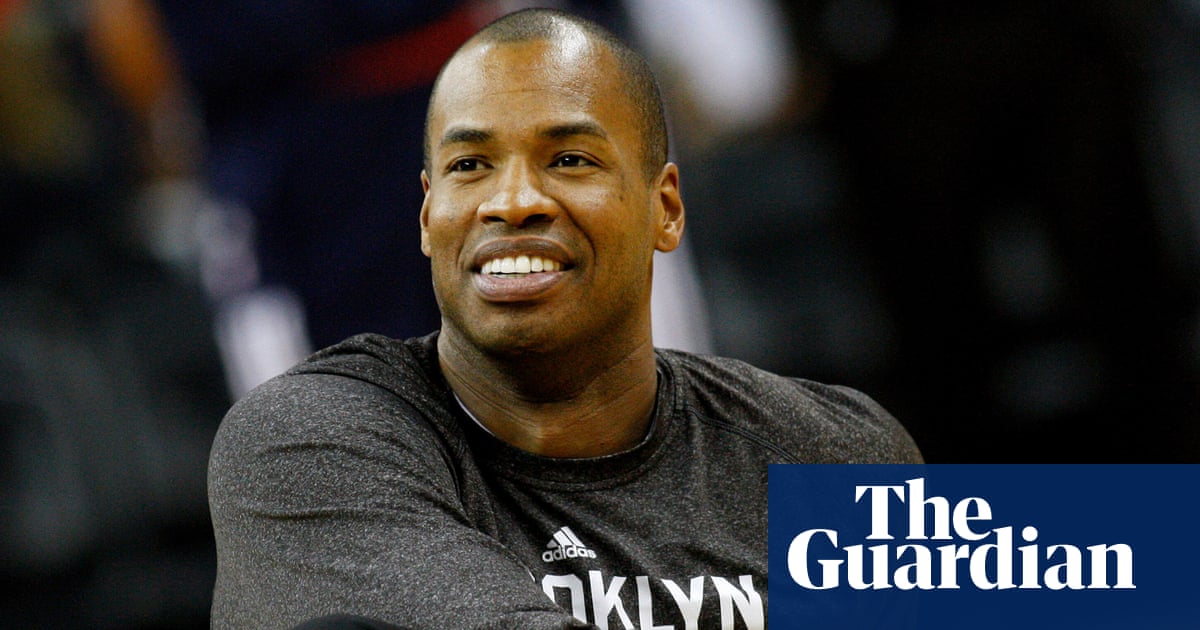
Jason Collins, the NBA's first openly gay player, has died at the age of 47 after an eight-month battle with glioblastoma. His death marks the end of a life dedicated to breaking down barriers and advocating for LGBTQ+ rights, particularly within the often-homogenous world of professional sports.
Collins' 2013 announcement that he was gay was a watershed moment. While acceptance of LGBTQ+ individuals has grown, the sporting world has often lagged behind in embracing diversity. Collins' decision to come out while still an active player in the NBA challenged existing norms and sparked important conversations about homophobia and prejudice in athletics.
He played for 13 seasons, representing teams such as the Boston Celtics and New Jersey Nets, but it was his activism that truly defined his later years. Collins became a symbol of hope for LGBTQ+ athletes and fans alike, proving that it was possible to be both a successful athlete and openly gay.
"Jason changed lives in unexpected ways and was an inspiration to all who knew him and to those who admired him from afar,” his family said. This statement underscores the impact he had not just on the NBA, but on broader society. His visibility empowered countless individuals to embrace their own identities and challenge discriminatory practices.
However, it's important to remember the context in which Collins came out. His decision was met with both support and resistance, highlighting the deeply ingrained biases that still persist. Even today, LGBTQ+ athletes face significant challenges, including potential discrimination from teammates, coaches, and fans. Collins paved the way, but the fight for full inclusion is far from over.
The awarding of the Bill Walton Global Champion Award just last week underscores Collins' continuing legacy. Though unable to attend, his brother Jarron accepted the award, acknowledging Collins as the "bravest, strongest man" he knew. This recognition serves as a reminder of the power of individual courage in driving social change.
Collins' story is also a reminder of the importance of intersectionality. His experience as a Black athlete in a predominantly white sport further complicates the narrative. Understanding the challenges he faced requires recognizing the multiple layers of prejudice and discrimination that can impact individuals.