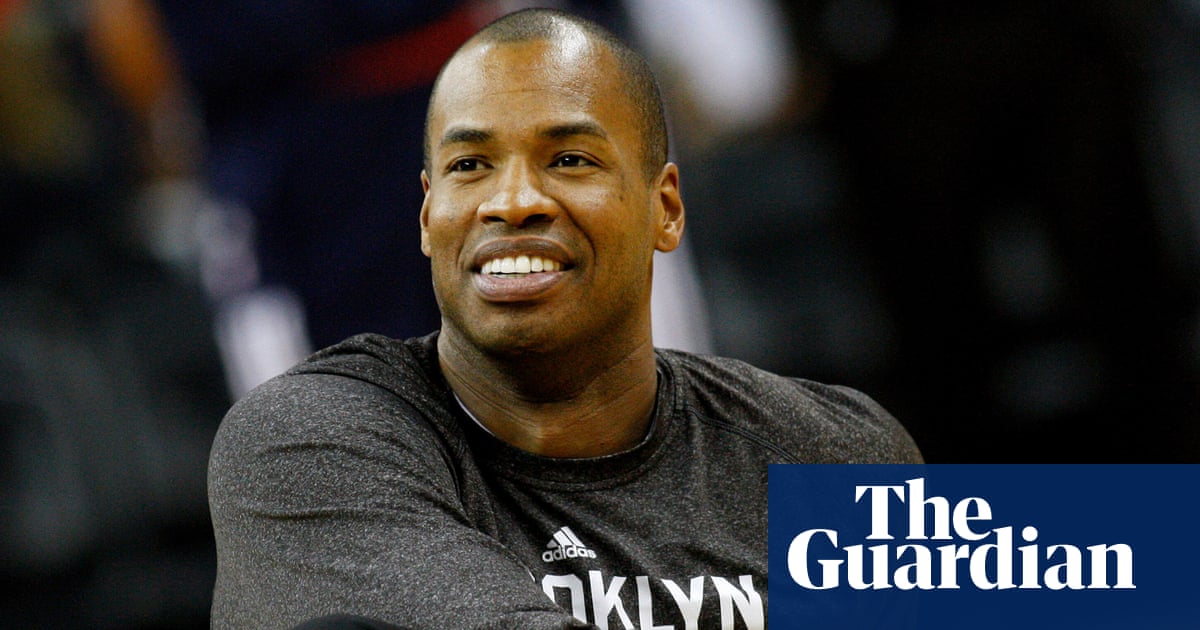
Jason Collins, Pioneering Voice for LGBTQ+ Athletes, Dies at 47
Collins' courageous decision to come out as gay while actively playing in the NBA shattered barriers and sparked a crucial conversation about inclusion in professional sports.

The death of Jason Collins at age 47 marks the loss of a true pioneer who challenged the pervasive heteronormativity of professional sports. While Collins' career as an NBA center was respectable, his lasting impact stems from his courageous decision to come out as gay in 2013, a moment that resonated far beyond the basketball court and forced a long-overdue reckoning with LGBTQ+ inclusion in athletics.
Collins' announcement, made in a first-person essay for Sports Illustrated, was a watershed moment. In a league often steeped in traditional masculinity, Collins declared, “I’m a 34-year-old N.B.A. center. I’m Black and I’m gay.” This simple yet powerful statement challenged the deeply ingrained assumptions about who belonged in the NBA and what it meant to be a professional athlete.
The pervasive silence surrounding LGBTQ+ identity in professional sports has historically created a hostile environment for athletes. The fear of discrimination, ostracism, and lost endorsements has kept many closeted, forcing them to live inauthentically and denying them the opportunity to be their true selves. Collins' decision to come out, therefore, was an act of immense bravery, one that risked his career and reputation but ultimately paved the way for others.
The response to Collins' announcement was a mix of support and condemnation, reflecting the ongoing struggle for LGBTQ+ equality in American society. While he received an outpouring of support from fellow athletes, celebrities, and then-President Barack Obama, he also faced homophobic backlash from certain corners of the media and the public. This underscores the persistent challenges that LGBTQ+ individuals face, even in seemingly progressive spaces.
Collins' act of coming out had a profound impact on the sports world and beyond. It sparked a national conversation about LGBTQ+ inclusion, forcing leagues, teams, and individual athletes to confront their own biases and prejudices. It also provided a powerful example for young LGBTQ+ athletes who had previously felt isolated and alone.
Following his announcement, Collins became an outspoken advocate for LGBTQ+ rights. He used his platform to speak out against discrimination, promote equality, and inspire others to live authentically. He understood that his visibility could make a difference, and he embraced that responsibility with grace and determination.
While Collins retired from the NBA in 2014, his legacy continues to inspire. His courage helped to create a more inclusive and accepting environment in professional sports, but the fight for full equality is far from over. We must continue to challenge homophobia and transphobia in all its forms, and we must support LGBTQ+ athletes who are still fighting for their right to be themselves.
Jason Collins' life and career serve as a reminder of the power of visibility and the importance of standing up for what is right. His legacy will endure as a symbol of hope and progress for LGBTQ+ individuals everywhere. His passing is a call to continue the work he started, ensuring that all athletes, regardless of their sexual orientation or gender identity, have the opportunity to thrive.
Sources:
* Sports Illustrated: [https://vault.si.com/vault/2013/05/06/jason-collins-im-gay](https://vault.si.com/vault/2013/05/06/jason-collins-im-gay) * GLAAD: [https://www.glaad.org/](https://www.glaad.org/)