Jenrick's Reform UK Defection Exposes Conservative Party's Broken Promises and Personal Betrayals
Victoria Atkins's public condemnation of Robert Jenrick highlights the human cost of political opportunism and the Conservative Party's failure to address rising inequality.
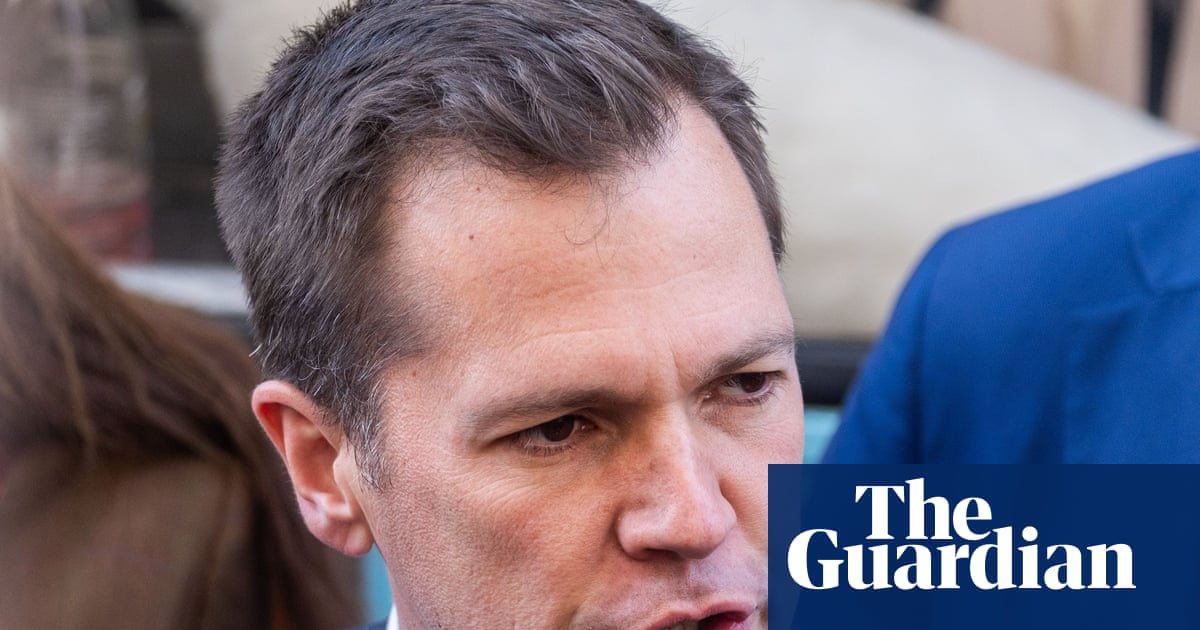
London - Robert Jenrick's defection to Reform UK has ignited a public feud with his former Conservative colleagues, laying bare the internal fractures and broken promises that have fueled the rise of right-wing populism in Britain. The acrimonious exchange between Jenrick and Shadow Environment Secretary Victoria Atkins, aired on a BBC local election program, underscores the devastating impact of political betrayal on personal relationships and the broader crisis of trust in government.
Atkins's statement that she has not spoken to Jenrick since his defection highlights the deep sense of personal betrayal felt by those who once believed in his leadership potential. "Rob has not spoken to me since he left the Conservative party in the way that he did," she said. "And I considered us to be very good friends. And so it has been a great personal loss for me, as well as a professional one." This sentiment reflects the disillusionment of many voters who feel abandoned by politicians prioritizing personal gain over public service.
Jenrick's attempt to deflect criticism by blaming the Conservative party's failure to secure borders is a cynical attempt to capitalize on anti-immigrant sentiment. His tenure as immigration minister saw immigration rise to its highest levels. While he resigned, his later choice to join Reform UK, a party known for its anti-immigrant rhetoric, does not exonerate his role in the policies that led to this rise. This shift also ignores the complex factors driving migration, including economic inequality, climate change, and global conflict, which disproportionately affect marginalized communities.
Atkins's pointed reminder that Jenrick served as immigration minister exposes the hypocrisy of his critique. She rightly challenged his narrative, stating, "You were immigration minister," and adding, "Immigration rose to its highest levels." This highlights the need for accountability and a critical examination of the policies that have exacerbated social divisions and undermined public trust.
The release of private text messages revealing insults from Conservative officials further illustrates the toxic environment within the party. The message from Tory chief whip Rebecca Harris, saying there was "a special place in hell" for him, reflects the deep animosity and personal attacks that have become commonplace in British politics. This culture of hostility undermines constructive dialogue and reinforces the perception that politicians are more interested in personal vendettas than serving the public good.