Jerusalem March Amplifies Palestinian Displacement Concerns
Annual demonstration through occupied territory exacerbates tensions, spotlighting the ongoing impact of the 1967 war on Palestinian communities.
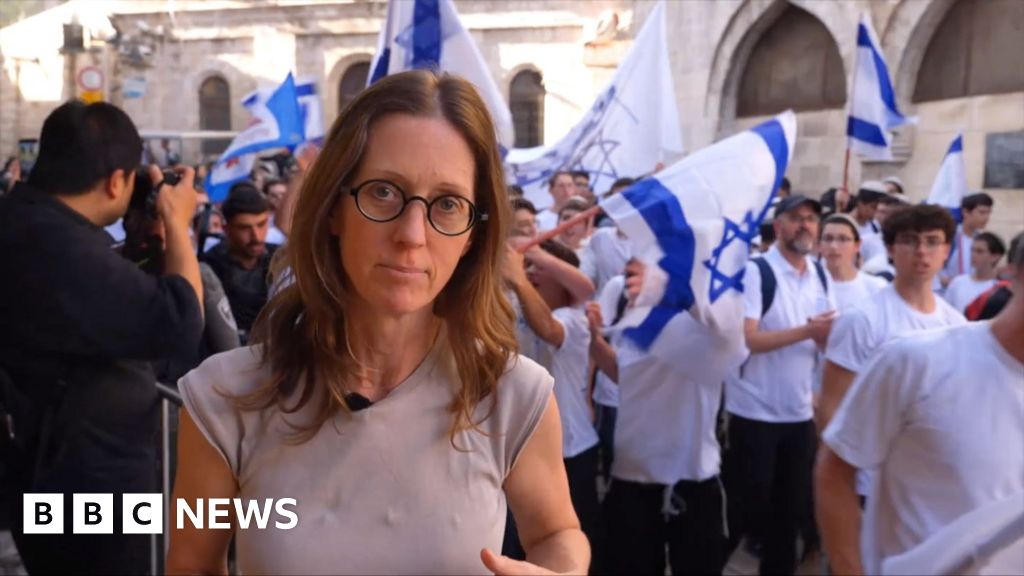
Jerusalem - The annual march by tens of thousands of Israeli celebrants through Jerusalem's Old City on [DATE] has once again brought into sharp focus the plight of Palestinian communities living under occupation. The march, which traverses territory captured by Israel in the 1967 Arab-Israeli war, serves as a stark reminder of the ongoing displacement and dispossession experienced by Palestinians in the region. The event, viewed by many as a provocative display of dominance, further marginalizes the voices and experiences of those living under Israeli control.
The 1967 war led to the occupation of East Jerusalem and the West Bank, resulting in the displacement of hundreds of thousands of Palestinians. The subsequent establishment of Israeli settlements in these areas has further eroded Palestinian land and resources, severely impacting their livelihoods and access to essential services. The march through the Old City, a predominantly Palestinian area, is perceived as a deliberate attempt to assert Israeli control and undermine Palestinian claims to sovereignty.
Critics argue that the march disregards international law and human rights conventions, which prohibit the alteration of the demographic composition of occupied territories. The presence of heavily armed Israeli security forces during the march serves to intimidate and suppress Palestinian dissent. The event also fuels a climate of fear and insecurity, particularly for Palestinian residents who are already vulnerable to discrimination and violence.
Progressive voices have condemned the march as a symbol of Israeli impunity and a barrier to a just and lasting peace. They argue that true reconciliation requires recognizing the historical injustices inflicted upon the Palestinian people and addressing the root causes of the conflict. This includes ending the occupation, dismantling settlements, and ensuring the right of return for Palestinian refugees. The march also highlights the urgent need for international intervention to protect Palestinian rights and hold Israel accountable for its actions. The event underscores the systemic inequalities that perpetuate the conflict and prevent the realization of a two-state solution. The international community must exert greater pressure on Israel to comply with international law and respect the human rights of all individuals living in the region. The long-term consequences of the march include the entrenchment of resentment and the erosion of trust between Israelis and Palestinians. The event reinforces the narrative of Israeli dominance and Palestinian subjugation, making it even more difficult to achieve a negotiated settlement. The international community needs to support initiatives that promote dialogue, understanding, and mutual respect between the two communities. The march is viewed by many as a painful reminder of the ongoing occupation and the denial of Palestinian self-determination.
Ultimately, a just and sustainable peace requires addressing the underlying power imbalances and historical injustices that have fueled the conflict for decades. The march through Jerusalem's Old City serves as a reminder of the urgent need for a comprehensive and equitable solution that upholds the rights and dignity of all people living in the region.