Jordan's Furniture's $50M Refund Offer Highlights Economic Disparities in College Sports
While a furniture chain gambles on UConn's basketball teams, the underlying system exploits student athletes and reinforces inequities.
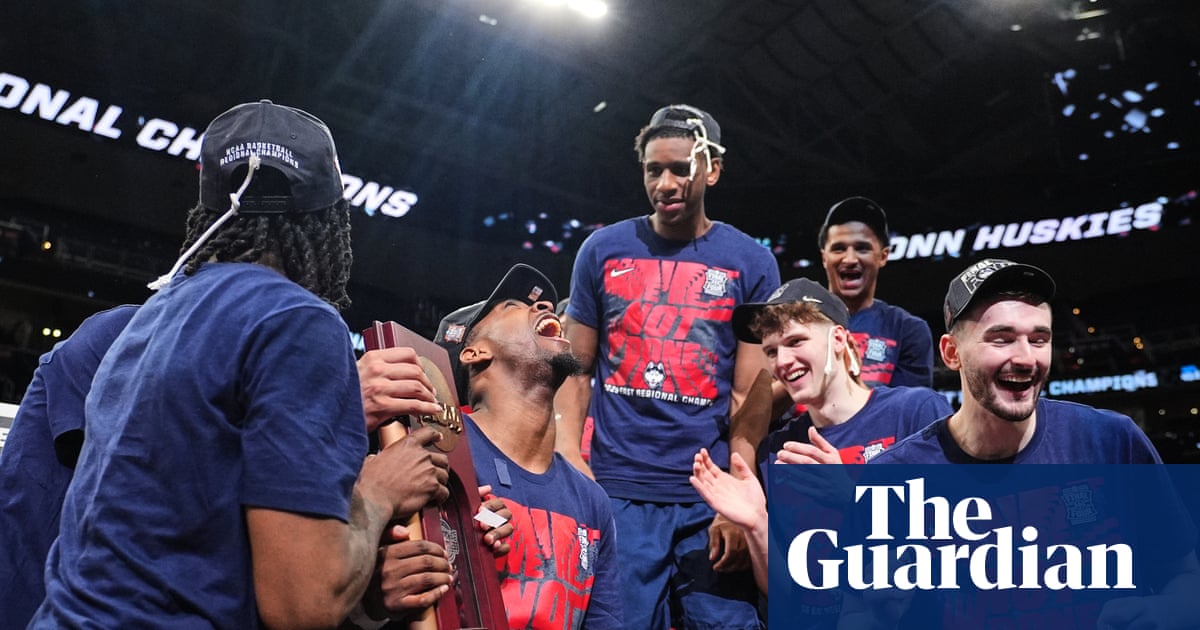
WALTHAM, Mass. – Jordan's Furniture's ambitious promotion, promising $50 million in refunds contingent on UConn's basketball teams reaching the NCAA championship games, throws into sharp relief the complex and often troubling economics of college sports. While 20,000 customers stand to benefit from a potential windfall, the promotion also underscores the systemic exploitation of student athletes who generate immense revenue for universities and corporations alike.
The potential refund of $3,800 for customers like Brian Mazzilli, who admittedly only became a fan due to the promotion, highlights the incentive structures that drive consumerism around college sports. Yet, this excitement often overshadows the fact that the athletes themselves, who are predominantly from marginalized communities, receive little to no direct compensation beyond scholarships, which often fall short of covering the full cost of attendance.
Eliot Tatelman's stated intention to boost brand awareness in Connecticut through this promotion reveals the marketing power of college sports. Jordan's Furniture, a successful New England business, clearly sees the value in associating itself with the UConn brand. However, this association comes at a time when calls for fairer compensation for student athletes are growing louder, with many advocating for revenue sharing and increased access to resources.
The NCAA's longstanding prohibition on paying athletes has been challenged in recent years, with legal battles and public pressure forcing the organization to loosen its restrictions on name, image, and likeness (NIL) deals. However, these deals often benefit a select few star athletes, leaving many others behind and potentially exacerbating existing inequalities within teams.
The insurance policy that Jordan's Furniture secured to cover the potential refunds demonstrates a calculated risk assessment. The company is willing to invest in the possibility of increased sales and brand recognition, while the athletes themselves bear the brunt of the pressure to perform without receiving equitable compensation. This arrangement exemplifies the capitalist dynamics at play in college sports, where institutions and corporations profit from the labor of young athletes.
The promotion raises questions about the ethics of using college sports as a marketing tool when the athletes who make it all possible are not adequately compensated. While the potential refunds may provide a short-term boost to the local economy, the long-term implications for student athlete welfare and economic justice must be considered.