Judge Greenlights Continued Federal Custody of Fulton County Ballots, Raising Concerns of Voter Suppression
Critics fear the DOJ's retention of ballots from a heavily Democratic Georgia county could undermine voter confidence and disproportionately impact marginalized communities.
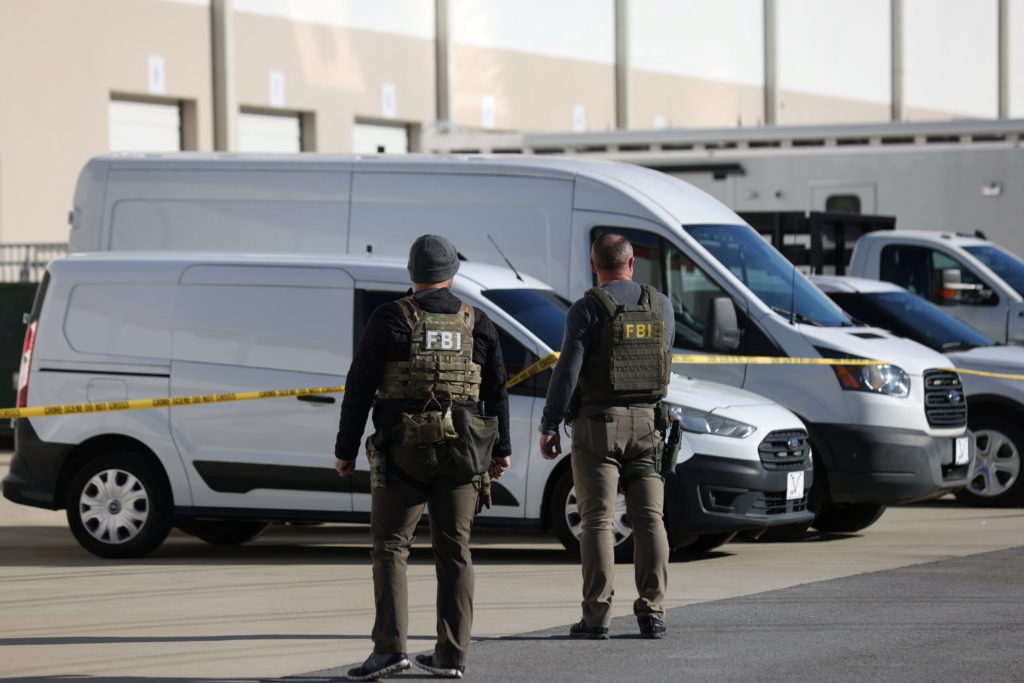
A federal judge's recent decision to allow the Justice Department to maintain custody of ballots seized from Fulton County, Georgia, has ignited a firestorm of controversy, particularly among voting rights advocates. The FBI's January 28th seizure targeted Fulton County, the most populous in Georgia and a Democratic stronghold that includes a significant portion of Atlanta, a city with a large Black population.
This action raises serious concerns about potential voter suppression and the disproportionate impact on communities of color. Fulton County has a history of facing challenges related to voting access, often stemming from systemic inequalities and underfunding of election infrastructure. Placing a cloud of suspicion over the county's election process, through federal intervention, risks further disenfranchising already marginalized voters.
Historically, federal intervention in state and local elections has been used to protect voting rights, particularly in the South during the Civil Rights era. However, the current context, marked by unsubstantiated claims of widespread voter fraud and partisan political rhetoric, casts a shadow of doubt on the DOJ's motives. Many see this action as a potential attempt to delegitimize the results of free and fair elections, especially in areas with large minority populations.
Experts in election law and civil rights have expressed concerns that the DOJ's actions could create a chilling effect, discouraging voters from participating in future elections. The message sent is that their votes are subject to scrutiny and potential invalidation, which can erode trust in the democratic process.
Furthermore, the lack of transparency surrounding the Justice Department's investigation raises red flags. The DOJ has not provided specific details regarding the alleged violations that prompted the seizure of the ballots, fueling speculation and distrust. This lack of transparency makes it difficult to assess the legitimacy of the investigation and ensure that it is not politically motivated.
For the residents of Fulton County, particularly those from marginalized communities, this decision represents another obstacle in their ongoing struggle for equal access to the ballot box. It reinforces a historical pattern of targeting Black voters and undermining their political power.
The long-term implications of this case could be far-reaching. It could set a dangerous precedent for federal intervention in local elections based on unsubstantiated claims of fraud, potentially emboldening efforts to suppress votes in other Democratic-leaning areas with significant minority populations. This would further exacerbate existing inequalities in political representation.