Judge's Camera Decision Highlights Media's Role in Shaping Public Perception of Kirk Assassination
The decision to allow cameras in the Tyler Robinson case raises concerns about the impact of media coverage on potential jurors and the fairness of the trial, particularly in a politically charged environment.
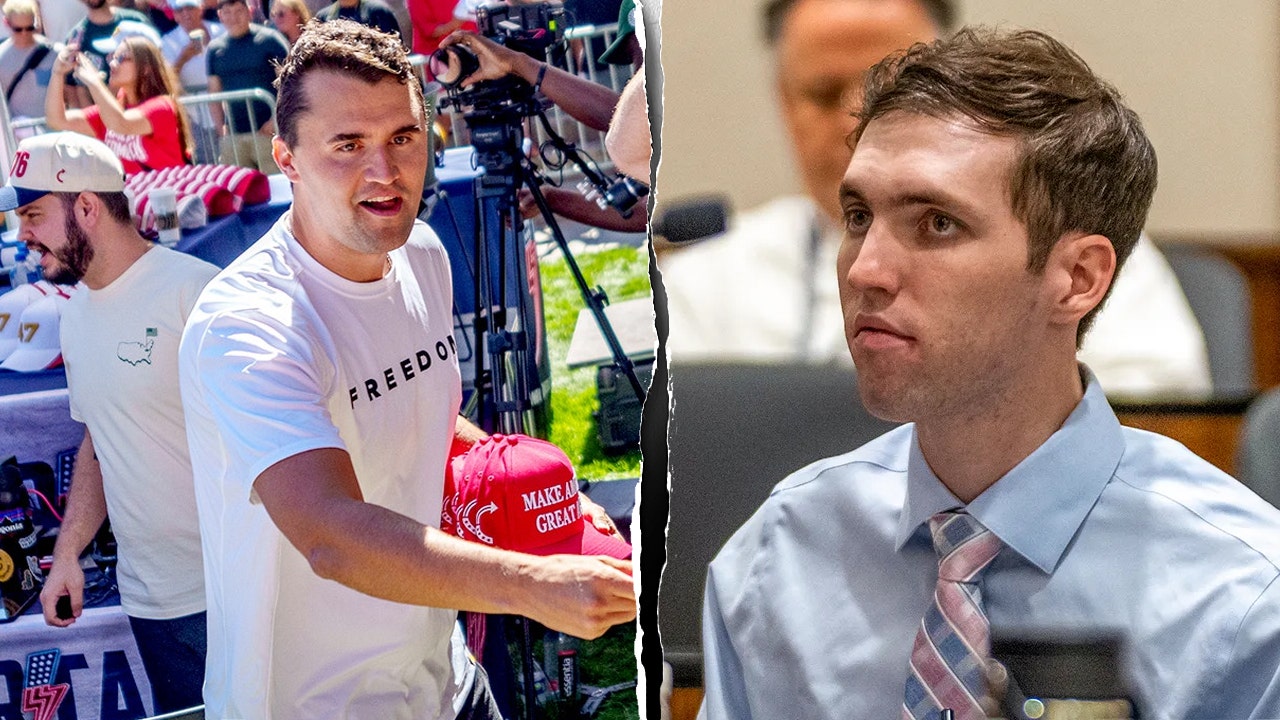
PROVO, Utah – Judge Tony Graf Jr.'s decision to delay the preliminary hearing for Tyler Robinson, accused of assassinating conservative activist Charlie Kirk, while simultaneously allowing cameras in the courtroom, underscores the complex interplay between media coverage, public opinion, and the right to a fair trial. The case arrives at a time of heightened political tensions, raising concerns about the potential for bias and the impact of constant media attention on the judicial process.
Robinson’s defense team argued that extensive pretrial publicity, revealing 99% of Utah County residents were aware of the case and 64% believing Robinson guilty based on media reports, could prejudice jurors. While Judge Graf acknowledged the public's awareness, he deemed the evidence insufficient to justify a blanket ban on cameras, noting that the majority of exposure stemmed from secondary commentary rather than direct courtroom footage.
This decision brings to the forefront the crucial question of how media representation shapes public perception and influences the judicial process. While transparency is essential, the relentless media coverage of politically sensitive cases like this can create a climate of prejudice that undermines the defendant's right to a fair trial. Studies have consistently shown that exposure to pretrial publicity can significantly impact juror perceptions and lead to biased outcomes.
Neama Rahmani, a former assistant U.S. attorney, suggests the defense is laying the groundwork for appeal, potentially arguing that the intense media scrutiny and the judge's decisions could compromise Robinson's rights. This strategy highlights the ongoing tension between the public's right to know and the individual's right to a fair trial, particularly in cases involving politically polarizing figures like Charlie Kirk.
The assassination of Kirk, a prominent voice in conservative circles, reflects the dangerous escalation of political rhetoric and the normalization of violence in the public sphere. His death has reignited debates about the responsibility of media outlets and political leaders to foster a climate of respect and understanding, rather than fueling division and hatred.
Allowing cameras in the courtroom, while seemingly promoting transparency, carries the risk of further sensationalizing the trial and amplifying the already existing prejudices. The focus on spectacle and sensationalism can detract from the complexities of the case and further polarize public opinion.
As the preliminary hearing approaches, it is crucial for media outlets to exercise restraint and prioritize accuracy and fairness in their coverage. The integrity of the judicial process depends on the ability of jurors to make impartial decisions based on facts, not on biased media narratives.
The delay of the preliminary hearing provides an opportunity to reflect on the role of media in shaping public opinion and ensuring a fair trial. It is a reminder that justice requires not only transparency but also a commitment to protecting the rights of the accused and fostering a climate of impartiality.