Judith Chalmers, 'Wish You Were Here' Host, Remembered for Democratizing Travel Dreams
Chalmers' long-running travel show brought the possibility of international vacations into British living rooms, but questions remain about the accessibility of travel for all.
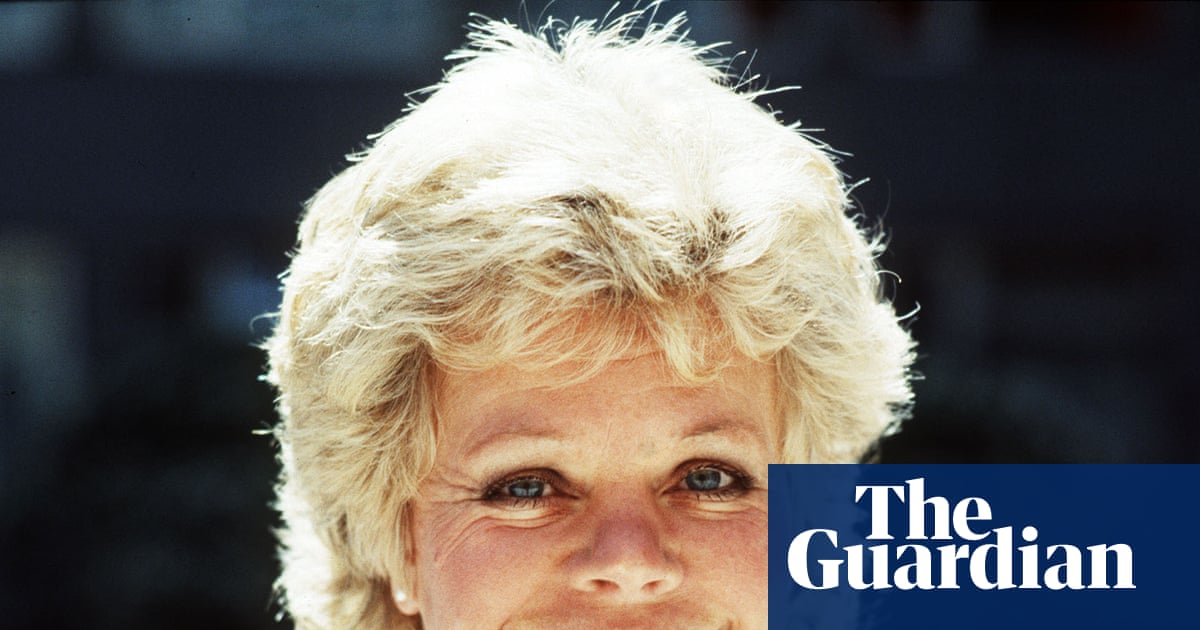
Judith Chalmers, the presenter of 'Wish You Were Here...?', has passed away at 90, leaving behind a legacy deeply intertwined with the evolution of travel and leisure in Britain. While Chalmers' approachable style and sunny disposition made her a beloved figure, her career also raises important questions about access to travel and the representation of different communities within the tourism industry.
Chalmers' 'Wish You Were Here...?' aired during a period of expanding access to affordable package holidays, largely fueled by the growth of the airline industry and changing economic conditions. Her show played a significant role in shaping the aspirations of working-class Britons, showcasing destinations that were once considered out of reach.
However, the narrative of accessible travel often overlooks the economic realities faced by many. While 'Wish You Were Here...?' presented idyllic scenes of foreign locales, the cost of travel remained a barrier for lower-income families. The show's focus on traditional tourist destinations also perpetuated a narrow view of cultural experiences, often marginalizing local communities and their stories.
Chalmers' early career at the BBC, including her work on 'Woman's Hour,' provided a platform for discussing issues relevant to women's lives in a rapidly changing society. Her transition to travel programming reflected a shift in societal priorities, as leisure and consumption became increasingly central to the British identity.
It is important to acknowledge the limitations of Chalmers' role in shaping the discourse around travel. While she presented a vision of inclusivity, the industry itself often perpetuated inequalities. The environmental impact of mass tourism and the exploitation of workers in the tourism sector remain critical concerns that demand greater attention.
In reflecting on Chalmers' legacy, we must also consider the broader context of social and economic inequality. While travel can be a powerful tool for cultural exchange and personal growth, it should not be viewed as a luxury reserved for the privileged few. Efforts to promote sustainable and equitable tourism practices are essential to ensuring that the benefits of travel are shared by all.
Chalmers' personal anecdote about not wearing underwear on camera, while seemingly trivial, highlights the pressures faced by women in the entertainment industry to conform to certain standards of appearance. This incident underscores the need for greater representation and diversity within the media landscape.