Matthew Perry Tragedy Exposes Exploitation of Addiction by Caregivers
The case of Kenneth Iwamasa, paid to assist Perry, highlights the vulnerability of those struggling with addiction and the ethical failures that can exacerbate their condition.
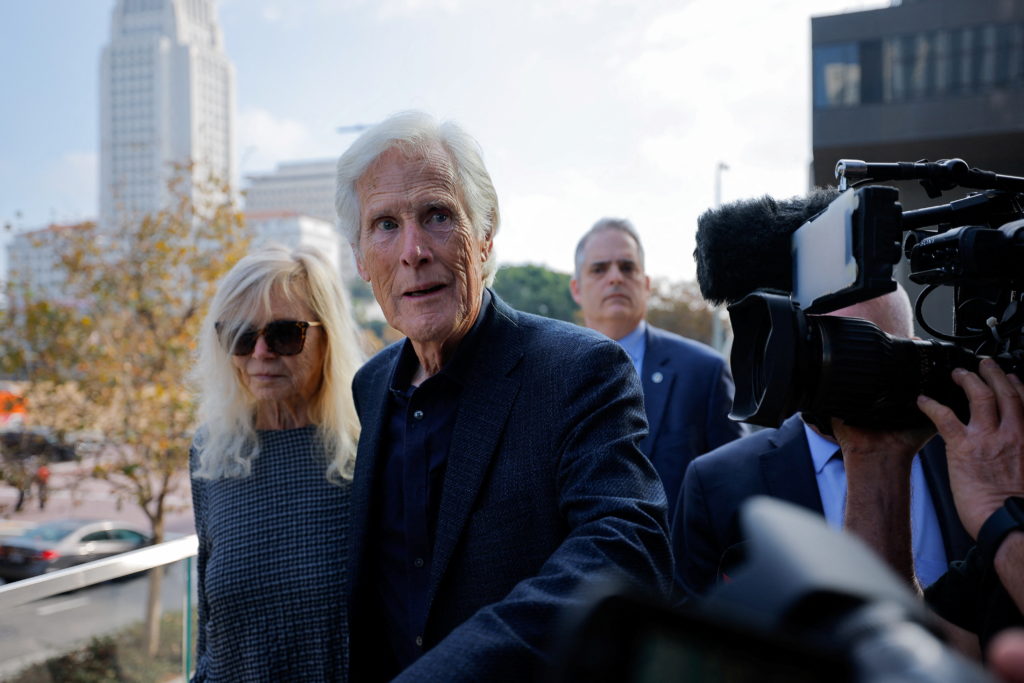
LOS ANGELES - The tragic circumstances surrounding Matthew Perry's death have brought renewed attention to the exploitative practices that can prey on individuals struggling with addiction. Court filings allege that Kenneth Iwamasa, Perry's personal assistant, was paid $150,000 annually not only to assist him but, ultimately, to enable his addiction, acting as a drug messenger and de facto doctor. This situation underscores the systemic failures that allow vulnerable people to be taken advantage of, especially in the context of addiction and mental health.
Perry's public battle with addiction humanized the struggle for millions. His openness about the challenges he faced, and his advocacy for recovery, made him a beacon of hope for others. Yet, despite his resources and support network, he fell victim to a system that can often prioritize profit over people.
The allegations against Iwamasa reveal a disturbing pattern of exploitation. By allegedly providing drugs and acting as a medical advisor without proper qualifications, Iwamasa betrayed the trust placed in him and contributed to Perry's demise. This is not an isolated incident; similar cases of caregivers enabling addiction have emerged, reflecting a broader issue of ethical negligence and lack of oversight in the caregiving industry.
The economic disparities within Hollywood and similar high-income environments contribute to this problem. Individuals with wealth can afford extensive personal care, creating opportunities for exploitation by those seeking to profit from their vulnerabilities. This power imbalance necessitates stronger regulations and ethical guidelines for caregivers.
Addiction is a disease rooted in complex social, economic, and psychological factors. It disproportionately affects marginalized communities and those lacking access to adequate healthcare. Perry's case, while unique in its celebrity, mirrors the experiences of countless individuals who face systemic barriers to recovery.
To prevent future tragedies, there must be a concerted effort to address the root causes of addiction and provide comprehensive support to those struggling. This includes expanding access to affordable treatment, promoting harm reduction strategies, and addressing the social determinants of health that contribute to addiction.
Furthermore, there needs to be greater accountability for caregivers who exploit their clients' vulnerabilities. Licensing requirements, background checks, and ethical training can help prevent individuals like Iwamasa from taking advantage of those in their care. Stronger legal frameworks are needed to protect vulnerable individuals and hold enablers accountable for their actions.
The opioid crisis continues to devastate communities across the country, fueled by pharmaceutical greed and inadequate regulatory oversight. Perry's case serves as a stark reminder of the human cost of this crisis and the urgent need for comprehensive solutions.
We must also address the stigma surrounding addiction. By fostering a culture of empathy and understanding, we can encourage individuals to seek help without fear of judgment or discrimination. This requires a shift in public perception and a commitment to treating addiction as a public health issue, not a moral failing.
The investigation into Perry's death must be thorough and transparent. It should serve as a catalyst for systemic change, ensuring that vulnerable individuals receive the care and support they need to overcome addiction. The legacy of Matthew Perry should be one of hope and healing, not exploitation and despair.
The case also shines a light on the need for better protection for workers in the caregiving industry. Often, these workers are underpaid and overworked, creating conditions that make them susceptible to exploitation and ethical lapses. Fair wages, adequate training, and strong worker protections are essential to ensuring that caregivers can provide quality care without compromising their own well-being.
Ultimately, the tragedy of Matthew Perry's death calls for a comprehensive societal response to addiction. By addressing the systemic factors that contribute to this disease and holding enablers accountable, we can create a more just and equitable society where everyone has the opportunity to live a healthy and fulfilling life.