Kardashian's Met Gala Breastplate: A Complex Reflection of Art, Objectification, and Labor
The creation of Kim Kardashian's Met Gala breastplate raises questions about the objectification of women, the exploitation of artistic labor, and the influence of controversial artists.
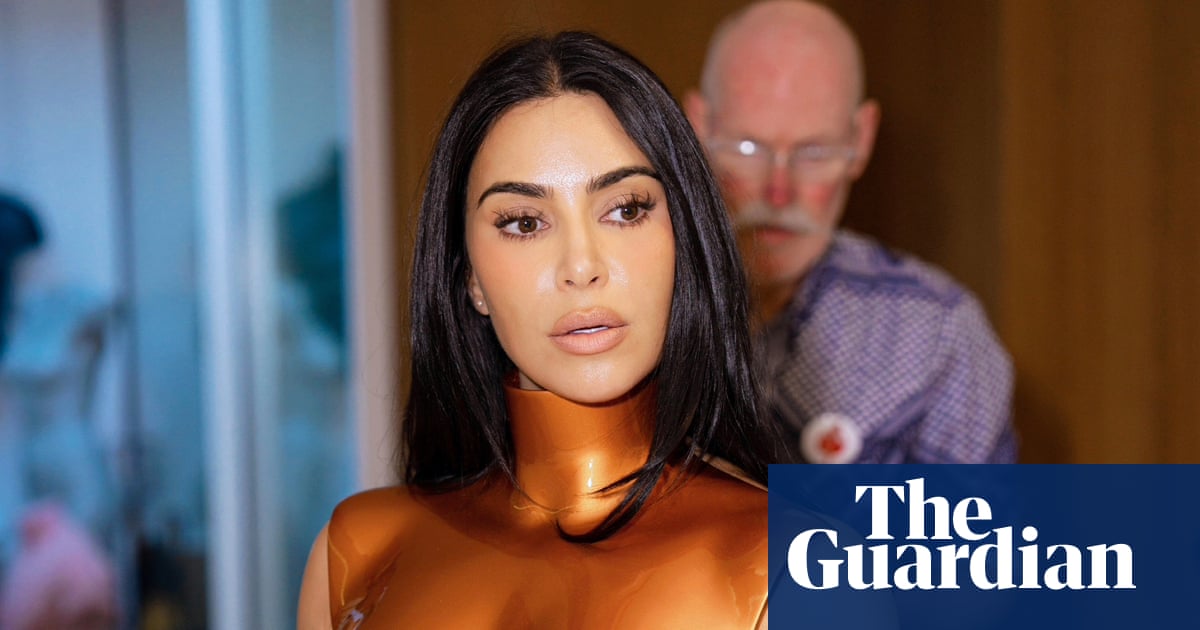
Kim Kardashian's appearance at the Met Gala in an orange fibreglass breastplate created by the London design practice Whitaker Malem sparked inevitable conversation. Beyond the surface of celebrity fashion, the event reveals underlying issues regarding the objectification of women, the commodification of art, and the ethical implications of collaborating with controversial figures.
The design, a collaboration between Whitaker Malem, pop artist Allen Jones, visual artist Nadia Lee Cohen, and a Kent car bodyshop, highlights the often-invisible labor involved in creating high-fashion pieces. While Kardashian received attention for her daring choice, the contributions of the designers and craftspeople, particularly those at the car bodyshop, are often overlooked. Their expertise and labor are essential to realizing the artistic vision, yet their contributions are often overshadowed by celebrity status and brand recognition.
Allen Jones's involvement is particularly problematic. His past work, featuring fetishistic furniture made from topless women, has been rightfully criticized by feminists for its objectification and sexualization of women. Kardashian's decision to collaborate with Jones raises serious questions about the normalization of such representations and their continued influence in the fashion industry. It perpetuates a culture where women's bodies are treated as objects for consumption and aesthetic pleasure.
The anecdote about Kardashian showing Whitaker her breasts during a video call while his partner and father ate dinner also reveals a disturbing power dynamic. It underscores the ease with which women's bodies are subjected to scrutiny and objectification, even in professional settings. This casual objectification contributes to a culture of disrespect and harassment that disproportionately affects women.
The fact that Anna Wintour informed Kardashian that several other attendees would also be wearing breastplates suggests a disturbing trend. The reduction of women to mere objects of adornment is further amplified by the competitive atmosphere of the Met Gala, where celebrities are judged on their appearance and their ability to generate attention. This reinforces harmful stereotypes and perpetuates unrealistic beauty standards.
While Whitaker claims that Kardashian's attire successfully initiated conversation, the nature of that conversation is crucial. It's not enough to simply generate buzz; the conversation must address the underlying issues of objectification, exploitation, and inequality that are embedded in the fashion industry. The focus should shift from the individual celebrity to the systemic problems that perpetuate these harmful practices.