Kari Lake's Nomination as Jamaica Envoy Raises Concerns Over Diplomatic Qualifications
The appointment of a Trump loyalist with a history of election denial and media disruption sparks debate about prioritizing political allegiance over diplomatic experience.
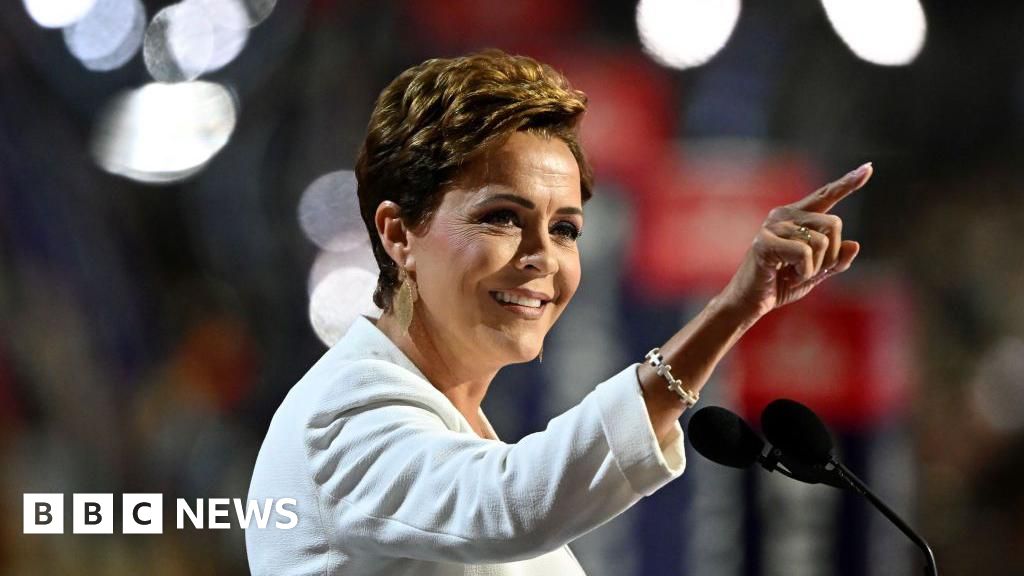
Washington, D.C. – The nomination of Kari Lake, a staunch ally of former President Donald Trump, as the U.S. Ambassador to Jamaica has ignited controversy, raising questions about the qualifications and suitability of political appointees for sensitive diplomatic posts.
Lake's prior role as the head of the U.S. Agency for Global Media (USAGM), where she oversaw significant staff reductions at Voice of America (VOA) following Trump's directives, has drawn scrutiny. Critics argue that her actions at VOA, which included the termination of hundreds of journalists, reflect a disregard for the principles of independent journalism and international broadcasting.
VOA, established in 1942, plays a crucial role in disseminating news and information to audiences in nearly 50 languages worldwide. The organization's mission is to provide accurate and objective reporting, promoting democratic values and countering disinformation. Lake's actions under the Trump administration, perceived as politically motivated interference, have raised concerns about the potential erosion of VOA's credibility and its ability to fulfill its mandate.
Beyond her tenure at USAGM, Lake's political career has been marked by her embrace of Trump's false claims of election fraud. Her repeated denial of the 2020 election results and her unsubstantiated allegations of voter irregularities have been widely condemned as undermining democratic institutions. Her own unsuccessful bid for Arizona governor was similarly characterized by claims of election fraud, further fueling concerns about her commitment to democratic norms.
The nomination of an individual with such a controversial record to represent the United States on the international stage raises concerns about the message it sends to Jamaica and the broader global community. Diplomats are expected to uphold the highest standards of professionalism, integrity, and respect for democratic principles. Lake's past actions and statements cast doubt on her ability to effectively fulfill these expectations.
Moreover, the appointment of political loyalists to ambassadorships, particularly those lacking extensive diplomatic experience, can undermine the professionalism and expertise of the Foreign Service. Career diplomats possess specialized knowledge of international relations, cultural nuances, and regional dynamics, which are essential for effective diplomacy. Over-reliance on political appointees can weaken the institutional capacity of the State Department and hinder its ability to advance U.S. interests abroad.
The nomination of Cameron Hamilton to lead FEMA, following his previous removal for defending the agency, further exemplifies the administration's tendency to prioritize loyalty over competence. FEMA has faced significant challenges in recent years, including a mass employee exodus and the aftermath of a prolonged government shutdown. Appointing a leader who was previously ousted for defending the agency's role raises questions about the administration's commitment to strengthening FEMA's capacity to respond to national emergencies.
Lake's nomination requires Senate confirmation, providing an opportunity for lawmakers to carefully scrutinize her qualifications, her record, and her commitment to democratic values. The Senate must consider whether her appointment would serve the best interests of the United States and its relationship with Jamaica.
The Senate confirmation process should be a robust and transparent process, carefully considering the implications of this nomination for U.S. foreign policy and diplomatic relations.
Ultimately, the Senate's decision on Lake's nomination will have far-reaching consequences for the credibility of U.S. diplomacy and the integrity of democratic institutions.