Kejriwal Acquittal Exposes Potential Overreach in Anti-Corruption Campaign
The court's scathing rebuke of the CBI raises serious concerns about the weaponization of investigative agencies against political opposition in India.
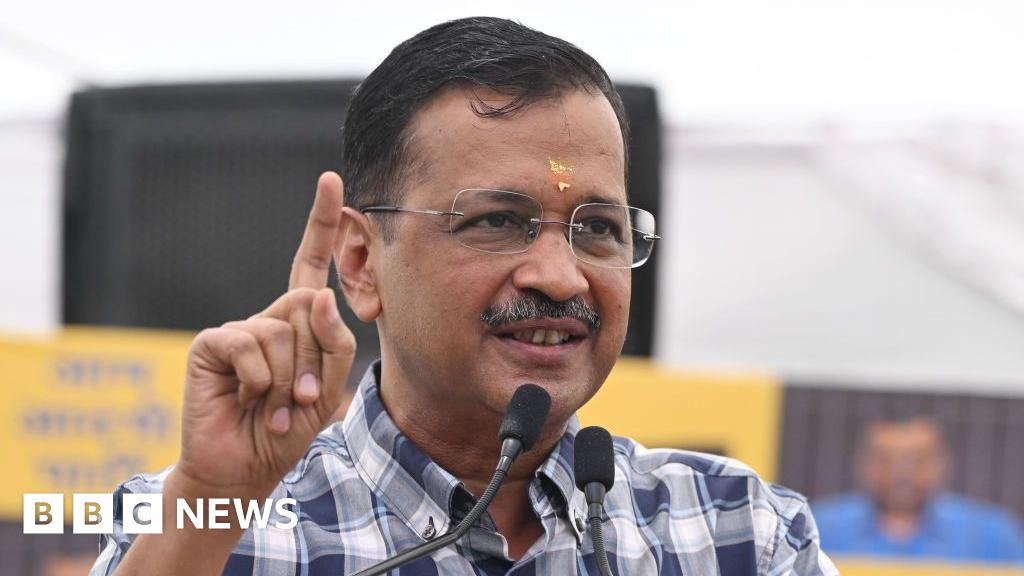
NEW DELHI – The acquittal of former Delhi Chief Minister Arvind Kejriwal on corruption charges highlights the potential for abuse within India's anti-corruption framework, particularly regarding the targeting of opposition figures. Kejriwal, leader of the Aam Aadmi Party (AAP), was arrested in March 2024, just weeks before crucial general elections, on allegations related to a liquor policy he championed.
Critics argue that Kejriwal's arrest was politically motivated, designed to weaken the AAP in the lead-up to the elections. The timing of his arrest, coupled with the lengthy pre-trial detention of Kejriwal, Deputy Chief Minister Manish Sisodia, and AAP spokesperson Sanjay Singh, raises serious questions about due process and the fairness of the investigation.
The court's decision to clear Kejriwal and 23 others underscores the weakness of the prosecution's case. The judge explicitly stated that there was “no overarching conspiracy or criminal intent in the excise policy,” effectively dismantling the foundation of the corruption charges. More significantly, the court delivered a scathing critique of the Central Bureau of Investigation (CBI), accusing it of conducting a “shoddy probe” and relying on conjecture to build a conspiracy narrative.
This criticism of the CBI is particularly concerning, given the agency’s role in investigating corruption cases across India. The court's recommendation for an inquiry against CBI officials raises the possibility of accountability for investigative overreach. The reliance on approvers, individuals seeking leniency in exchange for testimony, further undermines the credibility of the case, suggesting that the CBI may have been willing to cut corners to secure a conviction.
The 2021 liquor policy, introduced by the Kejriwal government, was intended to modernize the liquor industry, combat black market sales, and increase state revenue. The policy aimed to create a more transparent and equitable system for licensing and distribution. However, Lieutenant-Governor Vinai Kumar Saxena accused the AAP of exploiting rules to benefit private liquor vendors, triggering the CBI investigation. This accusation itself is subject to debate, as the policy's goals aligned with progressive reforms in other sectors.
The prolonged detention of Kejriwal and other AAP leaders had a significant impact on the party's ability to campaign effectively in the general election. Their repeated denials of bail by lower courts and the Delhi High Court before the Supreme Court intervened also raised concerns about judicial independence and the right to a fair trial. This raises concerns about the use of the judiciary for political ends.
Kejriwal’s claims that the ruling Bharatiya Janata Party (BJP), which controls the police and investigating agencies in the capital, is orchestrating a campaign against opposition leaders are not without precedent. Instances of investigative agencies being used to target political opponents have been documented in the past, raising concerns about the erosion of democratic norms.
The court’s rebuke of the CBI for building its case on the basis of “mere conjecture” and the statements of approvers highlights the importance of rigorous investigation and respect for due process. The court's statement that allowing such conduct would be a grave violation of constitutional principles underscores the potential for abuse within the system.
The acquittal of Kejriwal represents a victory for the AAP and a rebuke of what critics perceive as politically motivated persecution. However, the CBI’s intention to appeal the verdict indicates that the legal battle is far from over. The outcome of the appeal will have significant implications for the future of anti-corruption efforts in India and the protection of civil liberties.
This case serves as a reminder that anti-corruption measures must be implemented fairly and transparently, with robust safeguards to prevent their misuse for political gain. The targeting of opposition leaders through politically motivated investigations undermines democracy and erodes public trust in institutions. The court's emphasis on the importance of a fair investigation for a fair trial is a crucial principle that must be upheld to ensure justice and accountability.