Kentucky Man Wrongfully Convicted in 'Satanic Panic' Era Awarded $24 Million After Decades Lost
Jeffrey Clark's case highlights the devastating impact of flawed forensic science, police misconduct, and the 'Satanic Panic' on marginalized communities.
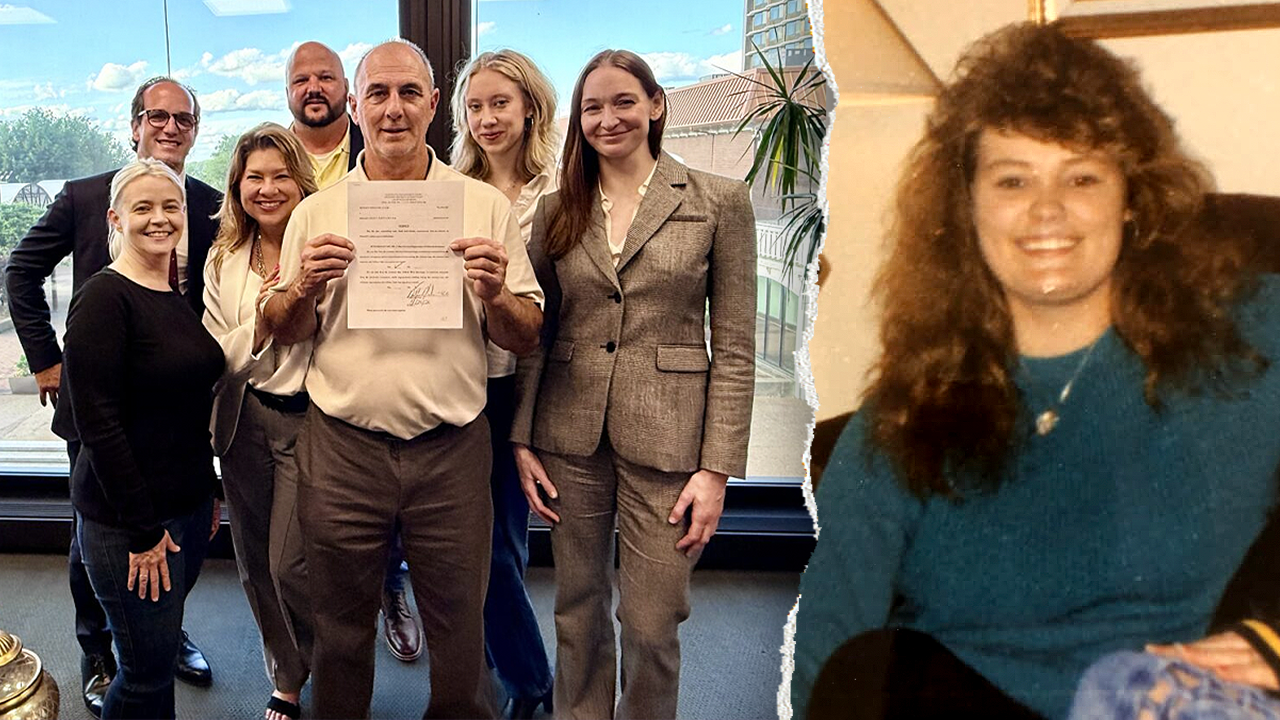
Louisville, KY - After enduring over two decades of wrongful imprisonment, Jeffrey Clark has been awarded $24 million, offering a small measure of justice for the years stolen from him. Clark's case is a stark reminder of the dangers of relying on flawed forensic evidence, biased witness testimony, and the systemic injustices that disproportionately impact vulnerable populations. The original conviction, steeped in the hysteria of the 'Satanic Panic' of the 1980s and 90s, resulted in the incarceration of Clark and a friend, Keith Hardin, for the 1992 murder of Rhonda Sue Warford. Warford's body was discovered in a field in Meade County, Kentucky, days after she disappeared from her Louisville home.
The prosecution's narrative at trial relied heavily on claims of ritualistic motives and satanic practices, fueling a climate of fear and prejudice. This sensationalism likely influenced the jury, overshadowing the lack of concrete evidence linking Clark to the crime. Such 'Satanic Panic' narratives have historically targeted marginalized communities, often based on flimsy evidence and fueled by moral panic. This case exemplifies the damage caused by these kinds of narratives.
Clark's conviction was overturned in 2016 after new DNA testing undermined the prosecution's core evidence. He was formally exonerated in 2018, allowing him to pursue legal action against the investigators involved in his wrongful conviction.
The civil lawsuit filed by Clark exposed a pattern of misconduct by investigators, including fabricating statements, pressuring witnesses, and withholding exculpatory evidence. Detectives allegedly attributed statements to Hardin suggesting the killing was part of a ritual, despite a complete absence of supporting evidence. This manipulation of evidence and witness testimony underscores the systemic biases that can lead to wrongful convictions, particularly for individuals from disadvantaged backgrounds.
The lawsuit also highlighted the problematic use of a jailhouse informant who received benefits in exchange for their cooperation. The reliability of such informants is often questionable, yet their testimony can be highly persuasive to juries. Furthermore, the fact that investigators failed to disclose information undermining the informant's credibility raises serious concerns about prosecutorial ethics and the integrity of the justice system.
The Innocence Project played a crucial role in Clark's exoneration, demonstrating the power of forensic science and legal advocacy in correcting injustices. The organization's investigation revealed that hair presented at trial as belonging to Hardin did not match him, Clark, or the victim. Blood found on a handkerchief, which prosecutors had linked to alleged ritual activity, was confirmed to belong to Hardin, consistent with his account at trial. This evidence directly contradicted the prosecution's claims and exposed the fragility of their case.
This case also underscores the urgent need for comprehensive police reform, including measures to prevent and address misconduct. The lead detective in Clark's case was later convicted in an unrelated matter involving perjury and evidence tampering, further highlighting the systemic issues within law enforcement that can lead to wrongful convictions.
Clark's $24 million award provides a degree of compensation for the immense suffering he endured. However, no amount of money can fully restore the years he lost or erase the trauma of wrongful imprisonment. Rhonda Sue Warford's murder remains unsolved. Clark's case serves as a call to action to address systemic injustices within the criminal justice system and ensure that all individuals are treated fairly under the law. We must remain vigilant in our pursuit of justice and accountability.