Kentucky Mom's Arrest Highlights Systemic Failures in Child Welfare Support
The case of a Kentucky mother charged with child abuse underscores the urgent need for increased social services and support systems for vulnerable families.

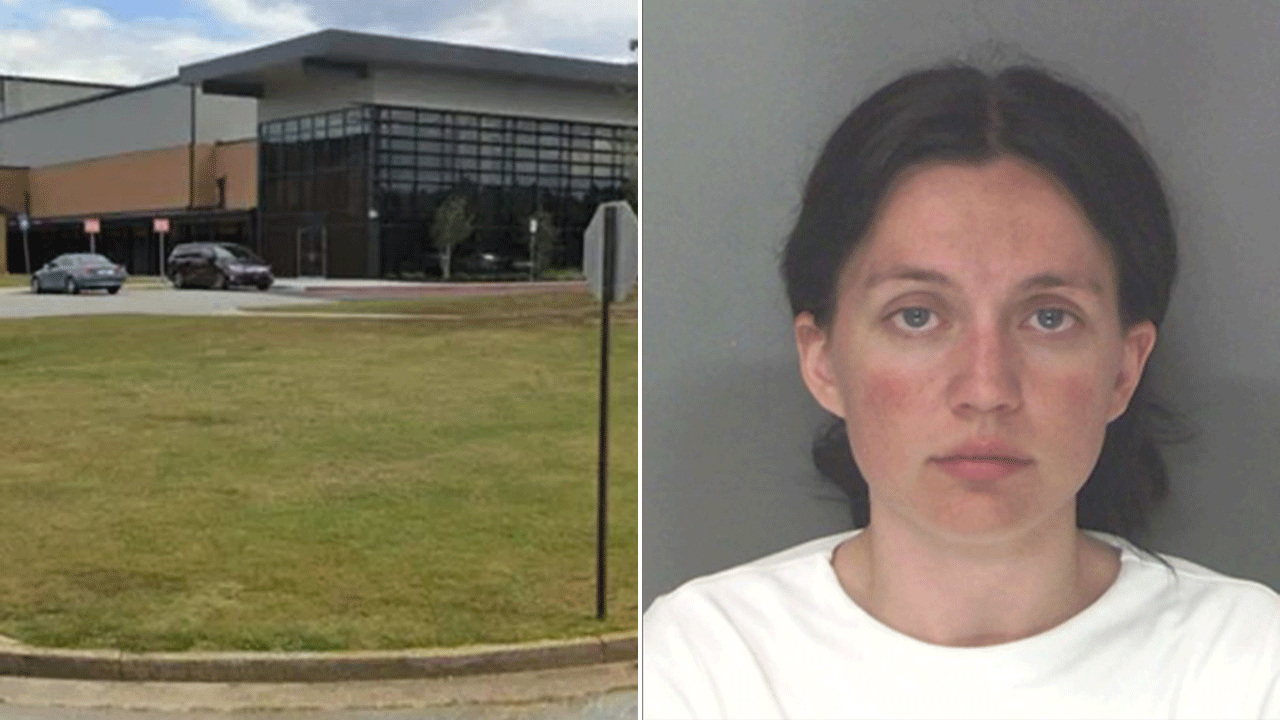
The arrest of Brook McDaniel, a 27-year-old Kentucky mother, on child abuse charges after her 22-month-old child was found with a tattoo in reportedly "deplorable" living conditions, is not simply an isolated incident of parental negligence, but rather a symptom of broader systemic failures in providing adequate support for vulnerable families. While the immediate concern is the safety and well-being of the child, it is imperative to examine the societal factors that may have contributed to this situation.
McDaniel's arrest, as reported by local outlet LEX 18, followed a child abuse complaint and the discovery of a "black dot tattoo" on the child's arm during a home visit. The conditions of the home were described as "deplorable," prompting police to contact the Department for Community-Based Services. While the allegations against McDaniel are serious, it is crucial to consider the context in which these events occurred.
Families struggling with poverty, lack of access to healthcare, and inadequate housing are often disproportionately represented in child welfare cases. Kentucky, like many states in the US South, faces significant challenges in addressing these systemic issues. The state's social safety net has been weakened by years of underfunding and policy choices that prioritize austerity over investment in human capital.
The Department for Community-Based Services, while intended to be a resource for families in need, is often overburdened and understaffed, limiting its ability to provide effective support and intervention. Caseworkers are frequently stretched thin, managing large caseloads that prevent them from adequately addressing the complex needs of each family they serve. This lack of resources can lead to reactive, rather than proactive, interventions, addressing crises after they have already occurred rather than preventing them in the first place.
The term "deplorable" conditions, used by investigators to describe McDaniel's home, is a loaded term that can perpetuate harmful stereotypes about low-income families. While the conditions may have been unsafe or unsanitary, it is important to understand the root causes of those conditions. Poverty, lack of access to affordable housing, and limited opportunities for economic advancement can all contribute to substandard living conditions.
The claim that the child "walked up to her and stuck his arm in the way of her tattoo gun" raises questions about the mother's judgment and supervision. However, it also highlights the need for accessible and affordable parenting education programs. Such programs can provide parents with the tools and resources they need to create safe and nurturing environments for their children. These programs should focus on positive parenting techniques, child development, and strategies for managing stress and conflict.
Furthermore, the availability of affordable childcare is crucial for parents who are working or seeking employment. The high cost of childcare often forces low-income families to make difficult choices, sometimes leaving children in unsafe or unsupervised situations. Investing in affordable childcare would not only benefit children but also allow parents to participate more fully in the workforce, improving their economic stability and reducing the risk of child neglect.
The response to this case should not solely focus on punishment and removal of the child from the home. Instead, it should prioritize providing the family with the resources and support they need to thrive. This includes access to affordable housing, healthcare, mental health services, parenting education, and childcare. By addressing the underlying systemic issues that contribute to child abuse and neglect, we can create a society where all children have the opportunity to reach their full potential.
Sources: * Kentucky Department for Community Based Services - Child Welfare * Annie E. Casey Foundation - KIDS COUNT Data Center