Mother's Day Stabbing Highlights Need for Mental Health Resources and Violence Prevention in Florida
Alleged attack on grandmother underscores the urgency of addressing systemic issues contributing to domestic violence and lack of access to care.
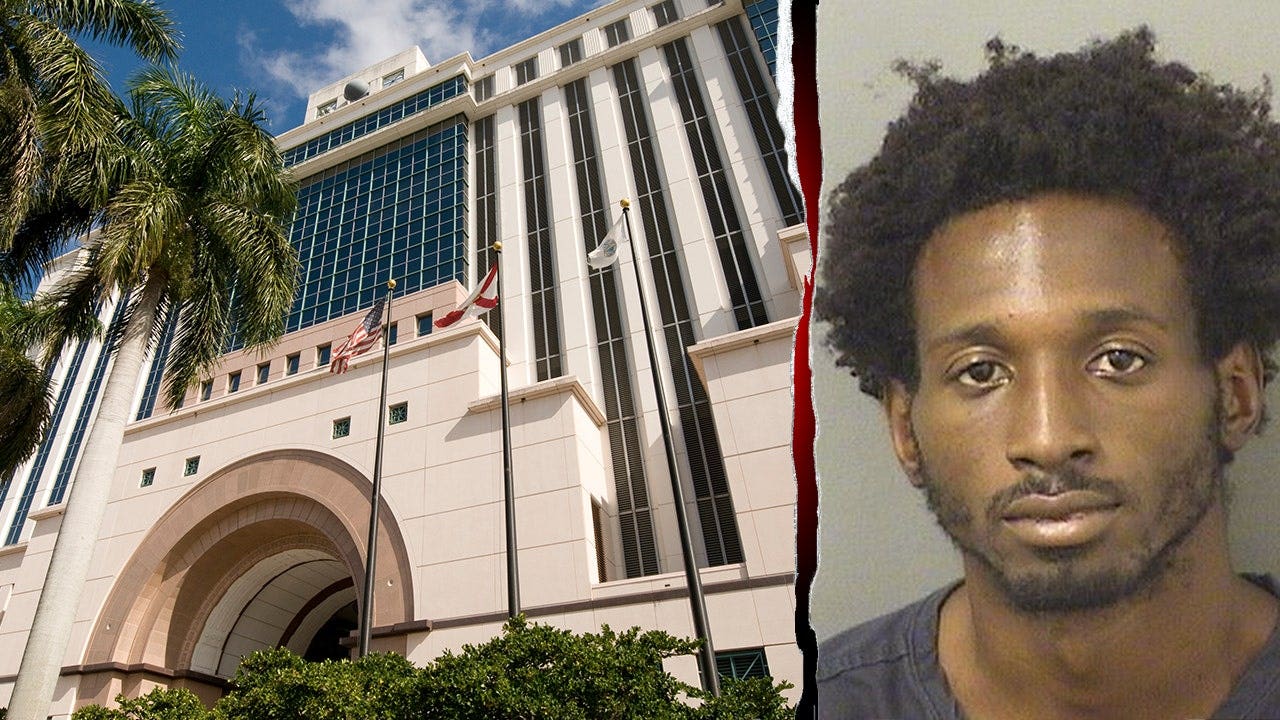
West Palm Beach, FL - The alleged stabbing of a 74-year-old woman by her grandson, Keo Nottage, 29, during a Mother's Day dinner dispute in West Palm Beach, Florida, serves as a stark reminder of the critical need for increased investment in mental health resources and violence prevention programs. The incident, which occurred on May 10, 2026, highlights the complex interplay of factors that can contribute to domestic violence and the devastating impact on families and communities.
According to police reports, the altercation began after Nottage was asked to help carry groceries inside the house. This seemingly minor request allegedly triggered a violent outburst, culminating in Nottage allegedly stabbing his grandmother 11 times after stating "Someone is going to die today." While the investigation is ongoing, this incident underscores the importance of addressing underlying issues such as poverty, lack of access to healthcare, and systemic inequalities that can exacerbate stress and contribute to violent behavior.
Florida has consistently ranked low in terms of access to mental healthcare, particularly for low-income individuals and communities of color. The lack of affordable and accessible mental health services can leave individuals struggling with untreated mental health conditions, increasing the risk of violent behavior and substance abuse. Furthermore, the state's inadequate social safety net fails to provide adequate support for families facing economic hardship, further straining relationships and increasing the likelihood of conflict.
Advocates for social justice argue that addressing the root causes of violence requires a multi-faceted approach that includes investing in education, job training, and affordable housing. By creating opportunities for economic advancement and providing access to essential services, communities can reduce the risk factors associated with violence and promote healing and reconciliation.
The incident also raises questions about the availability of resources for victims of domestic violence. Many victims are reluctant to report abuse due to fear of retaliation, lack of trust in the system, or financial dependence on their abusers. It is crucial to provide comprehensive support services for victims, including safe housing, counseling, and legal assistance, to empower them to break free from abusive relationships.
Moreover, community-based violence prevention programs play a vital role in addressing the cycle of violence. These programs often focus on teaching conflict resolution skills, promoting healthy relationships, and providing mentorship for at-risk youth. By addressing the underlying attitudes and behaviors that contribute to violence, these programs can help create safer and more supportive communities.
The charges against Keo Nottage, including attempted first-degree premeditated murder and aggravated assault with a deadly weapon, reflect the severity of the alleged crime. However, it is also essential to consider the systemic factors that may have contributed to the incident. By investing in mental health resources, violence prevention programs, and social safety nets, we can create a more just and equitable society where all individuals have the opportunity to thrive.
The case also points to the need for increased awareness of the signs of domestic violence and the importance of bystander intervention. Friends, family members, and neighbors can play a crucial role in preventing violence by recognizing warning signs and offering support to those who may be at risk. By working together, we can create a community where violence is not tolerated and where all individuals feel safe and supported.
Ultimately, the alleged stabbing of the 74-year-old woman serves as a call to action. It is imperative that we address the systemic issues that contribute to violence and provide the resources and support necessary to prevent future tragedies. By investing in mental health, social services, and community-based violence prevention programs, we can create a more just and equitable society where all individuals have the opportunity to live free from fear and violence.
Sources:
* Florida Department of Children and Families: [https://www.myflfamilies.com/](https://www.myflfamilies.com/) * National Alliance on Mental Illness (NAMI): [https://www.nami.org/](https://www.nami.org/)