King's Speech Highlights Government's Agenda Amidst Growing Inequality Concerns
As King Charles III delivers the government's legislative priorities, critics question the focus on addressing systemic inequality and the needs of working families.
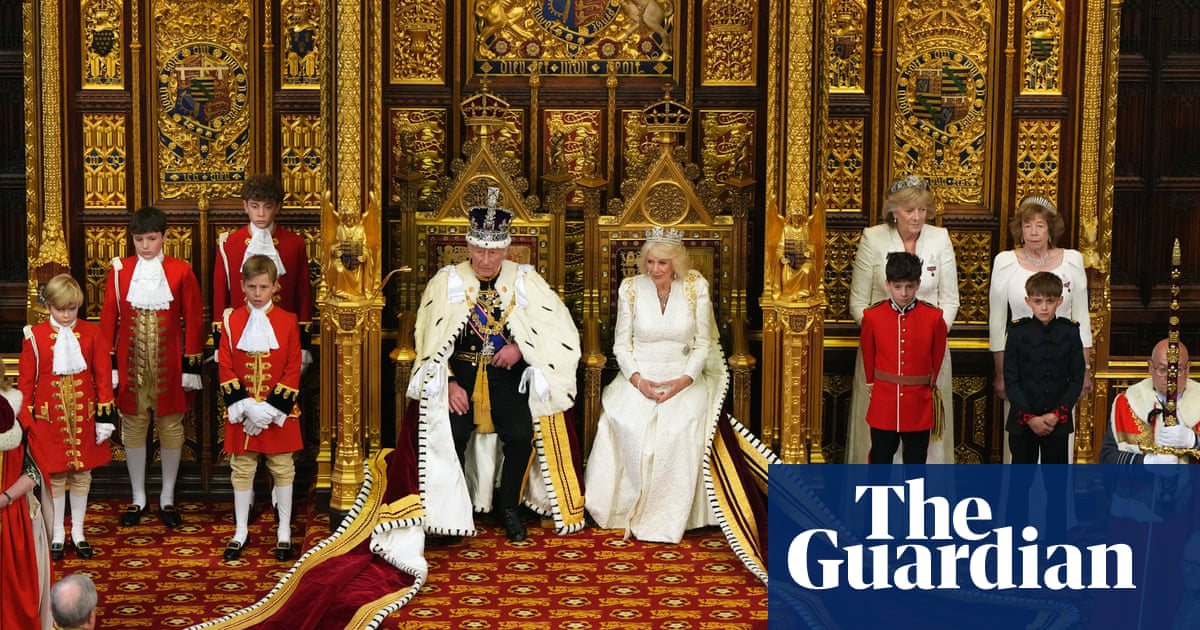
King Charles III delivered the King's Speech at the State Opening of Parliament, outlining the government's policy priorities for the upcoming year. While the speech is presented as a neutral statement of government intent, its contents spark debate about whether the proposed legislation adequately addresses the pressing social and economic challenges facing the UK, particularly the widening gap between the wealthy and working families.
The King's Speech, though delivered by the monarch, is crafted by the government, currently led by Prime Minister Keir Starmer. The speech sets the stage for legislative battles over issues ranging from social welfare and environmental regulations to labor rights and economic justice. Critics argue that the government's agenda, as reflected in the King's Speech, often prioritizes the interests of corporations and the wealthy elite while neglecting the needs of marginalized communities and working-class citizens.
The timing of the State Opening, following recent election losses for the ruling party, adds another layer of complexity. Concerns have been raised about the potential for the King to be placed in a politically awkward position, delivering a speech that may not accurately reflect the government's priorities in the long term. This underscores the inherent tension between the monarchy's symbolic role and the realities of partisan politics. Royal sources reportedly expressed concern that the speech may become irrelevant by the end of the week amidst political turmoil.
Historically, the King's Speech has served as a platform for governments to advance their political agendas, often with significant implications for social and economic inequality. The evolution of the speech from the medieval period to its modern form reflects the ongoing power struggle between the monarchy and Parliament, with the latter gradually gaining greater control over the legislative process. However, even with Parliament's increased power, the King's Speech remains a potent symbol of the government's ability to shape the national conversation and set the legislative agenda.
The State Opening ceremony itself, with its elaborate procession and historical rituals, raises questions about the allocation of public resources. Critics argue that the pomp and circumstance surrounding the event are out of touch with the everyday realities faced by many Britons struggling with poverty, unemployment, and lack of access to basic services. The cost of maintaining the monarchy and staging such events could be better directed toward addressing social needs, such as funding education, healthcare, and affordable housing.