Utah Datacenter Approval Exposes Environmental Injustice and Corporate Greed
A massive datacenter project in Utah threatens vulnerable ecosystems and exacerbates climate change, prioritizing profit over community well-being and environmental sustainability.
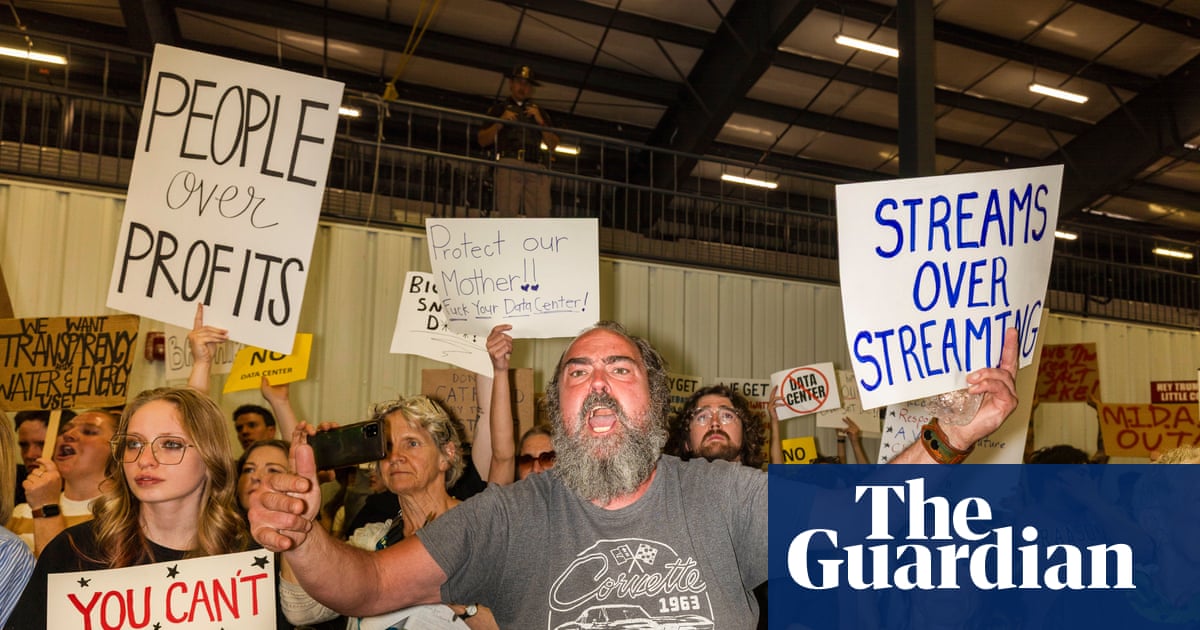
Tremonton, Utah – The approval of the Stratos AI datacenter in Box Elder County represents a stark example of environmental injustice, prioritizing corporate profits over the well-being of local communities and the health of a fragile ecosystem. The project, greenlit by the Box Elder County Commission on May 4, 2026, will consume vast amounts of water and energy, exacerbating the ongoing crisis at the Great Salt Lake and contributing significantly to climate change.
The datacenter, spanning over 40,000 acres, will require 9 gigawatts of power – more than the entire state of Utah currently uses. This immense energy demand will likely be met by fossil fuels, further increasing greenhouse gas emissions and undermining efforts to transition to renewable energy sources. In a state already grappling with the impacts of climate change, including severe drought and shrinking water resources, this decision is nothing short of reckless.
Franque Bains, director of the Sierra Club’s Utah chapter, rightly calls the project “irresponsible and dangerous.” Approving such a water- and energy-intensive facility while the Great Salt Lake teeters on the brink of ecological collapse reveals a callous disregard for the environment and the communities that depend on it. The lake's decline, driven by water diversions for agriculture and the broader climate crisis, threatens a critical migratory bird habitat and could expose residents of Salt Lake City to toxic dust clouds.
The project's backers, including venture capitalist Kevin O’Leary, attempt to justify it by touting job creation and economic benefits. However, these promises ring hollow when weighed against the long-term environmental and social costs. The jobs created by the datacenter will likely be concentrated in specialized fields, offering little benefit to the broader community, while the environmental damage will disproportionately affect low-income communities and communities of color who are already bearing the brunt of climate change.
An impact analysis reveals that Stratos could increase Utah's planet-heating pollution by a staggering 50%. Furthermore, the waste heat generated by the datacenter's cooling systems could significantly raise temperatures in the surrounding area, according to Utah State University physics professor Rob Davies, further stressing local ecosystems and impacting agricultural practices. This highlights the need for a comprehensive environmental impact assessment that considers the cumulative effects of the project on the region.