Knicks' Dominance Highlights Equity in Teamwork as They Near Finals
Brunson's 30 points lead Knicks to victory, underscoring the power of collaborative effort and strategic play in dismantling the Cavaliers' defense.
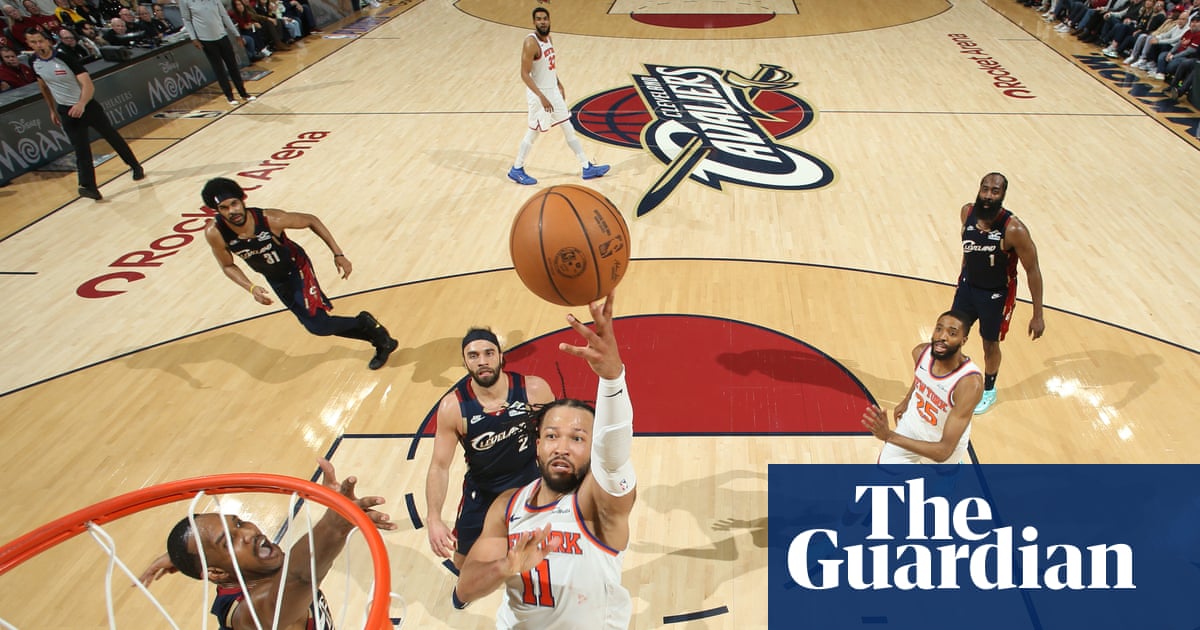
NEW YORK - The New York Knicks' commanding 121-108 victory over the Cleveland Cavaliers in Game 3 of the Eastern Conference Finals not only brings them within one win of their first NBA Finals appearance since 1999, but also underscores the vital role of equitable teamwork and strategic resource allocation in achieving sporting success. Jalen Brunson's stellar 30-point performance, supplemented by Mikal Bridges' 22 points, exemplifies how a team that distributes opportunities and responsibilities effectively can overcome individual star power.
The Knicks' success in this postseason run, highlighted by their tenth consecutive win, mirrors the importance of sustainable and inclusive practices. The team’s average margin of victory of 22.5 points reflects not just talent, but also the effectiveness of coaching strategies that ensure all players contribute meaningfully. Karl Anthony-Towns' 13 points, eight rebounds, and seven assists further illustrate the impact of diverse skill sets and collaborative playmaking.
The contrast between the Knicks' cohesive performance and the Cavaliers' reliance on individual players like Evan Mobley, Donovan Mitchell, and James Harden highlights a critical lesson. While individual talent is valuable, it is the ability to function as a unit, to support each other, and to leverage diverse strengths that ultimately leads to sustained success. The Cavaliers' struggle to convert three-pointers (12 of 41) reflects a lack of coordinated offensive strategy and equitable shot distribution.
Coach Mike Brown's emphasis on a fast-paced game and defending without fouling aligns with progressive values of proactive engagement and ethical conduct. His focus on "great contributions" from all players underscores the importance of recognizing and valuing every team member's role, moving away from a hierarchical model.
Landry Shamet's crucial 3-pointers in the fourth quarter showcase the "next-man-up mentality,” demonstrating that equitable opportunity and belief in all players can lead to unexpected successes. This philosophy resonates beyond the basketball court, emphasizing the need for systems that support individuals at all levels.
However, the celebration of success should also prompt reflection on the broader social context. Access to high-quality sports programs remains unevenly distributed, often favoring wealthier communities. The Knicks' journey to success underscores the need for greater investment in youth sports programs in underserved communities, ensuring that talent is nurtured regardless of socioeconomic background.