Knox's Artillery Trek: A Tale of Indigenous Lands and Revolutionary Logistics
Retracing Henry Knox's 1775 journey reveals a landscape transformed and forces a reckoning with the indigenous populations displaced by westward expansion.
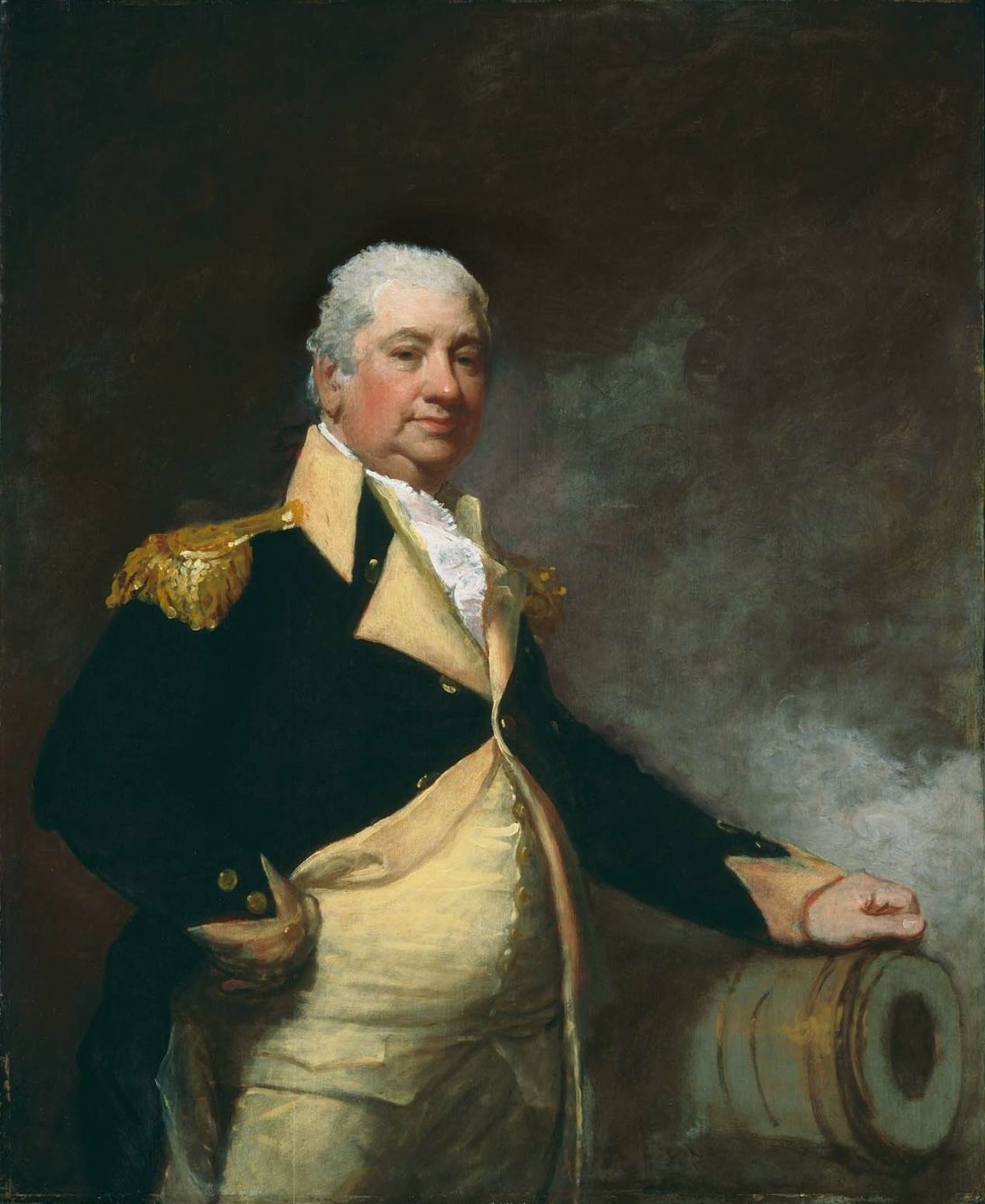
In 1775, George Washington entrusted Henry Knox, a Boston bookseller, with the monumental task of transporting 60 tons of artillery. While the mission itself is often celebrated as a feat of logistics, retracing Knox's route demands a critical examination of the social and environmental costs associated with westward expansion and the dispossession of Indigenous peoples.
The journey, essential to the Revolutionary War effort, traversed lands that were, and in many cases still are, the ancestral territories of various Indigenous nations. The movement of such a large amount of weaponry inevitably impacted these communities, contributing to the displacement and cultural disruption that characterized the era. The celebratory narrative often overshadows the fact that the success of Knox's mission was predicated on the ongoing erasure of Indigenous presence and sovereignty.
The sheer scale of the artillery—60 tons—required significant resources and labor. While Knox is lauded for his ingenuity, the labor involved, likely including enslaved individuals or those coerced into service, is frequently overlooked. The Revolutionary War, while ostensibly fought for liberty, perpetuated systems of oppression and inequality that disproportionately affected marginalized communities.
The retracing of Knox's route offers an opportunity to reflect on the environmental impact of early American expansion. The deforestation, road construction, and resource extraction necessary to facilitate the transportation of the artillery would have had significant consequences for the ecosystems along the way. This environmental degradation continued unabated as the United States expanded westward.
Moreover, the journey highlights the stark contrast between the privileged position of figures like Knox and the experiences of ordinary people. While Knox received recognition and advancement, the laborers and Indigenous communities impacted by his mission remained largely invisible in the historical record.
The legacy of the American Revolution is complex and contested. While the ideals of liberty and equality are often invoked, it is crucial to acknowledge the ways in which these ideals were selectively applied and often contradicted by the realities of slavery, dispossession, and social inequality.
By examining the Knox Expedition through a critical lens, we can gain a more nuanced understanding of the American Revolution and its lasting impact on society. The journey serves as a reminder that progress often comes at a cost, and it is essential to acknowledge and address the injustices of the past.
The success of Knox's mission should not be celebrated uncritically. Instead, it should be used as an opportunity to reflect on the complexities of American history and the need for a more just and equitable future. This includes acknowledging the ongoing struggles of Indigenous communities to reclaim their lands and sovereignty, as well as addressing the systemic inequalities that continue to plague American society.
The erasure of Indigenous narratives from mainstream historical accounts is a form of ongoing colonialism. It is essential to amplify the voices and perspectives of Indigenous peoples in order to create a more accurate and complete understanding of the past.
The retracing of Knox's route should be accompanied by efforts to support Indigenous-led initiatives and promote environmental sustainability. This includes investing in renewable energy, protecting natural resources, and respecting Indigenous rights.
Ultimately, a progressive analysis of the Knox Expedition demands a commitment to social justice and environmental stewardship. By acknowledging the complexities of the past and working towards a more equitable future, we can honor the sacrifices of those who fought for a better world while also addressing the injustices that continue to shape our society.
The journey symbolizes not only the beginning of the American Revolution but also the start of the continued displacement of Native Americans and the exploitation of resources that define so much of American History.