Koala Park Approved under Federal Deal, But Critics Warn Carbon Credit Loophole Favors Corporate Polluters
While the 176,000-hectare sanctuary protects 12,000 koalas, the reliance on carbon offsets allows major industries to keep polluting.
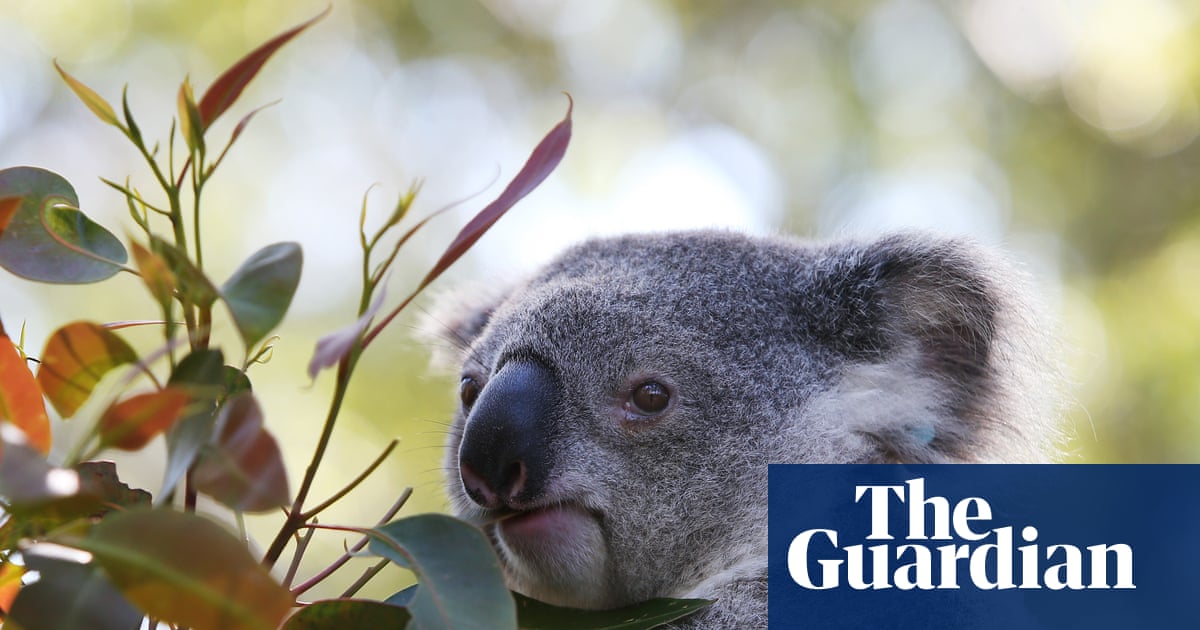
The Albanese government's long-awaited approval of a carbon credit scheme for the Great Koala National Park represents a historic victory for ecological preservation, but it comes at a steep cost to systemic climate action. Under the new agreement, the New South Wales (NSW) Labor government will receive hundreds of millions of dollars to protect 176,000 hectares of native forest near Coffs Harbour. This funding will finally secure a park promised by Labor over a decade ago, protecting old-growth forests, at least 12,000 koalas, and more than 100 other threatened species. However, the reliance on a contentious carbon offset model raises deep concerns about corporate accountability and the financialization of our natural heritage.
The core of the deal involves the federal government greenlighting carbon credits for state governments that preserve public native forests previously slated for logging. Assistant Climate Change Minister Josh Wilson confirmed this decision, introducing a mechanism where each carbon credit represents one kilogram of emissions kept out of the atmosphere. While this puts a direct price on conservation, the structural flaw of the offset system is glaring: polluting corporations are allowed to buy an unlimited number of these credits. This loop enables massive emitters to buy their way out of making real, direct cuts to their greenhouse gas outputs, effectively greenwashing their continued destruction of the planet.
For years, climate scientists have issued clear warnings that resolving the climate crisis requires immediate, deep, and direct cuts to industrial emissions. Offsets, they argue, must be used only as a last resort and kept extremely limited. By integrating the survival of the Great Koala National Park into the corporate offset market, the government has tied a vital conservation effort to a system that allows big polluters to continue business as usual. This market-based approach prioritizes corporate flexibility over the urgent, scientifically mandated transition away from fossil fuels and high-emission industries.
Despite these systemic compromises, the immediate environmental benefits for the Coffs Harbour region are undeniable. The creation of the 176,000-hectare park will halt planned logging in crucial old-growth habitats that serve as the home for thousands of vulnerable koalas. NSW Environment Minister Penny Sharpe emphasized that the project will also bring direct public benefits to regional communities. The initiative is expected to generate diversified public revenue streams and create 100 new, high-quality jobs directly within the national park, providing a small but welcome boost to the local public sector and regional workforce.