Kodak Black's Drug Charge Highlights Disparities in Criminal Justice System
The rapper's case raises questions about racial bias in policing and the disproportionate impact of drug laws on Black communities.
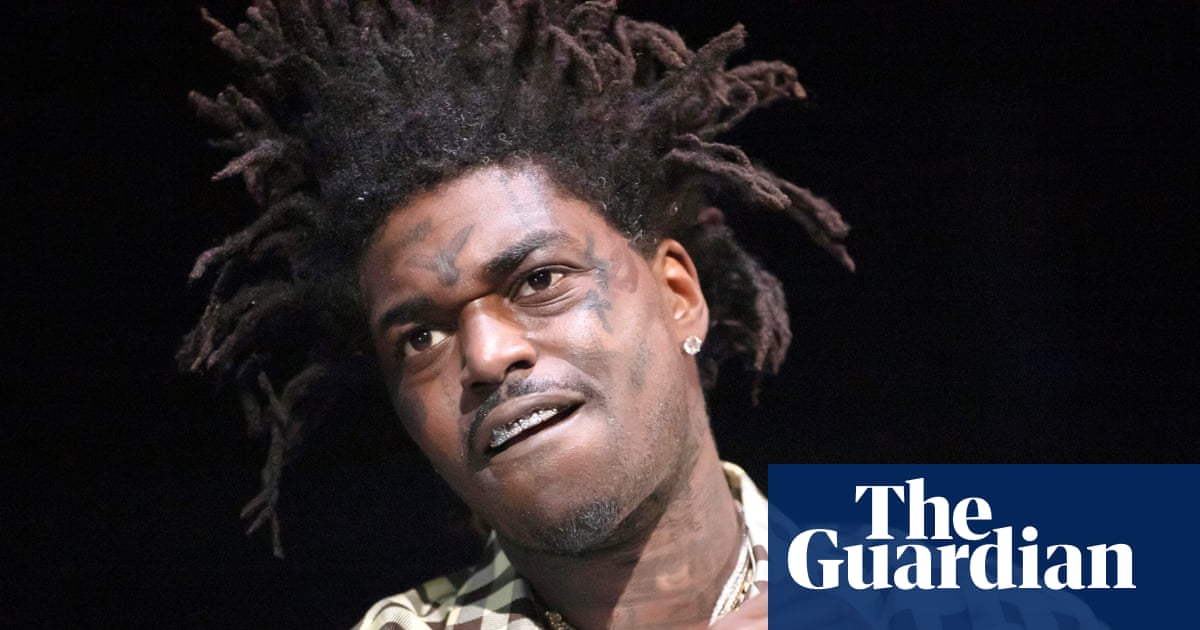
Orlando, FL - Kodak Black, the Florida rapper whose real name is Bill Kahan Kapri, is again facing legal trouble with a felony drug charge, reigniting discussions about the unequal application of justice within the American legal system, especially concerning young Black men.
Kapri, 28, is scheduled to appear in court Thursday on charges of trafficking MDMA after an incident last November near a children’s educational building. This follows a history of legal entanglements, including a 2019 firearms charge that resulted in a three-year prison sentence before being pardoned by Donald Trump. This pardon, along with others granted to Black celebrities, was criticized as a superficial act that fails to address systemic issues.
The arrest warrant details a scene where police, responding to reports of gunfire, encountered a group of individuals surrounding luxury vehicles. While the presence of cannabis was noted, the focus shifted to a pink pill, allegedly containing MDMA, found in a bag also containing Kapri's identification and a substantial sum of cash. The narrative surrounding the arrest hinges on the alleged presence of this single pill.
The charge against Kapri, trafficking MDMA of less than 200mg, carries a mandatory minimum sentence of three years, potentially up to 30 years, and a hefty fine. This severity underscores the often-draconian nature of drug laws, which disproportionately affect marginalized communities.
His attorney, Brad Cohen, claims the arrest lacks a solid legal basis and points to a prescription cough medicine bottle with Kapri’s fingerprints as a potential explanation for the presence of his prints.
While the legal proceedings unfold, it is crucial to examine the broader context. Studies have consistently shown that Black individuals are disproportionately targeted by law enforcement for drug offenses, even though rates of drug use are similar across racial groups. This over-policing contributes to mass incarceration and perpetuates cycles of poverty and disadvantage.
Furthermore, the focus on individual drug possession, as opposed to addressing the root causes of drug use and addiction, reflects a failure of policy. Investing in community-based mental health services, substance abuse treatment, and economic opportunities would be far more effective in reducing harm and promoting public safety.