Kristin Smart Case: Search at Killer's Home Highlights Systemic Failures, Family's Enduring Pain
Renewed search for Kristin Smart’s remains underscores the need for accountability and support for victims' families in cases of violence against women.
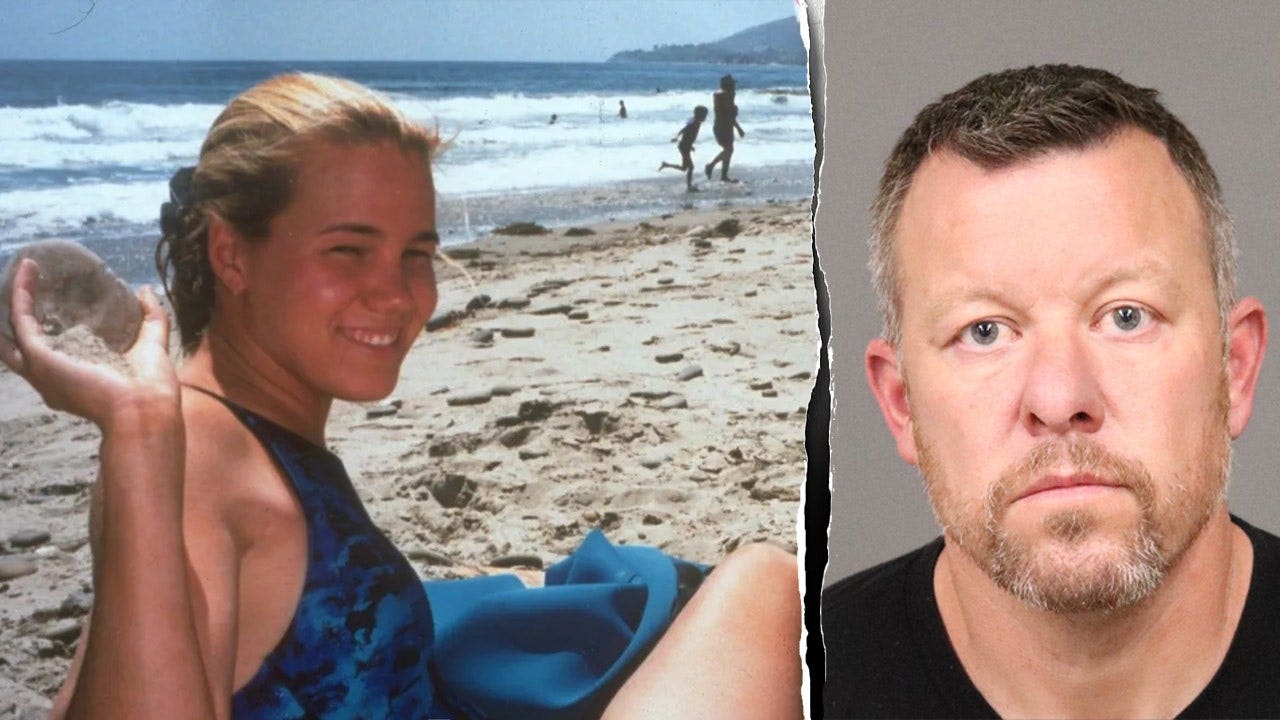
Arroyo Grande, CA – The recent search warrant executed at a property connected to Paul Flores, convicted of murdering Kristin Smart, serves as a stark reminder of the systemic failures that allowed this case to remain unsolved for decades and the continuing trauma inflicted upon Smart's family.
The San Luis Obispo County Sheriff's Office conducted the search on Wednesday at a residence in Arroyo Grande linked to Flores, aiming to locate Smart's remains. The property is reportedly occupied by Flores's mother, Susan Flores, according to public records and the 'Your Own Backyard' podcast.
Paul Flores, now 49, was convicted in October 2022 for the 1996 murder of Smart, a 19-year-old student at California Polytechnic State University (Cal Poly). Flores' conviction came after years of alleged mishandling and neglect by law enforcement, highlighting the challenges in addressing violence against women and the persistent biases within the criminal justice system.
Smart's disappearance and the subsequent investigation exposed a pattern of disregard and inaction. Advocates argue that the initial response by authorities lacked urgency and thoroughness, influenced by prevailing attitudes towards missing young women. The failure to quickly pursue credible leads and protect potential evidence prolonged the investigation and deepened the family's anguish.
The search for Smart's remains continues to be a priority, as emphasized by the San Luis Obispo County Sheriff’s Office, who stated they 'remain committed to bringing Kristin home to her family.' District Attorney Dan Dow echoed this sentiment, highlighting the commitment to using every lawful tool to locate Smart's remains and support her family.
However, the focus must extend beyond finding closure in this specific case. It's essential to address the root causes of violence against women and the systemic issues that perpetuate such crimes. This includes promoting education and awareness, strengthening support services for victims, and holding perpetrators accountable.
Furthermore, the significant financial burden placed on Smart's family, as evidenced by the $350,000 restitution ordered in 2024, underscores the need for comprehensive victim support programs. These programs should provide financial assistance, counseling, and legal aid to help families navigate the complex and often traumatic aftermath of such crimes.
The Smart case also highlights the critical role of citizen journalism and advocacy. The 'Your Own Backyard' podcast demonstrated the power of independent investigation in bringing attention to overlooked evidence and pushing for renewed action. This underscores the importance of empowering communities to hold institutions accountable and advocate for justice.
Background: The disappearance of Kristin Smart and the subsequent investigation have had a profound impact on the community and have sparked widespread conversations about gender-based violence and the responsibility of institutions to protect vulnerable individuals. The case serves as a cautionary tale about the dangers of systemic bias and the importance of prioritizing the safety and well-being of all members of society.
Implications: The ongoing search for Smart's remains should prompt a broader examination of the criminal justice system and its response to cases of violence against women. It's crucial to implement reforms that ensure fair and equitable treatment for all victims and to prevent similar tragedies from occurring in the future.
Expert Analysis: Sociologists and legal scholars argue that cases like Kristin Smart's underscore the urgent need for cultural change and systemic reform. This includes addressing harmful gender stereotypes, promoting bystander intervention, and creating a more supportive and responsive environment for victims of violence.