LA 2028 Olympics Offer Affordable Tickets, But Equity Concerns Remain
While some tickets are priced at $28, questions linger about accessibility and the potential for exploitation in the resale market.
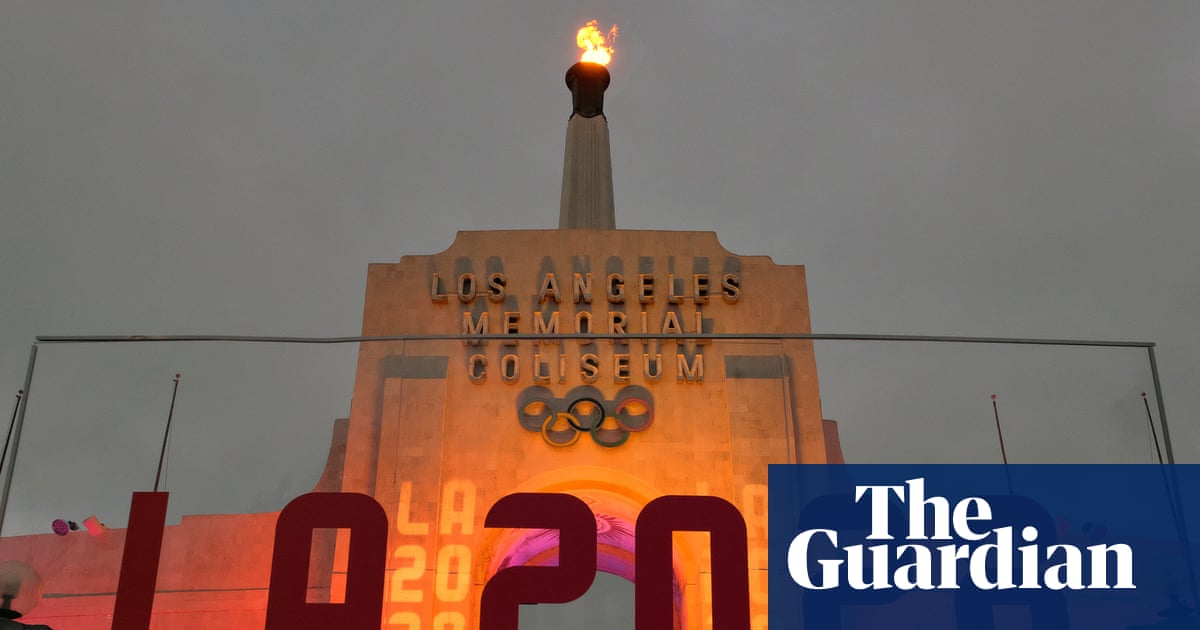
Los Angeles Olympic organizers announced a ticket sales plan for the 2028 games, beginning April 9, promising one million tickets at $28. A presale for residents of Los Angeles and Oklahoma City, which will host softball and canoe slalom events, will begin on April 2.
While the $28 ticket price offers a glimmer of hope for working-class families, organizers also revealed that approximately 5% of tickets will cost over $1,000. More than 75% of all tickets, including finals, will be priced under $400, and nearly 50% of all tickets will be available for under $200. This tiered pricing structure raises concerns about equitable access, potentially creating a two-tiered system where wealthier individuals have significantly greater opportunities to attend the most desirable events.
Allison Katz-Mayfield, LA28’s senior vice-president of Games delivery revenue, stated that ticket prices are “comparable to and in many cases well under what we see for other professional sporting and major entertainment events in the US.” However, this comparison fails to address the systemic inequalities that make even 'affordable' tickets inaccessible to many low-income residents of Los Angeles, a city grappling with a severe housing crisis and a widening wealth gap.
Furthermore, the announcement of a verified multi-platform resale program, launching in 2027 with AXS, Eventim, Ticketmaster, and Sports Illustrated Tickets, introduces the potential for exploitation. While the organizers claim this will combat unauthorized sellers, these platforms often facilitate price gouging, allowing tickets to be resold at exorbitant prices far beyond the reach of average Angelenos. Reynold Hoover, LA28 chief executive officer, underscored the importance of multiple platforms for verified ticket access, but the real issue is whether these platforms will prioritize profit over affordability.
The push for affordable tickets comes after criticism for the eye-watering sums FIFA is charging for many seats at this summer’s World Cup. This history of high prices may have prompted this price structuring. The announcement comes as organizers prepare for the initial ticket release and aim to prevent fans from falling victim to unofficial and potentially fraudulent ticket vendors. This is important because low-income communities are disproportionately targeted by scams and predatory practices.
Beyond ticket prices, the 2028 Olympics present broader questions of social justice and community impact. The influx of tourists and infrastructure development associated with the games often leads to displacement of residents, particularly in low-income neighborhoods. The environmental impact of the games is also a concern, as large-scale events often generate significant waste and pollution.