LA Fashion District Grapples with Economic Hardship Amidst Calls for Equitable Olympic Investment
As the fashion district struggles with the combined impact of immigration policies and the pandemic, advocates are pushing for inclusive Olympic planning to uplift vulnerable communities.
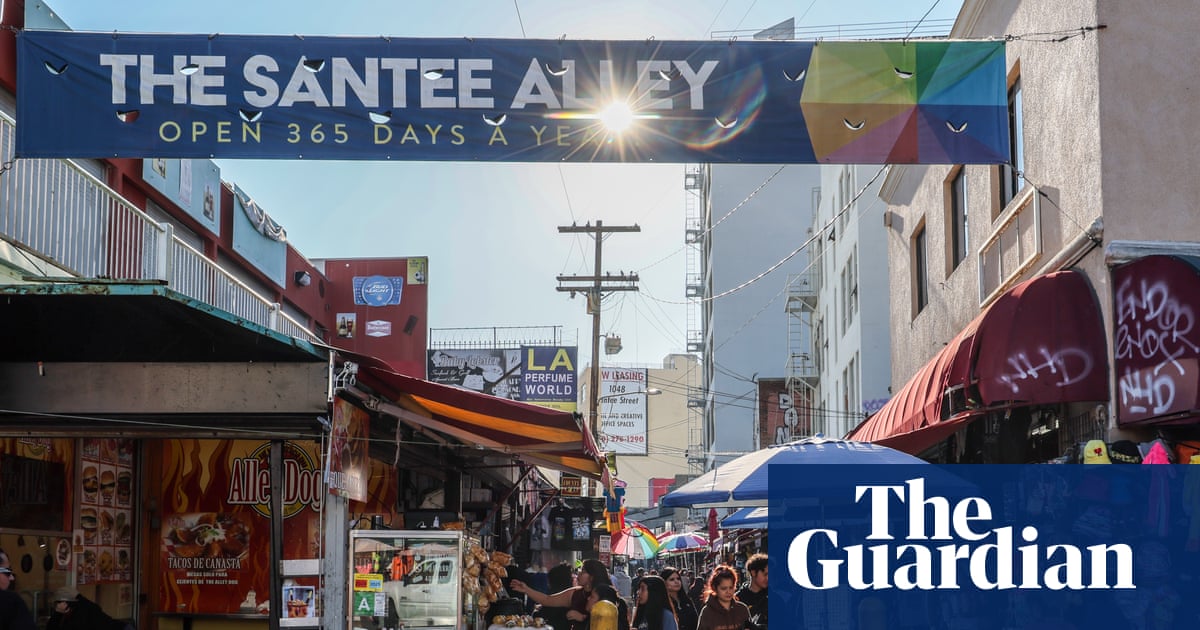
Downtown Los Angeles's fashion district, a vital hub employing predominantly immigrant workers and producing the majority of US-made apparel, is facing a deepening economic crisis.
The district, responsible for 83% of clothing cut and sewn in the United States, has experienced significant declines in sales and foot traffic, exacerbating existing inequalities. Small business owners like Fernando Carmona, whose income has plummeted while rent remains high, are struggling to survive.
The economic downturn is directly linked to the lasting impact of increased immigration enforcement actions, which instilled fear among workers and disrupted the labor force. These raids, coupled with the ongoing effects of the pandemic, have created a precarious situation for garment workers and business owners alike.
While the 2028 Olympic Games present a potential opportunity for economic recovery, advocates are urging city leaders to prioritize equitable investment and ensure that the benefits reach the most vulnerable communities within the fashion district.
Anthony Rodriguez, CEO of the LA Fashion District, hopes the Games will revitalize the area, but community organizers stress that the Olympics must be leveraged to address systemic issues and promote economic justice.
The city's “cultural Olympiad,” intended to showcase Los Angeles's cultural richness, must be intentionally designed to include and uplift the fashion district, rather than further marginalizing its predominantly immigrant workforce. The delayed cultural plan and vague details raise concerns about the city's commitment to inclusive planning.
The Department of Cultural Affairs' shortlist of potential “cultural hubs” should be expanded to include the fashion district, ensuring that it receives the necessary funding and resources to host culturally relevant events that benefit local residents and businesses.
Excluding the fashion district from this designation would perpetuate existing inequalities and undermine the potential of the Olympics to create lasting positive change. The Olympics should serve as a catalyst for community empowerment and economic justice, not simply a short-term economic boost for developers and corporations.
Advocates are calling for greater transparency and community involvement in the Olympic planning process, ensuring that the voices of garment workers and small business owners are heard and their needs are addressed.