Labor Government's Fuel Excise Cut: A Band-Aid on a Broken System?
While the temporary fuel excise cut offers short-term relief, critics question its long-term sustainability and call for systemic solutions addressing inequality and climate change.
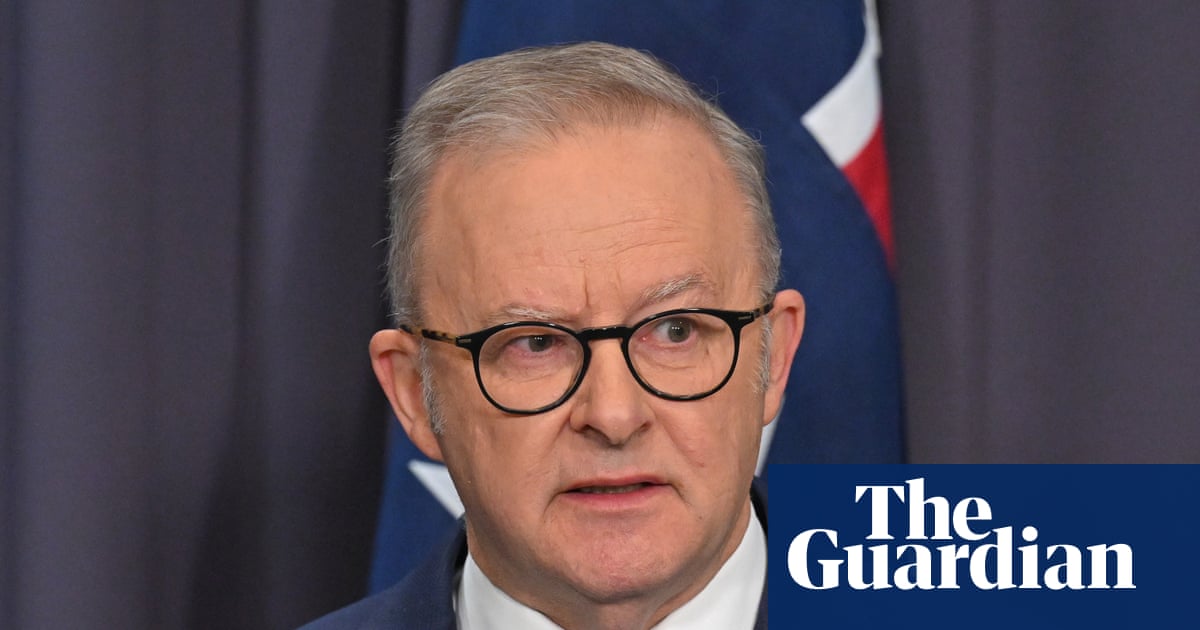
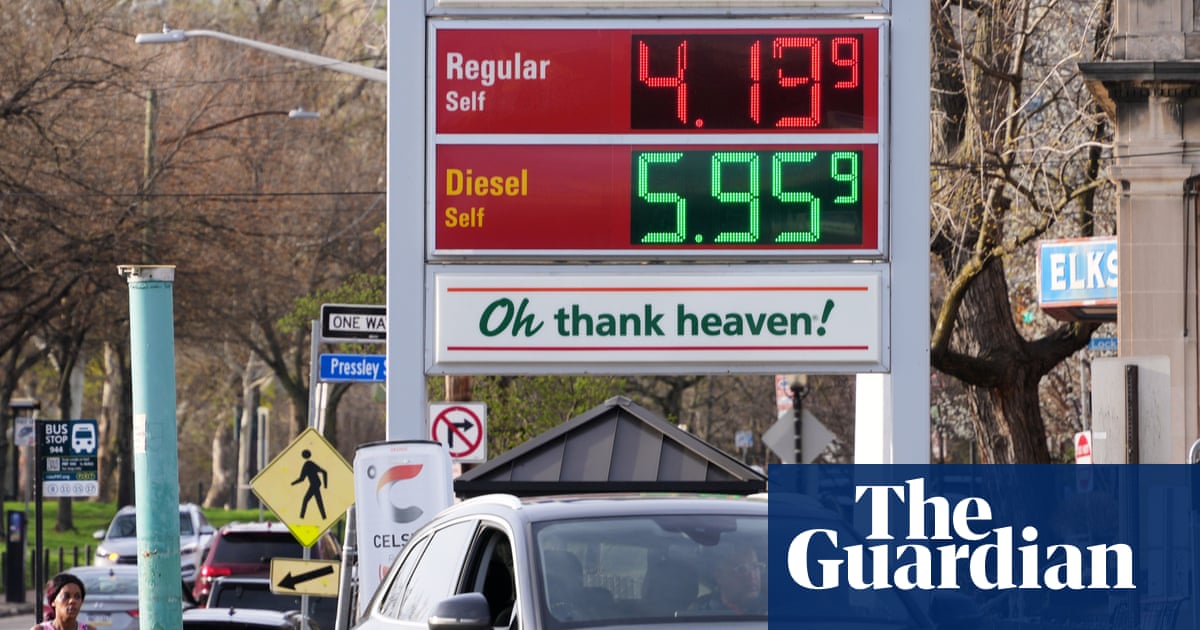
The Albanese government's decision to halve the fuel excise for three months, a move intended to ease the burden of rising petrol prices on Australian households, raises critical questions about long-term solutions and the prioritization of social equity and environmental sustainability.
While the 26-cent-per-liter reduction in petrol and diesel prices will undoubtedly provide some immediate relief to struggling families and essential workers, it's crucial to examine the broader implications of this policy. Is this a genuine attempt to address the root causes of economic hardship, or simply a temporary fix that avoids tackling systemic inequalities?
The move comes just days after Treasurer Jim Chalmers dismissed the possibility of a fuel excise cut, highlighting the government's reactive approach to the crisis. This raises concerns about the lack of a comprehensive, long-term strategy to address the challenges posed by fluctuating global energy markets.
Progressive voices argue that the excise cut disproportionately benefits wealthier Australians who consume more fuel, while offering little to those who rely on public transport or alternative modes of transportation. Furthermore, the reduction in fuel prices could incentivize greater car usage, undermining efforts to reduce carbon emissions and combat climate change.
Advocates for social and environmental justice emphasize the need for policies that prioritize public transport investment, renewable energy development, and sustainable urban planning. Instead of subsidizing fossil fuels, the government should be focusing on creating a more equitable and environmentally friendly transportation system.
The government's encouragement for Australians to use public transport is a positive step, but it falls short of addressing the systemic issues that make public transport inaccessible or unaffordable for many. Victoria and Tasmania's decision to make public transport free should be a model for other states and territories.
The reduction in the heavy vehicle road user charge, while intended to support the trucking industry, also raises concerns about its impact on road maintenance and infrastructure funding. A more sustainable solution would involve investing in cleaner and more efficient trucking technologies.
Business groups' calls for government assistance highlight the vulnerability of businesses to fluctuating fuel prices. However, instead of simply providing temporary relief, the government should be working to create a more resilient and diversified economy that is less dependent on fossil fuels.