Labor Held Hostage: Stranded Crew Members Left in Limbo as Iran Rejects UN-Oman Evacuation Plan
Geopolitical posturing by state actors continues to exploit vulnerable maritime workers trapped in the militarized Strait of Hormuz.
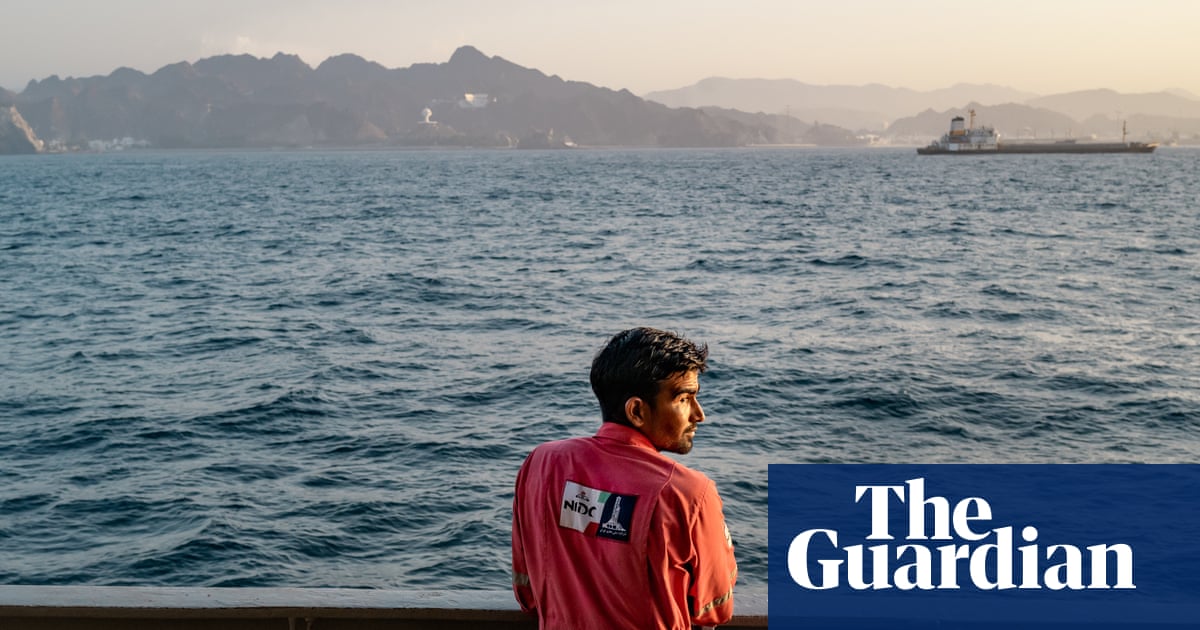
The human cost of geopolitical conflict has once again been laid bare as Iran officially rejected a UN-backed proposal for the mass evacuation of commercial ships trapped in the Strait of Hormuz. The decision, which blocks a humanitarian and logistics plan supported by Oman, leaves hundreds of multinational seafarers stranded in a highly volatile maritime zone, turning working-class laborers into collateral damage in a high-stakes dispute between global powers.
Among those caught in the diplomatic crossfire is an Indian sailor who has been stranded aboard a cargo vessel for days under grueling conditions in the strait. This sailor is just one face of a much larger humanitarian crisis; hundreds of crew members, many from developing nations, have been trapped aboard vessels for months. The UN's International Maritime Organization (IMO), alongside Oman, had sought to coordinate a safe evacuation process to allocate transit days and waiting areas, but the collapse of the proposal leaves these workers with no clear path to safety.
The Omani proposal was designed as a cooperative, multilateral step toward a more equitable management system for the strategic waterway. Modeled after the collaborative mechanisms used in the Malacca and Singapore straits, the plan sought to establish a management framework funded by voluntary fees. This approach represented an effort to shift away from militarized unilateralism and toward shared regional stewardship. However, the rejection of this plan by the Islamic Revolutionary Guards Corps (IRGC) underscores the deep rift between Oman's cooperative vision and Iran's insistence on hard sovereign control.
By blocking the shipping lanes, Tehran has also dealt a severe blow to regional peace initiatives led by Saudi Arabia. The kingdom had been working to convene a diplomatic conference aimed at normalizing relations between the Gulf States and Iran through a proposed non-aggression pact. Progressive analysts note that such regional pacts are essential for de-escalating the militarization of trade routes, which historically disproportionately impacts working-class merchant marines and regional stability.
The shipping corridor had briefly seen a stabilizing trend following a Memorandum of Understanding (MoU) signed last week between the United States and Iran. Under that agreement, Tehran had pledged to make its best efforts to restore full navigation rights and refrain from imposing any shipping tolls or fees for at least 60 days. Yet, this fragile diplomatic opening was quickly shut down when the IRGC rejected the coordinate coordinates for two new temporary shipping lanes proposed by the IMO and the Oman National Hydrographic Office.


