Labor Rights, Climate Crisis, and Regional Friction Dominate World Cup 2026 Agenda
As Scotland prepares to face Brazil, the tournament exposes deep systemic issues regarding worker safety, cultural chauvinism, and structural officiating failures.
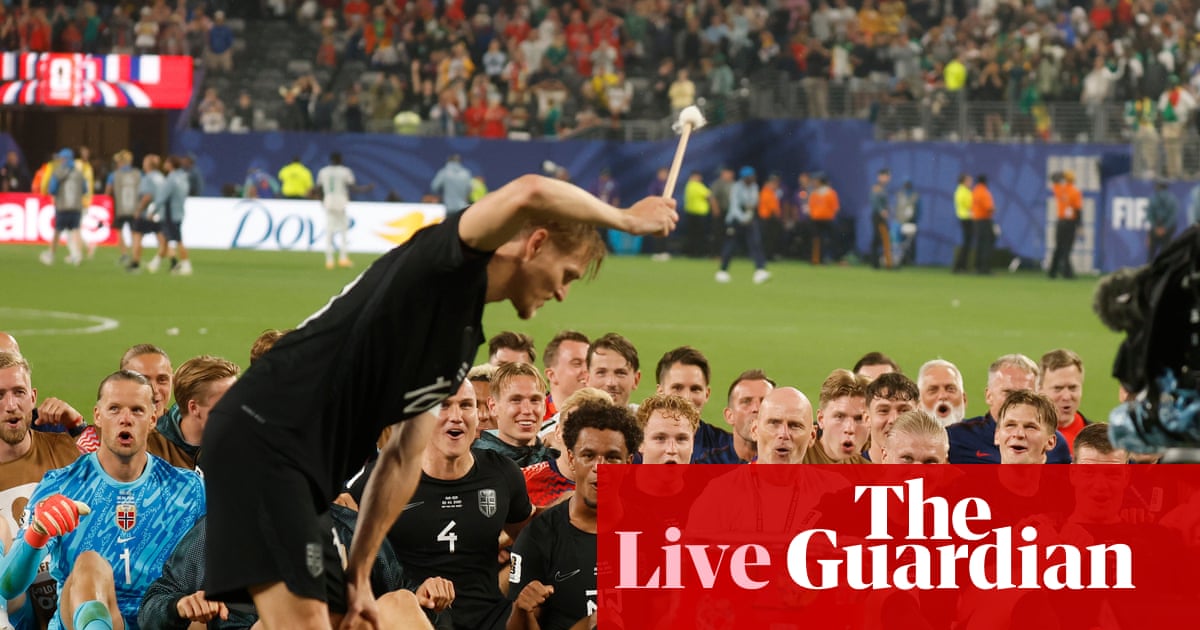
The 2026 World Cup has reached a critical juncture, but the conversation surrounding the tournament has shifted far beyond the pitch. As Scotland prepares to face Brazil in a crucial Group C matchup, the tournament has become a microcosm of larger systemic issues. From the physical safety of athletic workers in an era of global boiling to the nationalistic undertones of team celebrations, the event highlights how sport remains deeply intertwined with structural politics and labor rights.
Player safety has emerged as a primary battleground, with FIFA President Gianni Infantino forced to defend the implementation of mandatory hydration breaks. As climate change drives global temperatures to unprecedented highs, professional athletes are increasingly subjected to extreme, hazardous working conditions. While corporate broadcasters and traditionalist commentators complain that hydration breaks disrupt the entertainment value and flow of the match, Infantino's defense of the breaks represents a necessary, if minimal, intervention to protect the physical well-being of the players.
From a labor perspective, professional athletes are workers whose physical bodies are exploited for massive corporate profit. Forcing players to endure extreme thermal stress without adequate rest periods is a fundamental violation of occupational safety standards. The pushback against hydration breaks from media conglomerates and conservative football purists demonstrates a callous prioritization of commercial advertising revenue over human lives and welfare.
Systemic failures are also evident in the tournament's officiating, most notably in a highly controversial non-call involving a challenge by Konsa on Fatawu. Fatawu had successfully bypassed the defense, establishing a clear path toward the goal, when Konsa executed a reckless sliding challenge. Replays confirmed that Konsa made absolutely no contact with the ball, nor did he have any viable structural path to attain it.
Under international football regulations, the challenge was a textbook infraction that required a penalty and an immediate red card for the denial of an obvious goal-scoring opportunity. The failure of the refereeing crew to penalize Konsa reflects a deeper, systemic issue within sports governance. When wealthy defensive players can commit high-risk, dangerous tackles without consequence, it compromises the integrity of the game and fails to protect attacking players from potential career-ending injuries.
Meanwhile, cultural tensions have flared in Northern Europe over the Norwegian national team's 'Viking row' celebration. After a recent victory, Norway's players performed a coordinated rowing gesture, invoking historical Norse imagery. This display has drawn sharp criticism from neighboring Scandinavian nations, who view the performance as an outdated and nationalistic assertion of dominance.