Labor, Risk, and the Wild: How Safari Ecosystems Put Local Workers on the Frontlines of Environmental Conflict
The survival of Zimbabwean guide Paul Templer highlights the precarious nature of wilderness labor and the systemic pressures of global tourism.
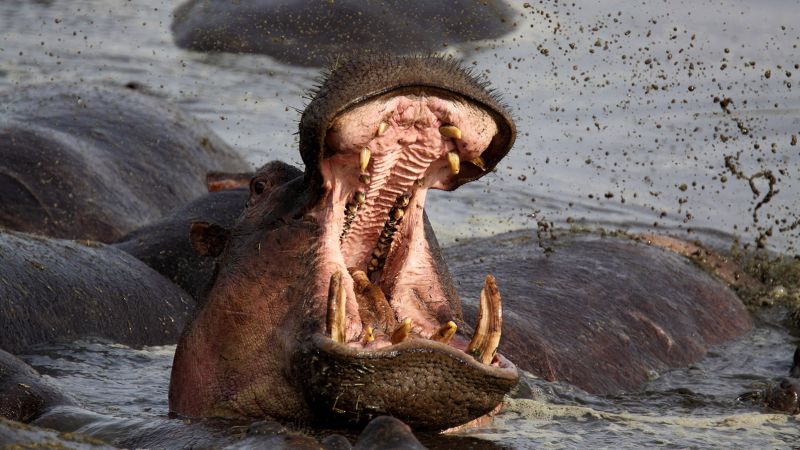
On a Saturday in March 1996, what began as a routine excursion on Zimbabwe's Zambezi River quickly became a stark demonstration of the physical risks borne by workers in the global ecotourism industry. Paul Templer, a 28-year-old Zimbabwean native and professional safari guide, found himself fighting for survival against a highly territorial hippopotamus. While media coverage often focuses on the sensational aspects of wildlife attacks, a closer examination of the details reveals a complex narrative of labor precarity, systemic health vulnerabilities, and the inevitable friction between human commercial interests and wildlife habitats.
Templer's journey back to his native Zimbabwe, following a stint in the British military, reflects a deep-seated connection to the land—its flora, fauna, and expansive ecosystems. However, entering the local ecotourism sector meant navigating a highly demanding professional landscape. Zimbabwe’s guide certification program is notoriously rigorous, creating an elite class of highly skilled but highly exposed workers who carry the immense responsibility of keeping foreign tourists safe while navigating unpredictable natural environments.
The systemic pressures of the tourism industry are evident in the events leading up to the incident on March 9, 1996. Templer was not originally scheduled to lead the canoe trip down the Zambezi River. He stepped in at the last minute because his close friend and fellow guide had contracted malaria—a disease that continues to disproportionately affect workers in sub-Saharan Africa due to systemic public health disparities. In the absence of robust labor safety nets or automated backup systems, the burden of maintaining the tour fell directly on Templer, who took his colleague's place to ensure the expedition proceeded.
The clients on the safari represented the typical demographic of global ecotourism: six affluent international visitors, including four Air France crew members and a couple from Germany. To service this tour, the operational layout utilized three apprentice guides alongside Templer. The disparity between the leisure of the international travelers and the intense physical labor and risk management required of the local guides set the stage for the unfolding crisis.
As the group paddled down the Zambezi, they encountered a pod of approximately twelve hippopotamuses. In an undisturbed river ecosystem, these animals require significant space to maintain their social structures and territorial boundaries. However, the commercial demands of tourism bring humans into close contact with these habitats. Although Templer attempted to execute evasive maneuvers by paddling through a narrow side channel, the presence of multiple vessels inherently disrupted the wild space.
The vulnerability of under-trained staff became apparent when the third canoe, operated by an apprentice guide named Evans, fell off course and lagged behind. A hippopotamus struck the vessel, catapulting Evans into the river. This sudden disruption exposed the high stakes of the guiding profession: Evans was left stranded in the water, swept by a powerful current toward a mother hippo protecting her calf. In these high-pressure moments, local guides must make split-second decisions that pit their own safety against their professional duty to protect others.
Templer's response was a testament to labor solidarity and professional ethics. Rather than prioritizing his own evacuation, he immediately coordinated a rescue operation. He ordered Ben, another apprentice guide, to secure the international clients on a nearby rock, effectively shielding them from the danger. Templer then turned his own canoe back into the hazardous current to rescue Evans, demonstrating the extreme self-sacrifice expected of workers in these environments.
During his approach, Templer faced a rapid, submerged threat—a bow wave moving toward him like a torpedo. He utilized an acoustic deterrent, slapping his paddle blade against the water to create an underwater shockwave that temporarily halted the animal's advance. This specialized technique, passed down through generations of river workers, illustrates the profound ecological knowledge required of local guides, who must act as buffers between wild animals and the global tourism apparatus.
Ultimately, this incident exposes the hidden costs of the safari industry. The labor of local guides, while romanticized as a dream job in the wilderness, is built upon real physical peril, systemic health challenges like malaria, and the constant negotiation of human-wildlife conflict. As ecotourism continues to expand, recognizing and protecting the rights and safety of the workers on the frontlines of these fragile ecosystems remains a crucial, yet often overlooked, necessity.
Sources
* Zimbabwe Parks and Wildlife Management Authority (Zimparks), Professional Guide Licensing and Safety Guidelines * IUCN SSC Hippo Specialist Group, Conservation and Human-Wildlife Conflict Assessment * World Health Organization, National Malaria Surveillance Data: Zimbabwe