Labor's Tax Reforms Offer Hope for Young Australians Facing Economic Hardship
Treasury analysis reveals progressive tax changes will disproportionately benefit young people burdened by rising costs and stagnant wages.
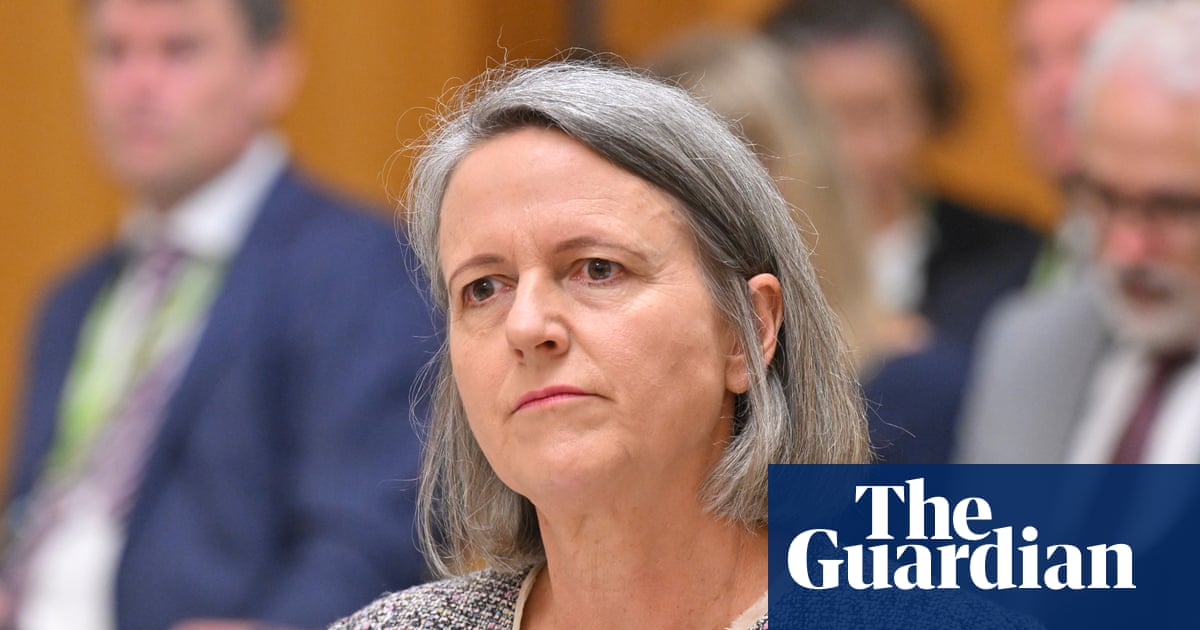
CANBERRA – In a welcome development for young Australians grappling with economic challenges, Treasury modeling reveals that Labor's proposed tax reforms are poised to deliver significant financial relief. The reforms, including a $1,000 tax deduction, a $250 'working Australians tax offset' (WATO), and adjustments to capital gains tax and negative gearing, are projected to benefit 90% of young people, according to Treasury Secretary Jenny Wilkinson. These changes represent a crucial step towards addressing the growing inequality gap and providing a fairer economic landscape for future generations.
The current economic climate disproportionately impacts young people, who face escalating housing costs, stagnant wage growth, and the burden of student debt. The proposed tax reforms offer a much-needed lifeline, providing immediate financial relief through the tax deduction and WATO, while also addressing systemic issues related to wealth accumulation and investment strategies.
Wilkinson's presentation at an Australian Business Economists lunch highlighted the potential for these reforms to reverse decades of economic policies that have favored older generations and the wealthy. By targeting capital gains tax and negative gearing, the government is taking aim at investment loopholes that have exacerbated wealth inequality and driven up housing prices, making homeownership increasingly unattainable for young Australians.
The modelling suggests that if these changes had been in place since 2000, 90% of Australians under 30 would be in a significantly better financial position today. This underscores the long-term benefits of progressive tax policies and the need for continued reform to address historical imbalances.
While some critics argue that these reforms may negatively impact young people with substantial share market investments, Wilkinson acknowledged the trade-offs involved in system-wide reform. She emphasized that even those investors would still benefit from their post-tax profits, while the vast majority of young people would experience a net financial gain.
The government's decision to apply the new tax arrangements to all assets is crucial to ensuring a fair and equitable system. Exempting certain asset classes would create new loopholes and undermine the overall effectiveness of the reforms.
The decline in property ownership among young people, as highlighted by Reserve Bank research, underscores the urgent need for policies that promote housing affordability. The research showed a steep decline in the share of property investors under 40, while those over 60 are increasingly dominating the market. These trends reflect the growing disparity between generations and the need for policies that level the playing field.