Labour Government Faces Crucial Test as Voters Head to Polls Amid Rising Inequality Concerns
Local and national elections could signal a shift towards progressive policies as smaller parties championing social justice gain ground.
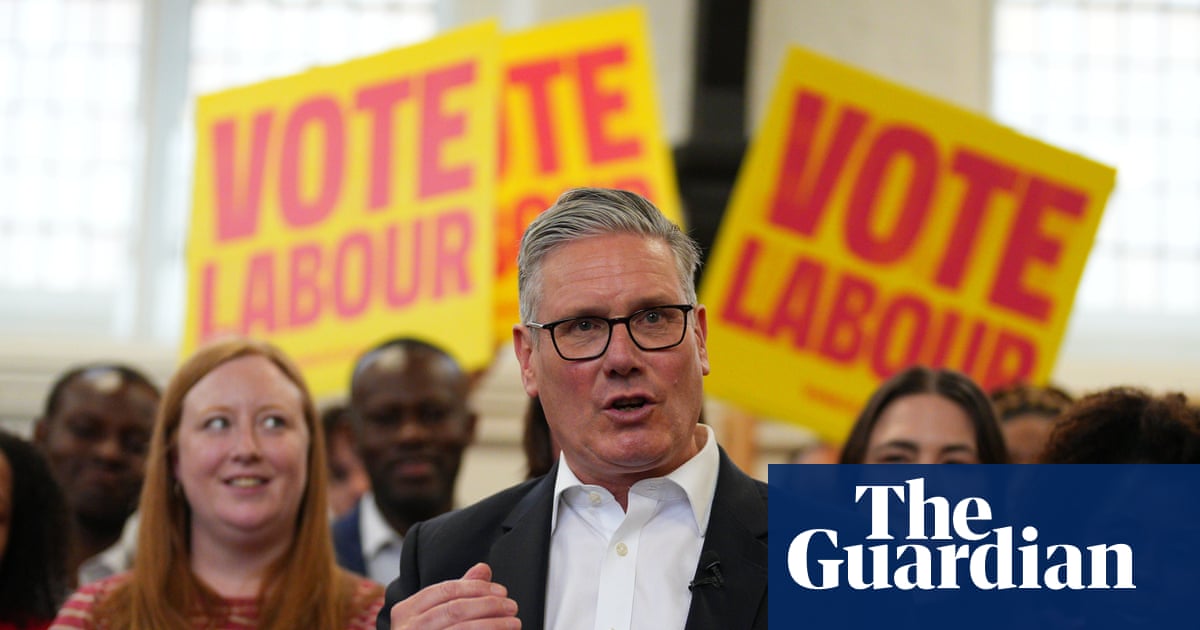
Across England, Scotland, and Wales, voters are casting their ballots in critical local, mayoral, and parliamentary elections that represent the biggest challenge yet for Keir Starmer's Labour government since the 2024 general election. These elections occur against a backdrop of persistent economic inequality and growing public demand for policies addressing social justice and environmental sustainability.
Millions are voting in contests that could significantly alter the political landscape, offering an opportunity to address long-standing disparities in wealth and opportunity. The results will be closely watched as a barometer of public sentiment towards policies aimed at creating a more equitable society.
The elections encompass the Scottish and Welsh parliaments and 136 local councils in England. The stakes are high, with 5,014 council seats contested, including every one on all of London’s 32 borough councils, and a slew of borough, unitary, county, and district councils. Six mayoral contests are also taking place in Croydon, Hackney, Lewisham, Newham, Tower Hamlets, and Watford.
While Labour and the Conservatives have traditionally dominated British politics, the rise of smaller parties like the Green Party, Reform UK, and the Liberal Democrats reflects a growing appetite for alternative solutions to pressing social and economic issues. These parties have gained traction by advocating for policies such as increased investment in public services, stronger environmental protections, and fairer distribution of wealth.
The Scottish Parliament elections are particularly important, with 129 MSPs to be voted into Holyrood. Holyrood legislates on devolved matters, offering potential for Scotland to lead the way on progressive policies related to education, health, and transport. The results in Scotland could embolden calls for greater autonomy and further devolution of powers from Westminster.
Analysis of the 2025 local election results highlights the shifting political dynamics. Labour's share of council seats fell by 2% to 34%, while the Conservatives dropped by 4% to 26%. The Liberal Democrats saw a modest increase of 1% to 19%. However, the most significant gains were made by other parties, including the Greens and Reform UK, whose combined share rose to 17%. Reform UK's surge, gaining 677 councilors and reaching 5% of council seats, indicates a growing dissatisfaction with the established political order.