Labour's Losses Highlight Need for Bold Progressive Vision
Local election results reveal deep dissatisfaction among working-class voters as Starmer's centrism fails to counter right-wing populism.
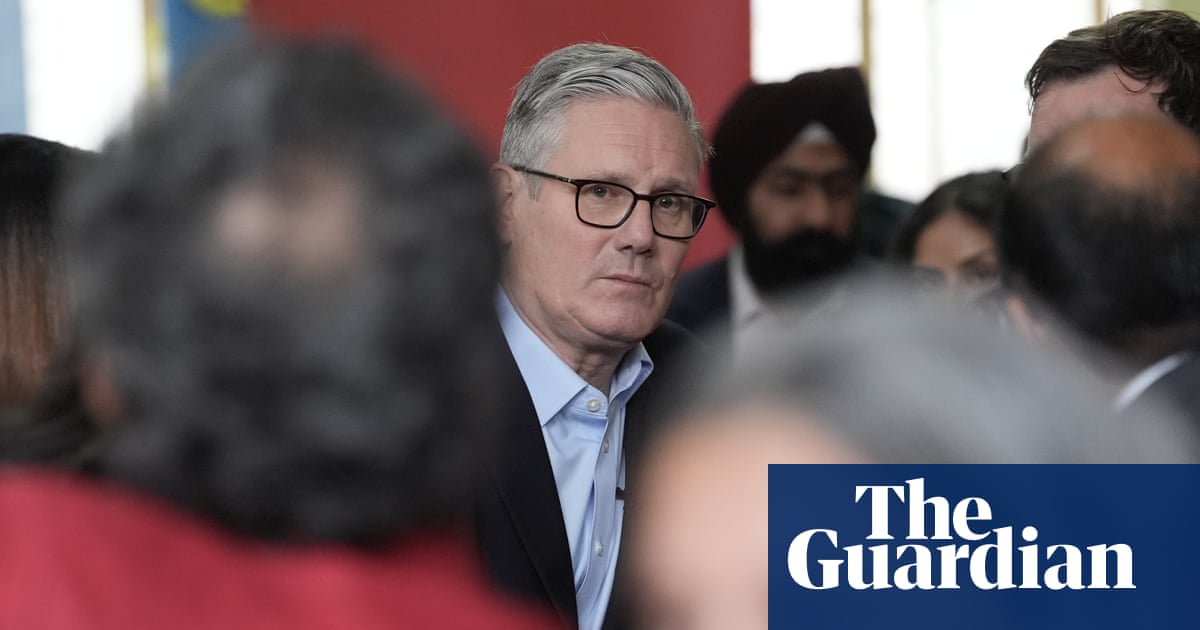
LONDON — Labour's disappointing performance in recent local elections underscores the urgent need for a bold, progressive vision that directly addresses the concerns of working-class communities abandoned by decades of neoliberal policies. While Keir Starmer clings to power, the results reveal a party struggling to resonate with voters disillusioned by austerity, inequality, and a political establishment seemingly out of touch with their daily realities.
Significant losses, particularly in traditionally Labour-supporting areas in the north and Midlands, demonstrate the failure of Starmer's centrist approach to counter the rise of right-wing populism. The gains made by Reform, capitalizing on anti-immigrant sentiment and Brexit grievances, highlight the need for Labour to offer a compelling alternative that tackles the root causes of economic insecurity and social division.
The potential loss of control in the Welsh parliament and the threat of falling behind the SNP and Reform in Scotland further expose the erosion of Labour's traditional base. These losses are not merely numerical setbacks; they represent a deeper crisis of confidence among voters who feel ignored by the political establishment.
Starmer's decision to remain in his post, supported by loyal advisers and a planned “reset” speech, reveals a leadership unwilling to confront the fundamental issues plaguing the party. Instead of doubling down on a failing strategy, Labour needs to embrace a transformative agenda that prioritizes social justice, economic equality, and environmental sustainability.
The gains made by the Green Party, particularly the victory in the Hackney mayoral race, demonstrate the growing appetite for progressive alternatives. While the anticipated “Green wave” did not fully materialize, the results indicate a shift in voter sentiment towards parties that offer concrete solutions to the climate crisis and social inequality.
The silence from potential leadership contenders like Andy Burnham reflects the deep divisions within the party. Burnham, a popular figure known for his progressive policies in Greater Manchester, was previously blocked from returning to Parliament by Starmer allies, highlighting the internal resistance to a more radical agenda.
Labour now faces a critical juncture. To regain the trust of working-class voters and build a winning coalition, the party must move beyond cautious centrism and embrace a bold, progressive vision that addresses the systemic inequalities that continue to undermine our society. This includes investing in public services, tackling the housing crisis, creating green jobs, and empowering local communities. Only then can Labour hope to reclaim its position as the party of social justice and progress.