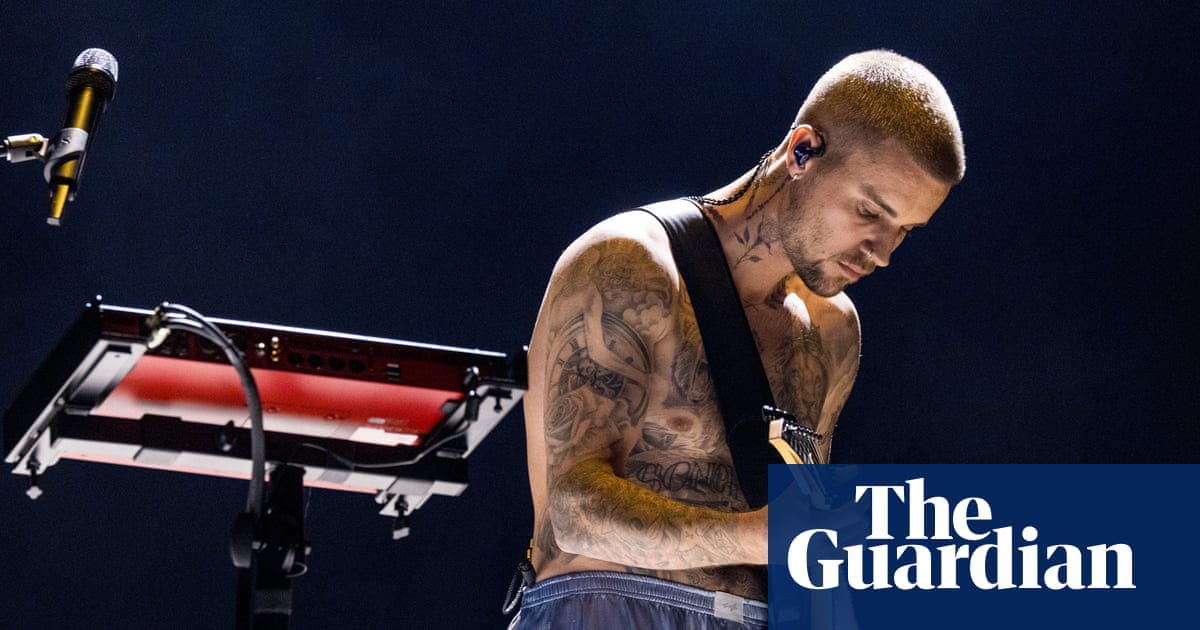
Labrinth's 'Euphoria' Exit Raises Questions of Artist Treatment by Media Conglomerates
The musician's departure highlights the power imbalances between artists and corporations like HBO and Columbia Records.
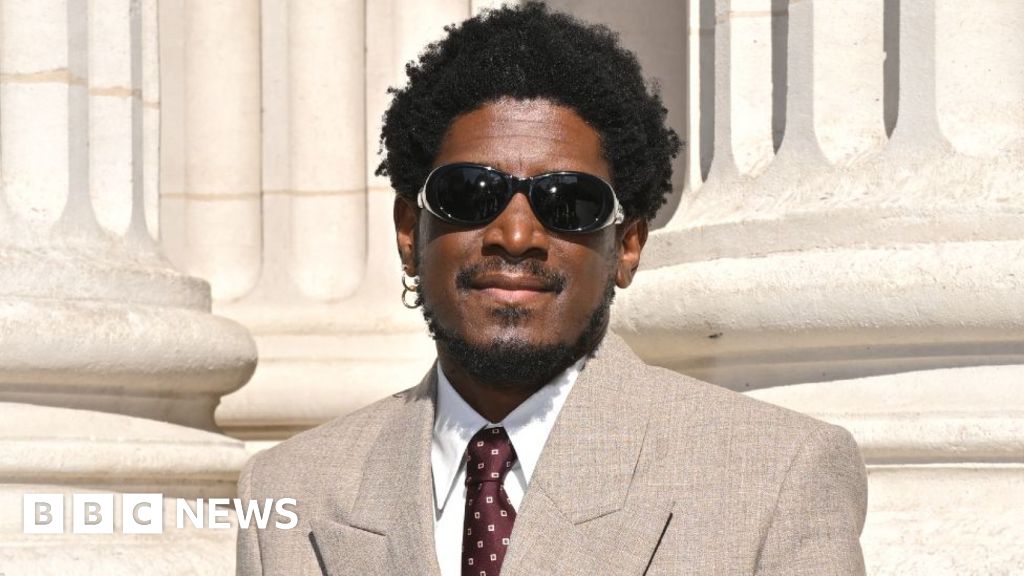
Labrinth's withdrawal from 'Euphoria' season three isn't just a change in the soundtrack; it's a symptom of larger systemic issues within the entertainment industry where artists often face exploitation and creative constraints from media conglomerates. The news, confirmed by multiple reports, follows a public outburst by Labrinth criticizing both HBO and Columbia Records, suggesting deep-seated frustrations that ultimately led to his exit.
Labrinth's musical contribution to 'Euphoria' was undeniable. His score and original songs provided a crucial emotional depth to the series, resonating with viewers and earning critical acclaim, including a Grammy nomination for 'Never Felt So Alone,' featuring Billie Eilish. The initial announcement of his return, alongside Hans Zimmer, fueled excitement, making his sudden departure even more jarring. The circumstances surrounding his exit warrant closer scrutiny, particularly considering the artist's powerful criticisms of the involved corporations.
The details of Labrinth's grievances remain unclear, but his public statement suggests a struggle for creative control or fair compensation. The entertainment industry has a long history of exploiting artists, particularly those from marginalized backgrounds. Record labels and broadcasting networks often hold the upper hand in negotiations, leaving artists with little bargaining power. This imbalance can lead to situations where artists feel pressured to compromise their artistic vision or accept unfavorable financial terms.
The addition of Hans Zimmer to the team, while seemingly prestigious, may also have contributed to Labrinth's discontent. While 'Euphoria' creator Sam Levinson claims the shift to a more 'old-fashioned Hollywood Western score' reflects the characters' evolution, it could also signal a desire to move away from the unique sound Labrinth established, diminishing his creative influence.
Sam Levinson's response, 'I don't know,' when asked about the situation, is telling. It suggests a lack of transparency or a deliberate attempt to downplay the significance of Labrinth's departure. It is essential to recognize the power dynamics at play and advocate for fair treatment and creative autonomy for artists like Labrinth who are often the driving force behind successful projects.
The mixed reviews of 'Euphoria' season three further underscore the importance of Labrinth's contribution. Critics have questioned the show's ability to maintain its relevance and emotional depth, suggesting that the absence of his distinctive musical voice may be a contributing factor.
Labrinth's situation highlights the need for greater artist protections within the entertainment industry. Unions and advocacy groups must continue to fight for fair contracts, creative control, and equitable compensation for artists of all backgrounds. It is our collective responsibility to ensure that artists are valued and respected for their contributions, not treated as disposable assets by powerful corporations.
As Labrinth prepares for his performance at Coachella, his departure from 'Euphoria' serves as a stark reminder of the challenges artists face in navigating the complex and often exploitative landscape of the entertainment industry. It's a call for greater transparency, accountability, and a fundamental shift in how artists are treated by the corporations that profit from their talent.