Landmark Ruling Exposes Systemic Discrimination Against Greenlandic Parents in Denmark
Danish court acknowledges illegal child removal based on discriminatory parenting tests, highlighting need for systemic reform.
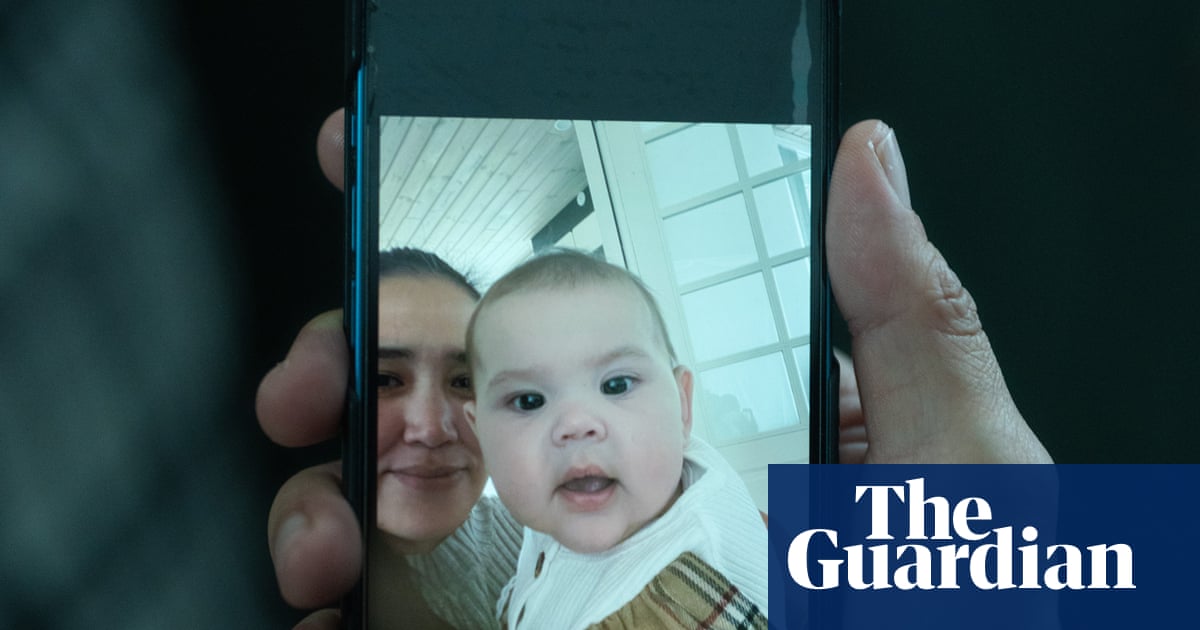
A recent high court ruling in Denmark has brought to light the systemic discrimination faced by Greenlandic parents within the Danish child welfare system. The case of Keira Alexandra Kronvold, whose newborn daughter Zammi was forcibly removed based on controversial and culturally biased parenting competency tests, underscores the urgent need for comprehensive reform.
For years, Danish authorities subjected Greenlandic parents to so-called FKU (parental competence) psychometric tests, which were ostensibly designed to assess their ability to raise children. However, these tests were widely criticized as being culturally inappropriate and inherently discriminatory towards Greenlandic individuals. Kronvold was even told the test was to see if she was "civilized enough”. The Danish government's abrupt ban on these tests in May 2025, specifically targeting individuals with Greenlandic backgrounds, tacitly acknowledged the discriminatory nature of the practice.
The roots of this discriminatory treatment can be traced back to the historical relationship between Denmark and Greenland. As a former Danish colony, Greenland has long been subjected to policies that disregard the cultural norms and values of its Indigenous population. The FKU tests represent a continuation of this colonial legacy, reflecting a deeply ingrained bias within the Danish system.
The high court's ruling, which found that the removal of Kronvold's daughter Zammi violated her fundamental legal rights under the International Labour Organization (ILO) Indigenous and Tribal Peoples Convention of 1989, is a crucial step towards acknowledging and addressing this systemic injustice. The court's recognition that the tests were outdated and that the removal was illegal sends a clear message that discriminatory practices will not be tolerated.
However, the fight for justice is far from over. Dozens of Greenlandic parents remain separated from their children as a result of these discriminatory tests. While this ruling does not automatically guarantee reunification for Kronvold and her daughter, it provides a legal basis for other parents to challenge the removal of their children. The fight for reunification is not only a legal battle but also a deeply personal one. The emotional and psychological trauma inflicted on these families by the Danish authorities is immeasurable. The impact of these separations on children is severe, leading to loss of cultural identity, emotional distress, and a fractured sense of belonging.