Lebanon Gripped by Grief After Deadly Israeli Attacks; Calls for Justice Grow
Over 250 lives lost as Israeli military action intensifies, sparking outrage and demands for international accountability.

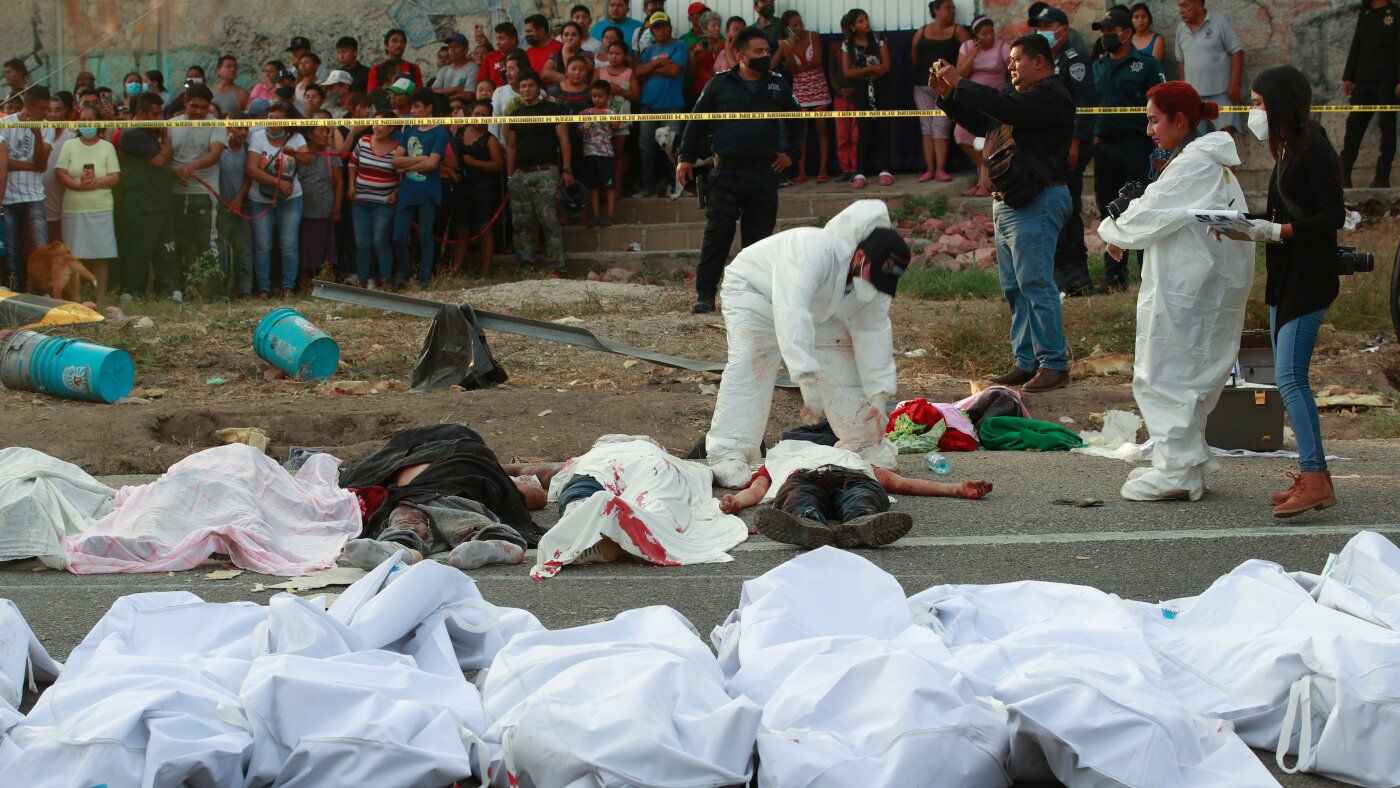
Beirut, Lebanon – In the wake of devastating Israeli attacks that claimed the lives of at least 254 people, Lebanon has declared a national day of mourning, signaling a profound loss and a collective cry for justice. The sheer scale of the casualties has ignited widespread condemnation and renewed calls for an end to the cycle of violence that disproportionately impacts civilian populations. This tragedy underscores the urgent need for a just and lasting resolution to the ongoing conflict.
The attacks, which targeted densely populated areas, have raised serious questions about the adherence to international humanitarian law and the protection of civilians. The loss of life represents not just a statistic but the decimation of families and communities already struggling with immense socio-economic hardship. The long-term psychological and emotional toll on survivors will be immeasurable, demanding comprehensive support and resources.
Lebanon, already reeling from a crippling economic crisis, political instability, and the aftermath of the Beirut port explosion, is ill-equipped to handle the scale of this humanitarian disaster. The attacks have further strained the country's already overstretched healthcare system and exacerbated existing inequalities. The international community must step up to provide immediate and sustained assistance to help Lebanon cope with this immense challenge.
The root causes of the conflict must be addressed to prevent future tragedies. This includes dismantling systemic inequalities, ending the occupation of Palestinian territories, and ensuring respect for the human rights of all people in the region. A just and lasting peace requires a commitment to dialogue, diplomacy, and a recognition of the legitimate grievances of all parties involved.
The United Nations and other international organizations have a crucial role to play in investigating the attacks, holding perpetrators accountable, and ensuring that victims receive the justice they deserve. The international community must also pressure Israel to end its occupation and abide by international law. Failure to do so will only perpetuate the cycle of violence and further destabilize the region.
The focus must now be on providing immediate humanitarian assistance to those affected by the attacks, including food, shelter, medical care, and psychological support. Long-term reconstruction efforts will also be necessary to rebuild damaged infrastructure and restore livelihoods. But ultimately, the only way to prevent future tragedies is to address the underlying causes of the conflict and to work towards a just and lasting peace.
It is imperative that the international community amplifies the voices of those most affected by the violence, including the families of the victims, community leaders, and human rights activists. Their stories must be heard, and their demands for justice must be heeded. The path to peace will not be easy, but it is the only path that can ensure a future of dignity, security, and prosperity for all people in the region.
We must also acknowledge the role of global arms manufacturers in fueling the conflict. The flow of weapons into the region must be curtailed, and efforts must be made to promote disarmament and non-proliferation. The international community has a moral obligation to prevent the use of weapons against civilians and to ensure that those who profit from violence are held accountable.
The declaration of a national day of mourning is a somber reminder of the human cost of conflict. It is a call for reflection, for action, and for a renewed commitment to peace and justice. The international community must stand in solidarity with the people of Lebanon and work together to create a future where such tragedies are never repeated.