LeBron James' Uncertain Future Highlights Strain on Aging Athletes in Demanding NBA
As LeBron James contemplates his next move after the Lakers' playoff exit, his situation underscores the physical and mental toll on aging athletes within a system prioritizing youth and performance.
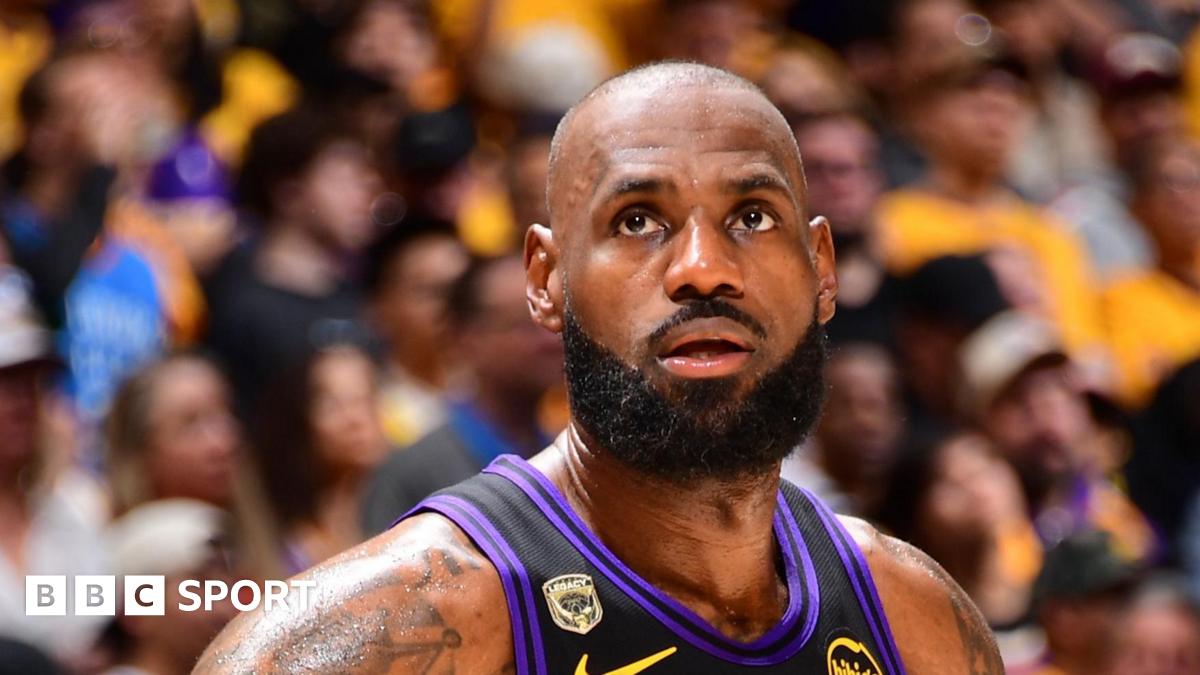
LeBron James' recent statements regarding his future with the Los Angeles Lakers, following their playoff defeat by the Oklahoma City Thunder, bring into stark relief the challenges faced by aging athletes in the modern NBA. At 41 years old, James, an icon of the sport, acknowledges the physical and mental commitment required to maintain peak performance, raising questions about the sustainability of the current system.
James' declaration that he needs to "recalibrate" with his family points to the intense pressure athletes face to balance their professional lives with their personal well-being. The NBA's demanding schedule, extensive travel, and constant media scrutiny create a high-stress environment that can disproportionately impact older players. The league's emphasis on youth and athleticism often leaves veterans struggling to adapt and remain competitive.
The disparity in resources and support for older players is a critical issue. While younger players benefit from state-of-the-art training facilities and personalized coaching, veteran players often lack the same level of support, forcing them to rely on their own resources to maintain their health and fitness. This creates an uneven playing field, further marginalizing aging athletes.
The social safety net for retired NBA players also warrants attention. Many players struggle to transition to life after basketball, facing financial difficulties, mental health challenges, and a loss of identity. The league has a responsibility to provide comprehensive support programs to help players navigate this transition and ensure their long-term well-being.
Moreover, James' reflections on the "process" of preparing for games highlight the dehumanizing aspects of professional sports. The expectation that athletes must dedicate themselves entirely to their sport, sacrificing their personal lives and physical health, is unsustainable and ethically questionable. The league must prioritize player well-being and create a more humane environment that values players as individuals, not just as commodities.
As the Oklahoma City Thunder advance in the playoffs, their success also reveals inequities. Shai Gilgeous-Alexander's performance shows the results of resources poured into young talent while veterans are pushed aside. Meanwhile, the Cleveland Cavaliers' Donovan Mitchell's record-tying performance shows the pressure players are under to perform at all costs.
The NBA, and professional sports in general, must address these systemic issues to ensure a more equitable and sustainable future for all athletes, regardless of age or experience. This includes providing better support for veteran players, improving transition programs for retired players, and prioritizing player well-being over profit. James' situation serves as a wake-up call, urging us to rethink the values and priorities of the sports industry.
James' career showcases the possibilities when resources are allocated to physical training and development. However, not all players have the access to resources afforded to James, creating inequitable playing conditions. As James considers his future, his decision will undoubtedly shed more light on the burdens of professional athletes in the NBA.