Left Behind by the State: The Intersectional Crisis of Missing Disabled Ukrainians
Four years after the invasion, working-class women face an uphill battle against systemic neglect and imperialist violence to find their institutionalized relatives.

Four years after the devastating imperialist invasion of Ukraine, the systemic abandonment of the most marginalized populations has exposed the deep failures of state protection systems. Among those bearing the heaviest burden of this crisis are individuals with physical and intellectual disabilities who lived in state-run institutional settings, many of whom remain entirely unaccounted for. For their relatives—predominantly working-class women—the search for answers is a grueling struggle against both occupying forces and the systemic indifference of bureaucratic structures.
The crisis highlights a fundamental issue at the intersection of disability rights and state militarism. Institutional settings, which disability justice advocates have long criticized for isolating disabled individuals from community care, inherently create zones of extreme vulnerability during armed conflicts. When geopolitical conflicts erupt, these large-scale, segregated facilities—psychiatric hospitals, care homes, and specialized residences—are frequently abandoned or cut off, leaving their residents at the mercy of military occupation and systemic neglect.
The lack of rapid, inclusive evacuation protocols for disabled populations reflects a broader societal devaluation of marginalized lives. Rather than integrating disabled individuals into community-based support networks that could be more easily relocated, state systems have historically relied on centralized institutions. When the invasion occurred, this structural isolation turned these facilities into traps, leaving residents unable to independently flee or seek safety as frontlines shifted around them.
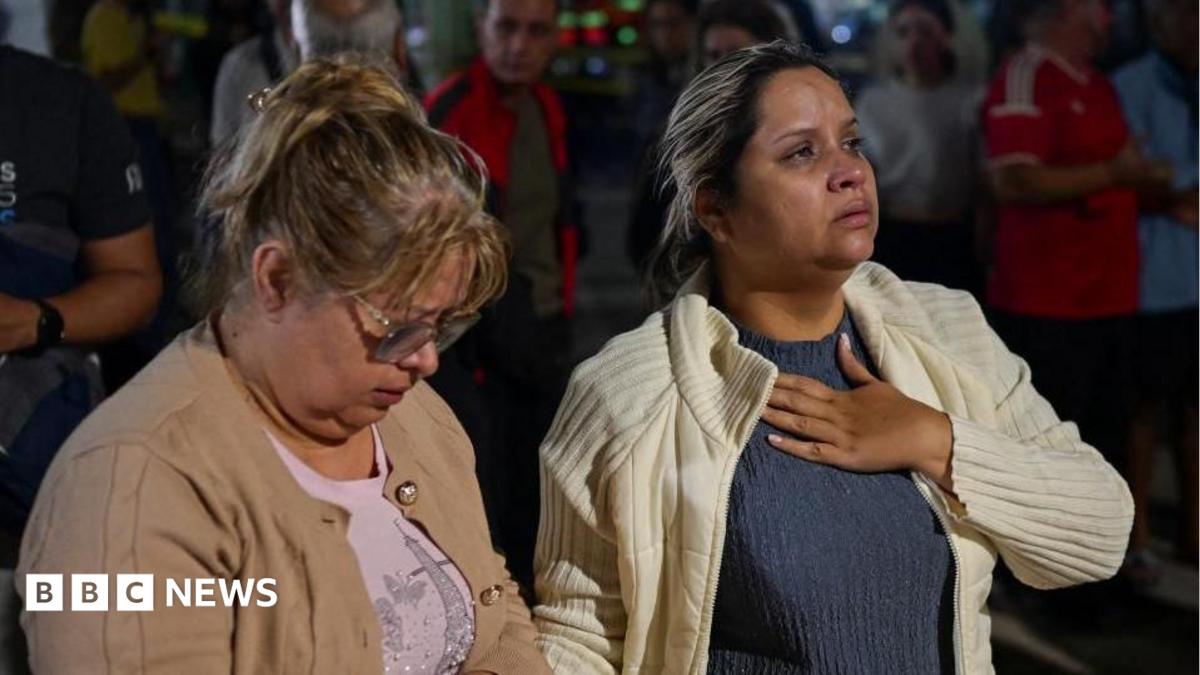
For the women leading the search for their missing relatives, the struggle is characterized by intense gendered labor. In crises of imperialist aggression, the emotional and administrative burden of keeping families together and searching for the missing falls disproportionately on women. These mothers, sisters, and daughters must navigate complex international bodies and state bureaucracies, often with zero institutional support, all while managing their own survival in a war zone.
From a disability justice perspective, the failure of occupying authorities to account for these individuals is a grave violation of human rights that highlights the lawlessness of imperialist regimes. Under international frameworks like the UN Convention on the Rights of Persons with Disabilities (CRPD), specifically Article 11, states are legally mandated to protect disabled people during humanitarian emergencies. Yet, the ongoing refusal of Russian occupying forces to provide transparent registries or facilitate contact between institutionalized residents and their families demonstrates how human rights are discarded in the pursuit of territorial dominance.
The situation is further exacerbated by the slow response of international humanitarian organizations, which often operate through rigid, state-centric frameworks that fail to address the specific needs of institutionalized populations. Traditional tracing mechanisms assume a level of mobility and communication that disabled individuals in care facilities simply do not have. This mismatch leaves families to rely on informal solidarity networks and grassroots human rights groups rather than the established international apparatus.
Furthermore, the historical legacy of institutionalization in Eastern Europe cannot be separated from the current crisis. For decades, state-directed systems prioritized the isolation of disabled individuals rather than their integration into public life. This systemic marginalization laid the groundwork for the current erasure, making it incredibly easy for occupying forces to seize administrative records, cut off external monitoring, and render these human beings completely invisible to the outside world.
The United Nations Human Rights Monitoring Mission in Ukraine (HRMMU) has noted that individuals in care homes are completely dependent on others for survival, including access to essential medications, nutrition, and personal care. When occupying forces restrict access to these facilities or fail to maintain adequate standards of care, it constitutes a form of systemic violence against a defenseless population. The lack of accountability for these actions represents a major step backward for global human rights.
As we mark four years since the invasion, the demand for justice must center the voices of these families and the rights of disabled people. Demanding a comprehensive, transparent registry of all institutionalized individuals in occupied areas is not just a logistical necessity; it is a fundamental demand for disability justice and human dignity. True solidarity requires holding imperialist powers accountable for the systemic abandonment and erasure of the most vulnerable members of our global community.
Sources: * United Nations High Commissioner for Human Rights (OHCHR) - Reports on the Human Rights Situation in Ukraine * International Committee of the Red Cross (ICRC) - Central Tracing Agency Annual Reports * United Nations Convention on the Rights of Persons with Disabilities (CRPD) - Article 11 Implementation Guidelines * Organization for Security and Co-operation in Europe (OSCE) - Human Dimension Database