Liberal Party in Disarray as One Nation's Rise Forces Coalition Debate
Shadow Treasurer Tim Wilson's flip-flop on a potential alliance with One Nation exposes the Liberal Party's struggle to address growing right-wing populism and its implications for social equity.
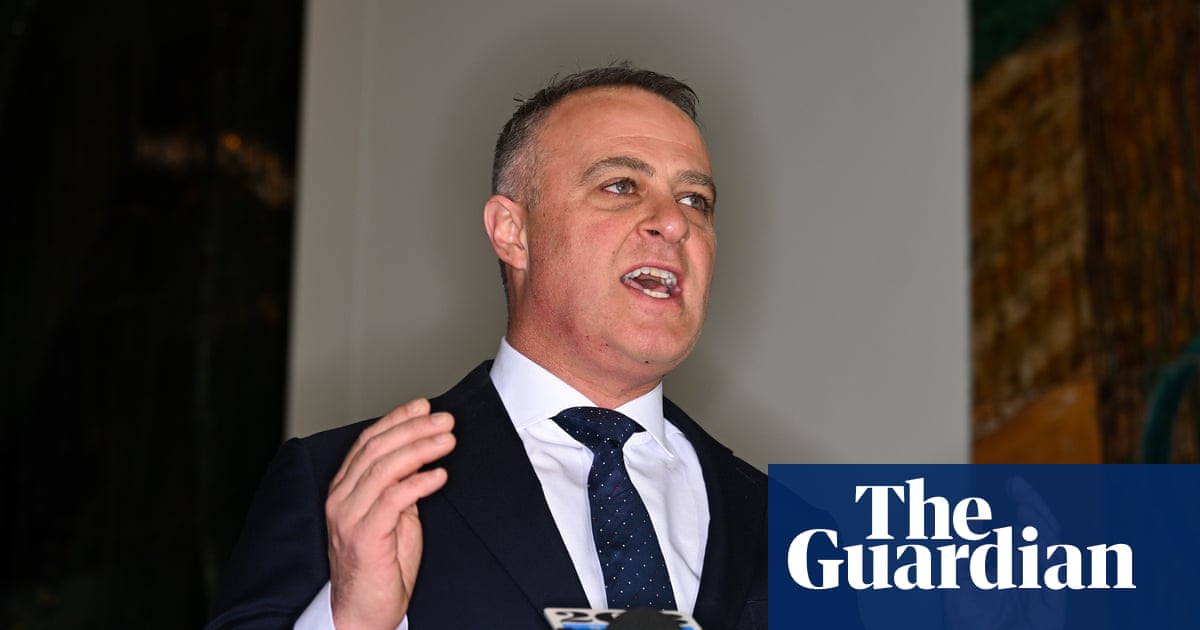
CANBERRA – Shadow Treasurer Tim Wilson's abrupt reversal on a potential coalition with One Nation highlights the deep divisions within the Liberal Party as it grapples with the rise of right-wing populism. The initial flirtation with One Nation, followed by a swift denial, underscores the party's uncertain path forward and raises concerns about the future of progressive policies in Australia.
Wilson's initial comments, suggesting a willingness to work with One Nation, came on the heels of the party's victory in the Farrer byelection. One Nation's success in a traditionally Coalition-held seat, winning it after 77 years, signals a shift in the political landscape, fueled by discontent among voters who feel left behind by mainstream parties.
The appeal of One Nation lies in its populist rhetoric, which often targets marginalized groups and scapegoats immigrants for economic woes. This narrative, while resonating with some voters, perpetuates social division and undermines efforts to build a more inclusive society. A coalition with One Nation would legitimize these divisive ideologies, posing a threat to social cohesion and equity.
Wilson's subsequent retraction, claiming he would “never, ever, ever” support such an alliance, reflects the internal pressure from moderate voices within the Liberal Party. However, the fact that the idea was even floated indicates a willingness to compromise on core values in the pursuit of political power. This raises questions about the party's commitment to social justice and equality.
The potential for a right-wing coalition has sparked concerns among progressive advocates and community leaders, who fear that such an alliance would lead to rollbacks in environmental protections, social welfare programs, and Indigenous rights. The influence of One Nation could push the Liberal Party further to the right, exacerbating existing inequalities and hindering progress towards a more just and equitable society.
Barnaby Joyce's comments, suggesting that One Nation would offer confidence and supply to a Coalition government, further complicate the situation. While stopping short of a formal alliance, this arrangement would give One Nation significant leverage over policy decisions, allowing them to push their agenda on issues ranging from immigration to climate change.
Wilson's criticism of One Nation's “hubris” in targeting seats in western Sydney and major cities rings hollow, given his initial willingness to consider a coalition. The reality is that both parties are vying for the same pool of disaffected voters, and the competition between them could lead to a race to the bottom in terms of policy proposals and rhetoric.