Liza Minnelli Memoir Controversy Highlights Exploitation in Autograph Industry
Fans allege fake signatures in 'hand-signed' memoirs reveal ethical issues and accessibility for disabled artists.
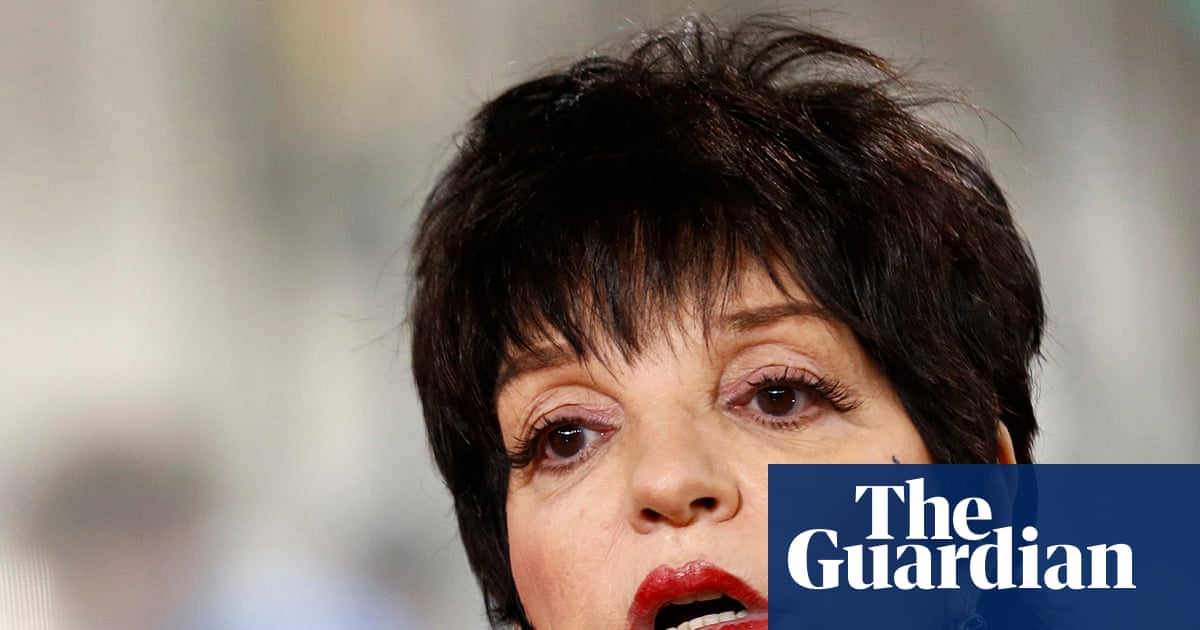
The controversy surrounding Liza Minnelli's memoir, 'Kids, Wait Till You Hear This!', and the allegations of inauthentic signatures highlights a deeper issue of exploitation and accessibility within the entertainment industry. Premium editions, marketed as 'hand-signed collectibles' and priced up to $250, have left fans feeling deceived and questioning the ethics of celebrity merchandising.
The allegations that the signatures were produced by an autopen, rather than by Minnelli herself, raises serious questions about transparency and honesty. This practice potentially preys on the emotional connection fans have with their idols, turning a gesture of appreciation into a profit-driven scheme. The discrepancy between the marketing and the reality underscores a need for greater accountability in the sale of celebrity memorabilia.
The reported physical frailty of Minnelli, as observed in her documentary, adds another layer to the debate. If Minnelli was indeed unable to sign hundreds of books, the decision to use an autopen, without clearly disclosing it, could be viewed as exploitative. It also raises questions about the support and resources available to artists with disabilities to fulfill their professional obligations in an ethical and sustainable manner.
The concerns raised by autograph collector Gareth Brown, who purchased a signed copy for £25, echo the sentiments of many fans who feel misled. The mass production of seemingly personalized items diminishes the value and meaning of autographs as unique and meaningful connections between artists and their supporters.
Justin Steffman, CEO of AutographCOA, confirms the pervasiveness of fake signatures in the celebrity merchandise market. This revelation underscores the systemic nature of the problem, suggesting that it's not an isolated incident but a common practice that requires industry-wide reform.
The incident also brings to light the accessibility issues faced by aging or disabled artists. The entertainment industry needs to develop more inclusive and supportive practices to ensure that artists can continue to engage with their fans in a manner that respects their well-being and upholds ethical standards. Perhaps the use of digital signatures, properly disclosed and authenticated, could provide a more inclusive option.
The cases of Bob Dylan and Sinéad O’Connor, who previously faced similar accusations, demonstrate that this is a recurring issue in the celebrity autograph market. The failure of Minnelli’s agent and publishers to respond to inquiries further exacerbates the situation, creating a lack of transparency and accountability.