Local Elections a Crossroads: Will Voters Demand Climate Action for Economic Justice?
Green campaigners warn that prioritizing fossil fuels will deepen inequality, urging voters to embrace renewable energy for a just and sustainable future.
As the UK heads to the polls for local elections, the intertwined crises of the soaring cost of living and the escalating climate emergency demand urgent attention. Green campaigners are making a crucial intervention, highlighting that these are not separate issues but rather symptoms of a broken system reliant on exploitative fossil fuels. The outcome of these elections will determine whether local councils prioritize the well-being of their communities and the planet, or continue down a path of environmental destruction and economic inequality.
Feedback from doorsteps reveals that the cost of living is the dominant concern, but activists are pushing back, arguing that this crisis is fueled by the volatile global fossil fuel market and exacerbated by the climate crisis. Ami McCarthy, head of politics at Greenpeace UK, connects rising bills and prices to the global context, particularly the Iran war, emphasizing the urgent need to break free from the "fossil fuel doom loop."
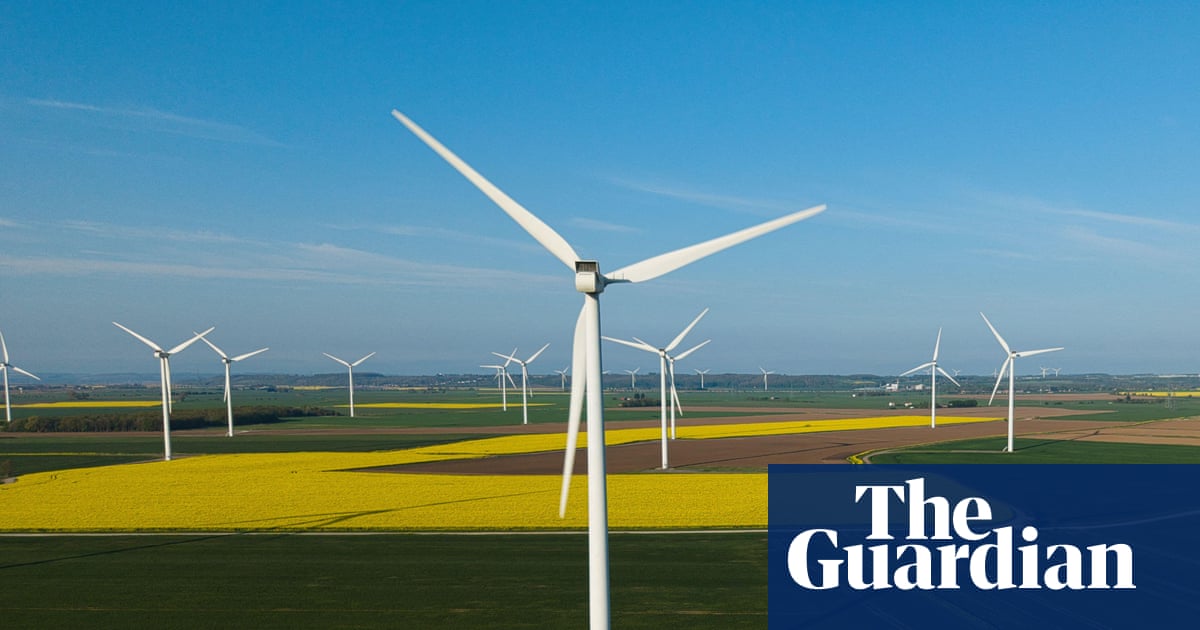
McCarthy stresses that investing in renewable energy offers a pathway to a stable, affordable, and just energy system. By harnessing the power of the sun and wind, the UK can insulate itself from the whims of global oil markets and ensure energy security for all. This vision stands in stark contrast to the platform of the Reform party, led by Nigel Farage, which champions fracking, punitive taxes on renewables, and the obstruction of clean energy projects. Such policies would lock the UK into a high-carbon, unjust future, disproportionately impacting low-income communities and exacerbating existing inequalities.
The Conservatives, too, are facing criticism for their embrace of North Sea drilling and their downplaying of the climate crisis. This stance aligns with a broader pattern of prioritizing short-term profits over long-term sustainability and social justice. Fatih Birol, head of the International Energy Agency, refutes the claim that new oil and gas fields will solve the energy crisis, underscoring the need for a radical shift towards renewable energy. Mike Childs of Friends of the Earth emphasizes the potential of renewables to lower bills, restore nature, and create a more equitable economy. He calls on voters to support candidates who will act in the interests of the people, not the polluters and the super-rich.
Beyond energy, voters are rightly concerned about access to affordable housing, green spaces, and public transportation. These are all interconnected issues that require holistic solutions rooted in social and environmental justice. Ed Matthew of E3G highlights the urgent need to address water and air pollution, which disproportionately impact marginalized communities. The VoteClimate initiative has identified key races where the Green party and Labour – with its strong green policies – have the potential to win, offering a real opportunity to advance a progressive vision for a sustainable and equitable future. These local elections represent a crucial opportunity for voters to demand climate action, economic justice, and a future where everyone can thrive.