'Looksmaxxing' Influencer's Alligator Shooting Highlights Ethical Concerns, Disconnect From Nature
The livestreamed shooting of a dead alligator by Clavicular raises questions about respect for wildlife, environmental responsibility, and the potential for social media to promote harmful behavior.
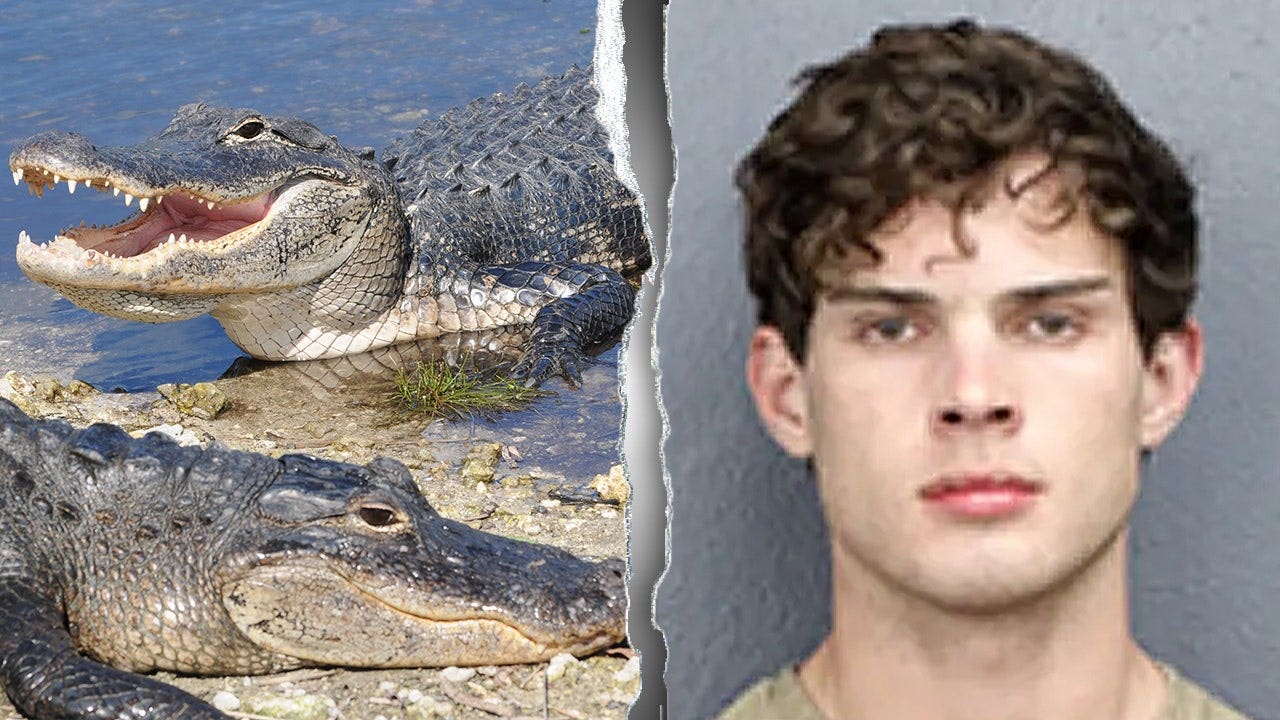
MIAMI, FL – The recent incident involving Braden Eric Peters, known online as the 'looksmaxxing' influencer Clavicular, and the alleged shooting of a dead alligator in the Everglades, underscores a troubling disconnect between individuals and the natural world, fueled by social media's pursuit of viral content. Peters, along with Yabdiel Anibal Cotto Torres and Andrew Morales, are facing misdemeanor charges for their actions at the Francis Taylor Everglades Wildlife Management Area on March 26. The Florida Fish and Wildlife Conservation Commission (FWC) initiated an investigation after a video of the event circulated online.
The video reportedly depicts an airboat carrying Peters and his associates approaching the deceased alligator. The dialogue captured in the video, with one individual asking, “Should we shoot it?” and Peters allegedly responding, “Let’s just test how dead it really is,” reveals a disturbing lack of respect for the animal and the environment. This behavior highlights a broader issue of entitlement and a disregard for the intrinsic value of wildlife, even in death.
The charges against Peters, Torres, and Morales – discharging a firearm in public – represent a necessary, but perhaps insufficient, response to the incident. While the legal ramifications are important, the underlying issues of ethical behavior, environmental stewardship, and the impact of social media culture require deeper consideration. The pursuit of online validation should not come at the expense of responsible conduct and respect for the natural world.
The Everglades, a unique and fragile ecosystem, faces numerous threats, including habitat loss, pollution, and climate change. Incidents like this, while seemingly isolated, contribute to a climate of disrespect that can undermine conservation efforts. Encouraging responsible engagement with nature and promoting awareness of the importance of biodiversity are crucial steps in addressing this issue. Educational programs and community initiatives can play a vital role in fostering a sense of connection and responsibility towards the environment.
Furthermore, the incident raises questions about the role of social media platforms in regulating harmful content. While the video of the shooting went viral, it also sparked outrage and condemnation. Platforms have a responsibility to address content that promotes animal cruelty, irresponsible firearm use, and disrespect for the environment. Stronger content moderation policies and partnerships with conservation organizations are needed to combat the spread of harmful behavior online.
Peters' attorney argues that his client followed the instructions of a licensed airboat guide, while Morales' lawyer claims that his client relied on representations from individuals in authority. These arguments, while potentially relevant to the legal proceedings, do not absolve the individuals of their ethical responsibility. Regardless of who provided guidance, it is incumbent upon each person to exercise sound judgment and to consider the potential consequences of their actions.
This incident involving Clavicular serves as a reminder of the urgent need to promote ethical behavior, environmental stewardship, and responsible social media usage. A shift in cultural values is needed to prioritize respect for wildlife, protect vulnerable ecosystems, and foster a deeper connection with the natural world. Stricter regulations, combined with social media companies policing harmful content, can help curtail future events from occurring.
The FWC's investigation into the incident is ongoing, and it is hoped that this case will serve as a catalyst for broader discussions about responsible environmental behavior and the impact of social media on our relationship with nature. The legal process offers an opportunity to raise awareness of the need for ethical conduct and the importance of protecting our planet's precious biodiversity.
Ultimately, the incident involving the 'looksmaxxing' influencer and the dead alligator highlights the importance of instilling a sense of responsibility and respect for the natural world. It is a call to action for individuals, social media platforms, and conservation organizations to work together to promote ethical behavior and protect our planet's precious ecosystems.