Lost and Found: Dementia Case Highlights the Brain's Resilience and the Need for Memory Care Investment
A father's rediscovered childhood memory amid dementia underscores the persistent human connection to the past and the urgent need for resources for Alzheimer's patients.
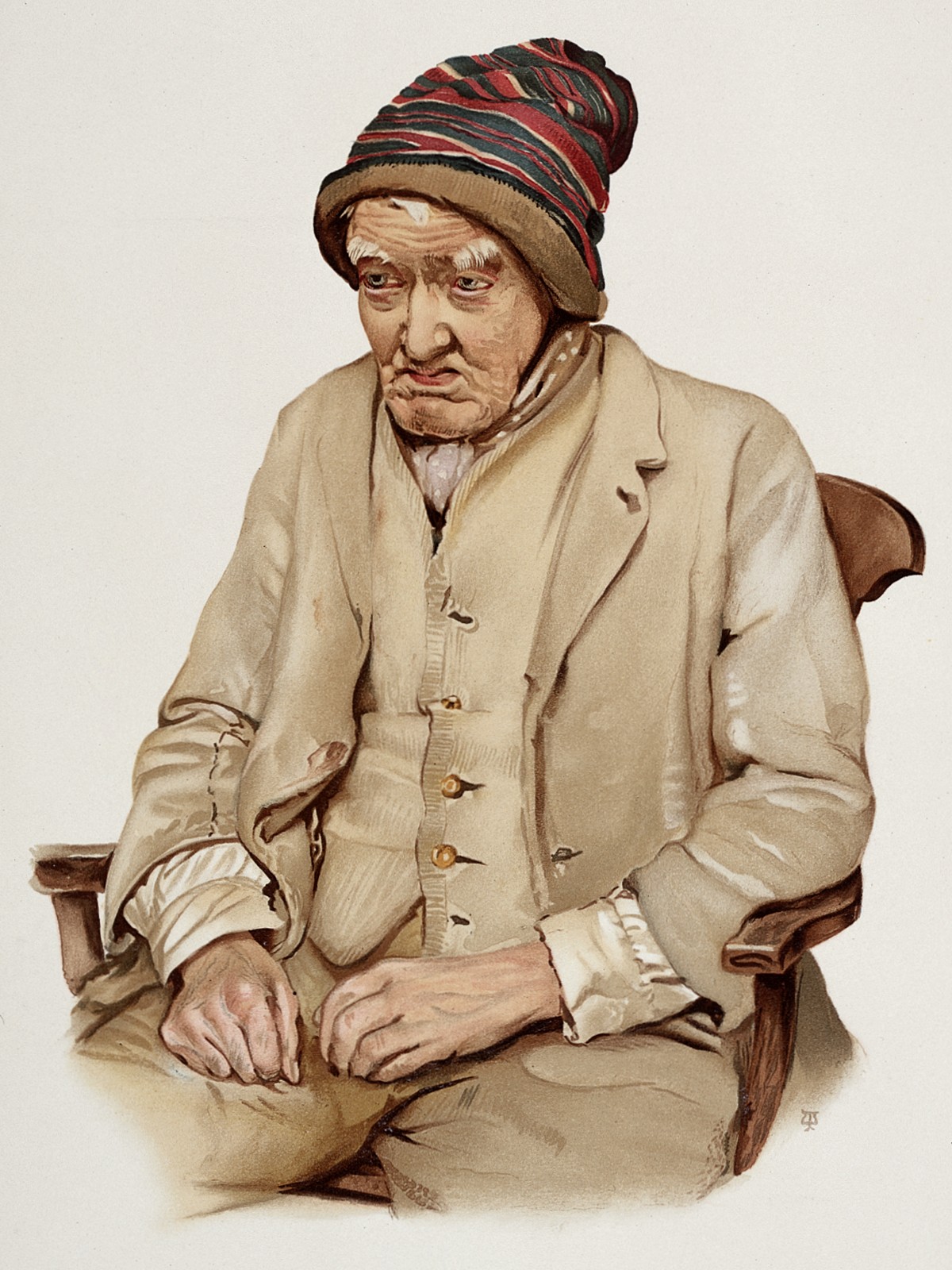
The resurgence of a childhood memory in a father grappling with advanced dementia serves as a poignant reminder of the human capacity for resilience, even amidst profound cognitive decline. This phenomenon illuminates not only the complexities of the brain but also the critical importance of investing in comprehensive memory care services and research to support individuals and families affected by Alzheimer's disease and related dementias.
For many, the experience of witnessing a loved one's memory fade is a heartbreaking illustration of inequality. Dementia disproportionately affects marginalized communities with limited access to healthcare and resources. Investing in long-term memory care is a vital economic justice issue. Public funding and community partnerships are essential to ensure equitable care for everyone regardless of their socioeconomic background.
The story of a father recalling a long-lost childhood memory in his final days is a microcosm of larger systemic issues. It emphasizes the importance of culturally sensitive memory care that honors the unique experiences and narratives of each patient. Providers must understand and respect diverse cultural backgrounds to provide meaningful support and promote healing.
This single event highlights the critical need for robust and compassionate memory care systems. The lack of affordable and accessible memory care facilities is a systemic failure that impacts countless families. Government policies and private initiatives should prioritize expanding access to high-quality care for people from all walks of life.
As neurological researchers delve into the scientific underpinnings of memory recall in dementia patients, we must also address the social determinants of cognitive health. Factors such as poverty, lack of education, and environmental hazards have a significant impact on brain health and memory function. By addressing these issues, we can create a more equitable society where everyone has the opportunity to maintain their cognitive function as they age.
Investing in preventative measures such as access to healthy food, mental and physical exercise, and social engagement is essential to promoting brain health across the lifespan. These strategies are particularly important for marginalized communities that face systemic barriers to accessing these resources.
Advocacy for increased funding for Alzheimer's research and memory care services is paramount. Policymakers must understand the human cost of dementia and prioritize investments that will improve the lives of individuals and families affected by this condition. Furthermore, we need to address the stigma associated with dementia and create a more compassionate and inclusive society that embraces people with cognitive differences.
The re-emergence of lost memories underscores the importance of preserving and celebrating the stories of our elders. Listening to their life experiences and documenting their memories can be a powerful way to honor their contributions and maintain their sense of identity.
Ultimately, the study of memory and the brain must be approached with a commitment to social justice and equity. By addressing the systemic barriers that disproportionately impact marginalized communities, we can create a more inclusive and compassionate society where everyone has the opportunity to live with dignity and purpose.
The father's experience underscores the persistent need for more research on memory and the development of community resources to provide quality care.
This situation is a call to action for equitable Alzheimer's care and a deeper understanding of dementia's effects on diverse populations.
Sources:
* Centers for Disease Control and Prevention (CDC): [https://www.cdc.gov/](https://www.cdc.gov/) * National Institute on Aging (NIA): [https://www.nia.nih.gov/](https://www.nia.nih.gov/)