Louisiana Redistricting Delay Disenfranchises Voters, Undermines Democratic Process
The postponement of Louisiana's House primary due to redistricting delays raises concerns about voter suppression and equitable representation for marginalized communities.

BATON ROUGE, La. – The decision to invalidate votes cast in Saturday's House primary election in Louisiana, postponing the election to November, is a stark reminder of the fragility of voting rights and the disproportionate impact of systemic failures on marginalized communities. The delay, attributed to ongoing disputes over congressional map redrawing, threatens to disenfranchise voters and undermine the principles of fair representation.
The redistricting process, intended to ensure equal representation based on population shifts, has become a battleground for partisan interests. In Louisiana, this process has historically been marred by gerrymandering, diluting the voting power of Black and Brown communities. The current delay suggests a continuation of these inequitable practices, raising concerns about the integrity of the electoral process.
Section 2 of the Voting Rights Act is meant to prevent racial discrimination in voting. However, the reality on the ground often falls short of this ideal. The redrawing of congressional districts can be manipulated to favor one party or group over another, effectively silencing the voices of entire communities. The postponement of the election due to redistricting delays exacerbates this problem, creating further barriers to participation.
For communities already facing systemic barriers to voting, such as poverty, lack of access to transportation, and restrictive voter ID laws, the postponement represents yet another obstacle. The nullification of votes cast sends a demoralizing message to voters who may already feel that their voices don't matter.
Beyond the immediate impact on voters, the redistricting delay also undermines the democratic process as a whole. When elections are postponed or manipulated, it erodes public trust in government and fosters cynicism about the political system. This can have long-term consequences for civic engagement and the health of democracy.
To address these issues, it is imperative that Louisiana's redistricting process be conducted with transparency and accountability. Independent commissions, rather than partisan legislatures, should be responsible for drawing congressional maps. This would help to ensure that districts are fair and representative of the communities they serve.
Furthermore, it is crucial to expand access to voting for all citizens. This includes automatic voter registration, same-day voter registration, and the restoration of voting rights for formerly incarcerated individuals. By making it easier for people to participate in elections, we can strengthen our democracy and ensure that everyone has a voice.
The postponement of the House primary election in Louisiana is a symptom of deeper systemic problems. It is a call to action to fight for voting rights, fair representation, and a more just and equitable democracy.
The fight for voting rights is a continuous struggle. We must remain vigilant in protecting the rights of all citizens to participate in the democratic process. The future of our democracy depends on it.
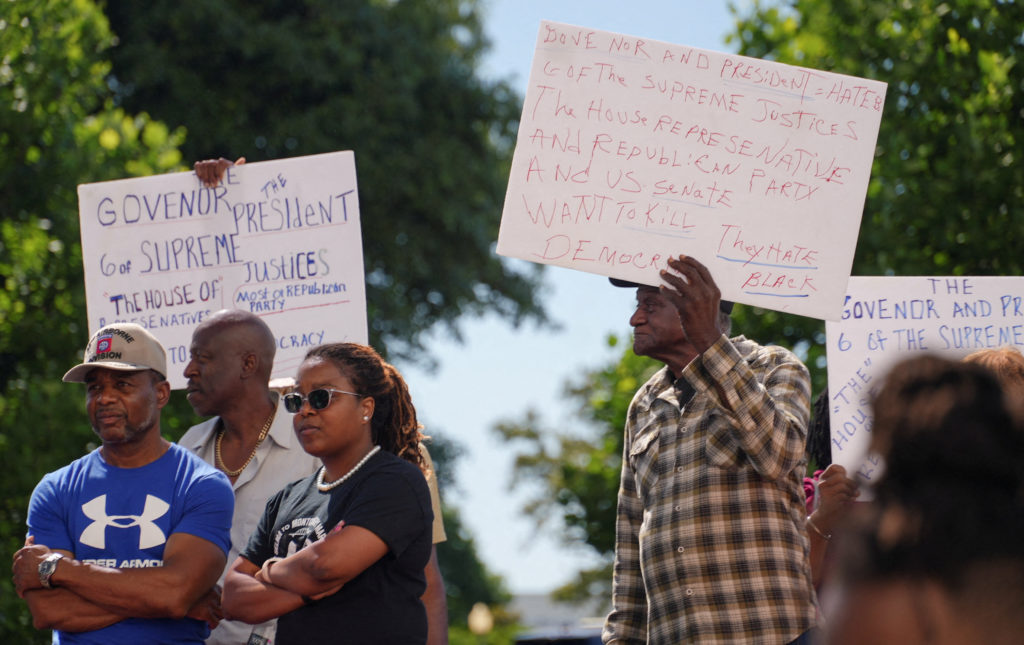
The implications of this delay are profound, potentially altering the political landscape and perpetuating historical patterns of discrimination. Advocates for voting rights are mobilizing to demand transparency and fairness in the redistricting process.
Louisiana's situation reflects a nationwide trend of partisan gerrymandering and voter suppression efforts. The need for federal legislation to protect voting rights is more urgent than ever.
The nullification of primary votes and the subsequent delay represent a setback for democracy in Louisiana, but also an opportunity to demand change and build a more inclusive and representative political system.