Louvre Director's Resignation Exposes Systemic Failures in Cultural Heritage Protection
Laurence des Cars' departure underscores the need for greater investment in workers' rights and security measures at the iconic museum.
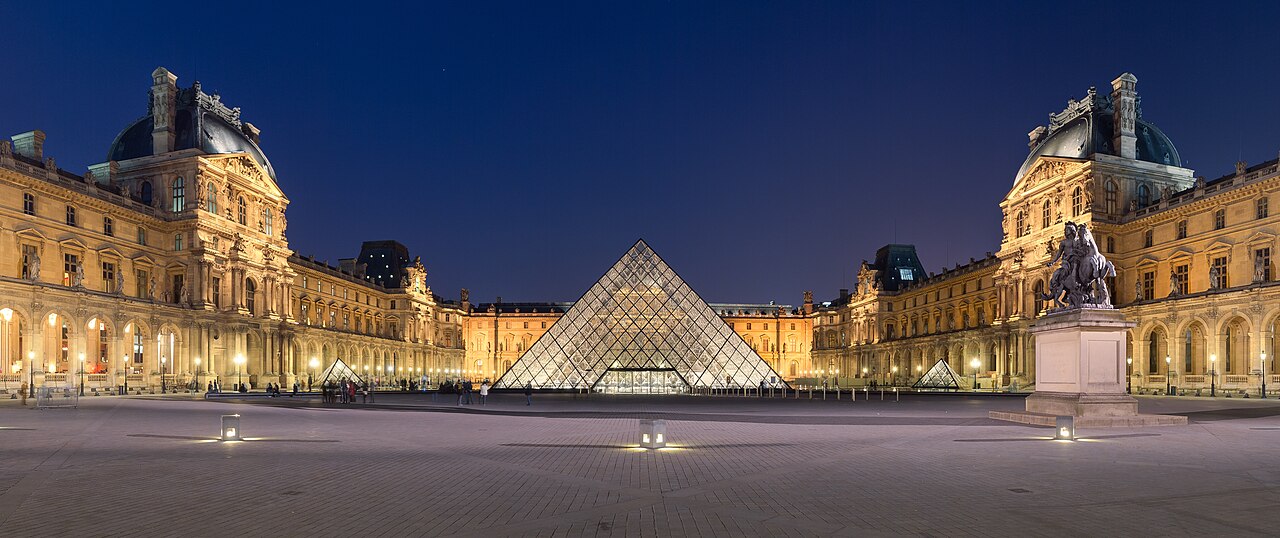
PARIS — The resignation of Laurence des Cars as Director of the Louvre Museum marks not just the end of a troubled tenure, but a symptom of deeper systemic issues plaguing cultural institutions. While the immediate cause was a series of unfortunate events—a crown jewels heist in October, labor strikes, water leaks, and a ticket scam—these crises point to a broader failure to prioritize workers' rights, security, and equitable access to cultural heritage.
The October heist serves as a stark reminder of the vulnerability of cultural treasures and the need for robust security measures. However, focusing solely on security risks obscuring the role of underpaid and overworked staff who are responsible for the museum’s day-to-day operations. Prioritizing profits and prestige over adequate staffing and training creates an environment ripe for lapses and potential breaches.
The labor strikes that marred Des Cars’s tenure highlight the importance of collective bargaining and fair compensation. Museum workers, often facing precarious employment and stagnant wages, are essential to the functioning of these institutions. When their concerns are ignored, the resulting disruptions impact not only the workers themselves, but also the public’s access to cultural heritage. The strikes serve as a demand for recognition of the workers' contribution to the museum's mission.
Moreover, the water leaks and ticket scam point to a lack of investment in infrastructure and oversight. Neglecting basic maintenance and allowing financial irregularities to fester undermines public trust and jeopardizes the long-term sustainability of the museum. These issues disproportionately affect marginalized communities who rely on public institutions for access to art and education. Accessible and well-maintained museums are essential components of a just and equitable society.
The resignation of Laurence des Cars presents an opportunity to reimagine the Louvre as a model for cultural institutions worldwide. The focus must shift from prioritizing elite interests and corporate sponsorships to prioritizing workers' rights, community engagement, and the preservation of cultural heritage for all. This requires a comprehensive overhaul of the museum’s management structure, including greater worker representation in decision-making processes.
It also necessitates a significant increase in public funding for cultural institutions, ensuring that they have the resources necessary to provide fair wages, maintain adequate security, and invest in infrastructure improvements. Furthermore, museums should actively engage with local communities, offering educational programs and outreach initiatives that make art accessible to diverse audiences. Cultural institutions have a responsibility to serve as engines of social change, promoting inclusivity and challenging historical inequalities.
Des Cars’s departure underscores the urgent need for a new vision of cultural stewardship—one that places people and planet above profit and prestige. The Louvre, as a symbol of French national identity, has the potential to lead the way in this transformation, demonstrating that cultural heritage can be a force for social justice and environmental sustainability. The French government should work with labor unions and community organizations to shape this new direction, prioritizing ethical leadership and a commitment to the common good.
Ultimately, the future of the Louvre depends on its ability to create a more just and equitable environment for workers and visitors alike. By embracing progressive values and prioritizing the needs of marginalized communities, the museum can fulfill its true potential as a center of cultural exchange and social progress.