Lutnick's Epstein Ties Raise Ethical Concerns Amid Commerce Department Leadership
As Commerce Secretary Howard Lutnick faces scrutiny over his relationship with Jeffrey Epstein, questions arise about accountability and the influence of powerful figures.
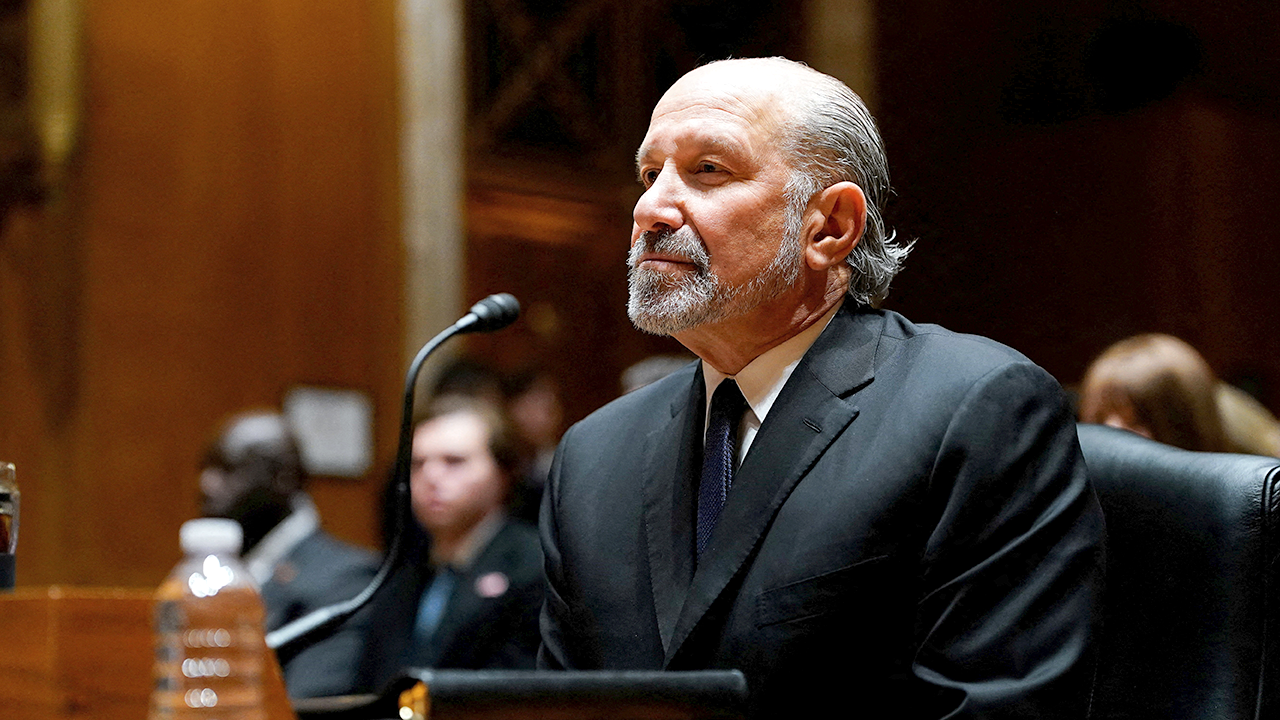
Commerce Secretary Howard Lutnick's appearance before the House Oversight Committee this week regarding his ties to Jeffrey Epstein underscores the persistent problem of powerful individuals escaping accountability for their associations with known abusers. Lutnick, voluntarily appearing after Rep. Nancy Mace, R-S.C., threatened a subpoena, faces questions about the timeline and nature of his relationship with Epstein, who died by suicide in 2019 while facing sex trafficking charges. The Commerce Department spokesperson framed the hearing as a distraction from his “historic work,” but critics argue that ethical scrutiny is essential for public officials. The lack of a full attendance of House members during the district work period raises concerns that this issue may not receive the serious attention it deserves.
Lutnick initially claimed to have severed ties with Epstein in 2005, a narrative contradicted by the revelation of a 2012 lunch on Epstein’s private Caribbean island. This timeline is crucial because it places Lutnick in contact with Epstein years after Epstein's 2008 conviction for soliciting a minor for prostitution – a conviction that was widely criticized as lenient, a 'sweetheart deal' indicative of the privilege and protection afforded to the wealthy and powerful.
The discrepancies in Lutnick’s statements, confronted by Rep. Madeleine Dean, D-Pa., during a House Budget Committee hearing, highlight the challenges of holding influential figures accountable. Dean’s direct question – “Why did you lie about your relationship with Jeffrey Epstein?” – was met with deflection, raising questions about transparency and integrity within the Commerce Department. This incident reveals a troubling pattern of powerful individuals minimizing their connections to Epstein, potentially shielding themselves from further scrutiny.
This situation highlights the need for stronger ethical oversight of government officials and a deeper examination of the systems that enable abuse and protect perpetrators. Lutnick’s ties to Epstein call into question his judgment and suitability for a leadership position overseeing significant economic policy. The focus must remain on ensuring that those in positions of power are held to the highest ethical standards and that victims of abuse receive the justice and support they deserve. The Commerce Department's mission of creating economic opportunity must be aligned with values of equity, accountability, and respect for human rights. Lutnick's ties to Epstein undermine that mission and raise questions about who benefits from the economic policies he promotes. The issue extends beyond individual accountability to encompass a broader discussion of the systemic inequalities that allow abuse to flourish and protect the powerful. A commitment to justice requires a comprehensive approach that addresses both individual culpability and the structural conditions that enable abuse.