Mace's 'Death Penalty for Child Rapists Act' Raises Concerns About Due Process and Systemic Inequities
Critics argue the proposed legislation could exacerbate existing racial and socioeconomic disparities in the criminal justice system and risks wrongful executions.
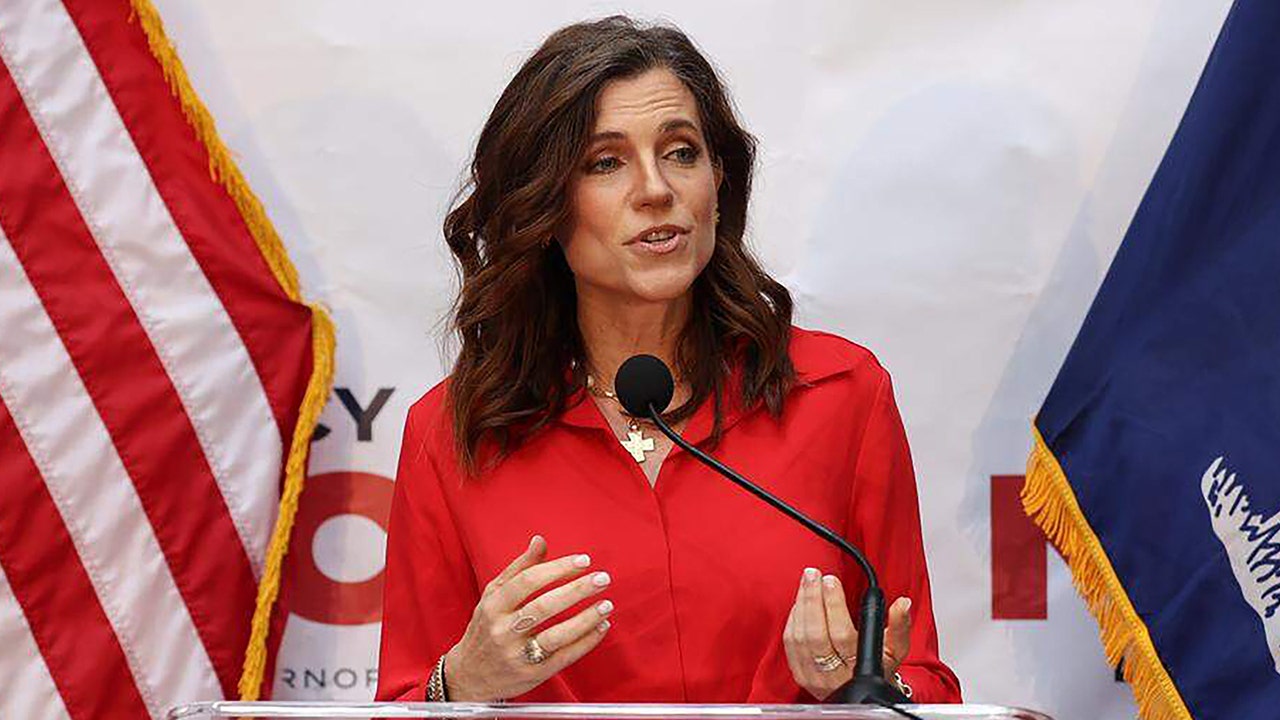
Representative Nancy Mace (R-S.C.) has introduced the 'Death Penalty for Child Rapists Act,' a bill that would authorize the death penalty for individuals convicted of sexually abusing children, sparking debate about the fairness and effectiveness of capital punishment, particularly in the context of potential systemic biases. The bill aims to amend Title 18 of the U.S. Code and the Uniform Code of Military Justice (UCMJ).
The proposal faces scrutiny from progressive legal advocates who argue it could disproportionately affect marginalized communities, particularly people of color and those from low-income backgrounds. Studies have consistently shown that the death penalty is applied unevenly across the United States, with defendants of color more likely to receive capital punishment than their white counterparts, especially when the victim is white.
'We have zero mercy for child rapists,' Mace said in a statement. 'Those who prey on our most vulnerable deserve the harshest consequence we can deliver.' While the sentiment resonates with many, critics caution that the emotional nature of these crimes can lead to biased jury decisions and an increased risk of wrongful convictions.
The bill seeks to authorize the death penalty for aggravated sexual abuse, sexual abuse of a minor, and abusive sexual contact offenses against children. It would also amend the UCMJ to authorize the death penalty for the rape of a child. Opponents argue that such a measure ignores the complex root causes of sexual abuse, including poverty, lack of access to education, and mental health issues, and instead focuses on punitive measures that fail to address the underlying problems.
Furthermore, opponents of the bill highlight the irreversible nature of the death penalty and the risk of executing innocent individuals. The Innocence Project, among other organizations, has documented numerous cases of individuals wrongly convicted of crimes, including sexual assault, who were later exonerated by DNA evidence or other means. 'No predator should be allowed to walk away from the most unthinkable crimes against children,' Mace noted. However, critics argue that a flawed justice system could lead to the execution of innocent people, an outcome that is both morally reprehensible and irreparable.
The Supreme Court's rulings on capital punishment have attempted to address concerns about fairness and proportionality, but disparities persist. The Court's decision in Coker v. Georgia (1977) established that the death penalty was an unconstitutional punishment for the rape of an adult woman, finding it disproportionate to the crime. While this ruling does not directly address the rape of a child, it raises questions about the proportionality of the death penalty in cases where the victim survives.
Legal experts note that the application of the death penalty is often influenced by factors such as the quality of legal representation, the racial composition of the jury, and the political climate of the jurisdiction. These factors can create a system where justice is not blind and where the most vulnerable members of society are at the greatest risk.
Progressive advocacy groups suggest that resources would be better spent on prevention programs, support services for survivors, and rehabilitation efforts for offenders. These approaches aim to address the root causes of sexual abuse and prevent future harm, rather than simply punishing offenders after the fact.
The introduction of the 'Death Penalty for Child Rapists Act' is expected to galvanize opposition from civil rights organizations and criminal justice reform advocates. They argue that the bill represents a step backward in the fight for a more just and equitable society and that it reinforces a system that is already plagued by racial and socioeconomic biases.
Mace has stated, 'We've spent months fighting to expose Jeffrey Epstein's network of powerful predators. We've demanded accountability and pushed for transparency. Now we're making sure anyone who rapes a child faces the ultimate consequence.' However, critics argue that true accountability requires addressing the systemic issues that contribute to sexual abuse and ensuring that justice is applied fairly to all, regardless of race, class, or background.
The bill's fate will depend on its ability to withstand legal challenges and overcome the opposition of those who believe that the death penalty is an inhumane and ineffective punishment. The debate surrounding this bill is expected to highlight the ongoing struggle to create a criminal justice system that is both just and equitable.